Huade CNC

Calculating CNC machining prices guide from Huade

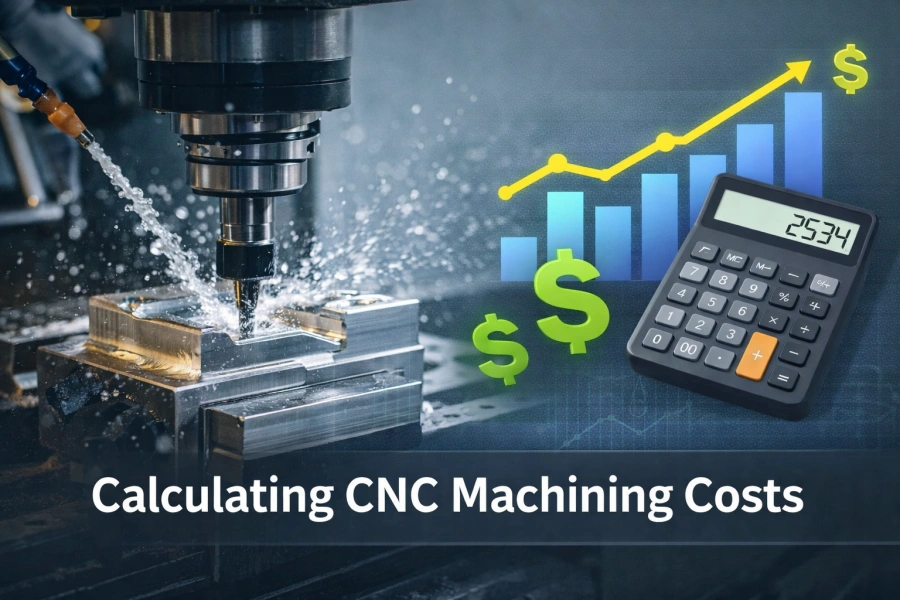
How to Calculate CNC Machining Prices: A Complete Guide to CNC Machining Costs by Part Size

Analysis of China’s CNC Machining Price Trends in 2026 CNC machining prices remain one of the most variable costs in manufacturing. Unlike stamping or injection molding, where per-part costs stabilize after tooling investment, CNC machining pricing fluctuates based on geometry complexity, material selection, tolerance requirements, and—most significantly—part size and machine occupancy time. This guide explains […]

How to Calculate CNC Machining Prices: A Complete Guide to CNC Machining Costs by Part Size Read More »

bronze vs copper CNC machined parts side-by-side comparison highlighting the brownish bronze and reddish-orange copper color difference

Bronze vs Copper: Key Differences for Durable Manufacturing Applications

In high-stakes CNC machining projects where reliability under stress is paramount, distinguishing bronze vs copper (or copper vs bronze) can determine component longevity and performance. Bronze, an alloy blending copper with tin and sometimes other elements, delivers amplified hardness and resistance to wear, outshining pure copper in environments prone to abrasion or environmental attack. This

Bronze vs Copper: Key Differences for Durable Manufacturing Applications Read More »

Featured image of CNC machined acetal POM parts white plastic components for precision engineering

Machining Acetal, ABS, HDPE, and Tool Steel: Best Practices for Chip Control, Heat Management, and Tool Coatings

In precision CNC machining, machining acetal stands out as one of the most reliable and dimensionally stable engineering plastics, but it requires expert strategies for chip control, heat management, and tool coatings to avoid melting or stringy chips. Similar challenges arise in machining ABS (gummy and heat-sensitive) and machining tool steel (high-heat and abrasive), while

Machining Acetal, ABS, HDPE, and Tool Steel: Best Practices for Chip Control, Heat Management, and Tool Coatings Read More »

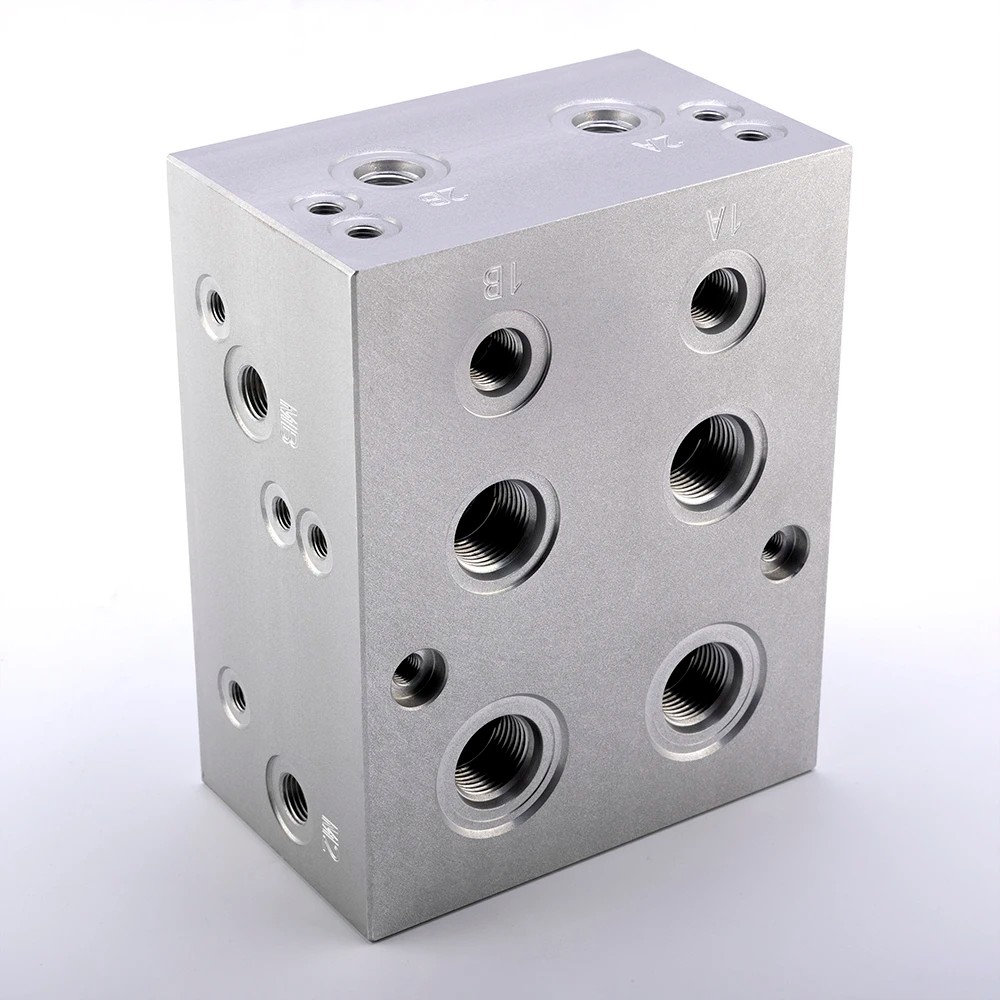
CNC machined aluminum hydraulic manifold block components

Manifold Blocks by Media: Practical CNC Machining Guide for Real-World Failure Modes

When you receive a manifold block drawing, it often looks straightforward: ports, cross-drilled passages, seal faces, and threads. Yet field performance varies dramatically even when dimensions meet specifications. The most reliable way to avoid repeat failures? One simple rule: the media defines the failure mode. What you must control for a pneumatic manifold block differs

Manifold Blocks by Media: Practical CNC Machining Guide for Real-World Failure Modes Read More »

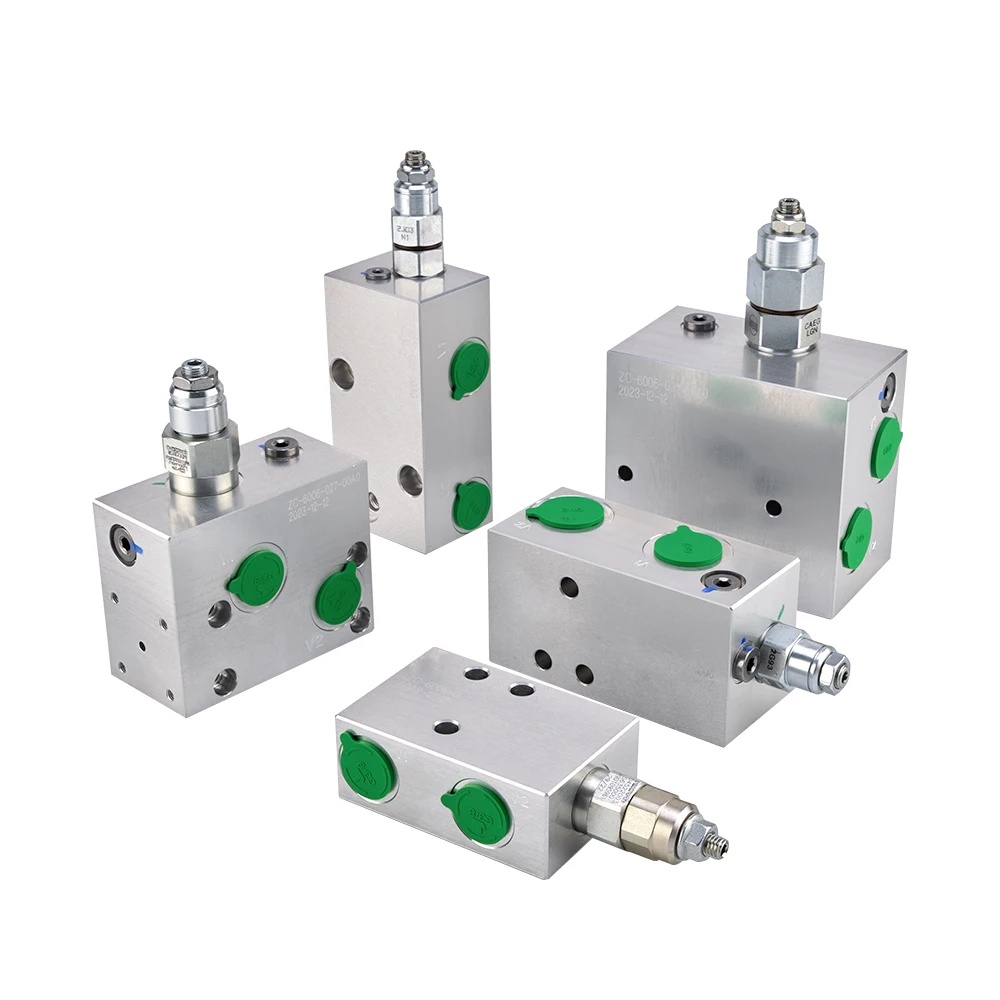
CNC machining hydraulic valve manifold blocks with multi-port routing and threaded ports

Hydraulic Valve Manifold Block Machining Playbook: CAM, Tooling, and Long-Run Cost Optimization

Hydraulic Valve Manifold Block Machining A hydraulic valve manifold block is a functional interface—not just a drilled block.Ports, threads, cross-drilled passages, and sealing faces must stay consistent over long runs. Production Machining Playbook This is a production playbook: material behavior → CAM programming → tool selection → burr control → process stability → cost optimization.The

Hydraulic Valve Manifold Block Machining Playbook: CAM, Tooling, and Long-Run Cost Optimization Read More »

CNC machined hydraulic manifold blocks with precision ports and sealing surfaces

Hydraulic Manifold Block Checklist: Ports, Seals, Deburring & Inspection

A hydraulic manifold block can look perfect on the outside and still cause headaches in the field. Most problems don’t come from one obvious mistake. They come from small, avoidable gaps in design intent and manufacturing control—unclear thread standards, sealing faces treated like “general machining,” burrs hiding at cross-drilled intersections, or chips left inside passages.

Hydraulic Manifold Block Checklist: Ports, Seals, Deburring & Inspection Read More »

Precision CNC machined aluminum aircraft structural components and UAV parts by Huade Precision

What Is a CNC Milling Machine? Basics, How It Works, and Industrial Applications

A CNC milling machine is a computer-controlled machine tool used to precisely remove material from a workpiece to create custom parts and components. It’s one of the most versatile and widely used technologies in modern manufacturing—capable of machining metals, plastics, composites, and more with high accuracy, repeatability, and efficiency. Unlike manual milling machines, CNC (Computerized

What Is a CNC Milling Machine? Basics, How It Works, and Industrial Applications Read More »

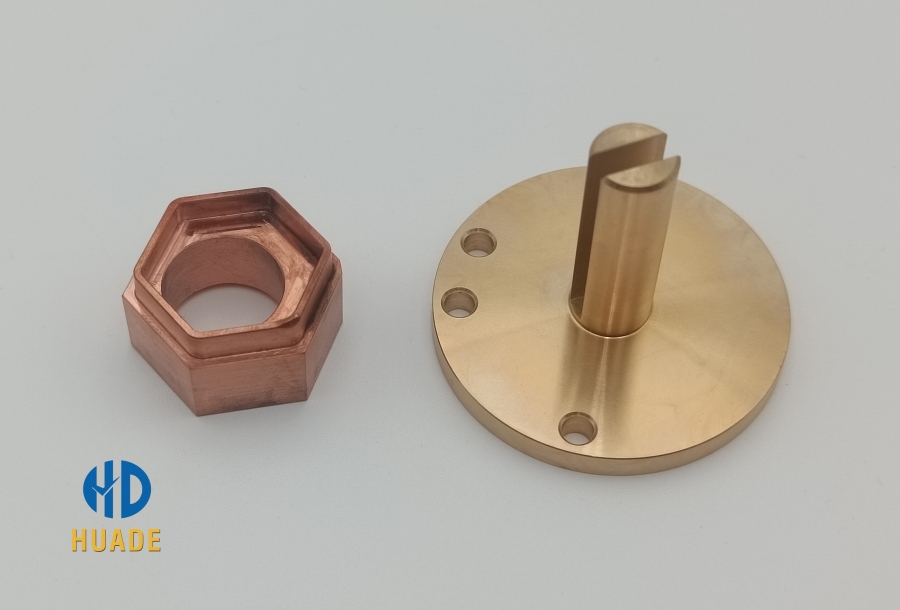
Brass vs copper CNC machined parts comparison: copper hexagonal component (left, reddish) and brass precision flange (right, golden-yellow) by Dongguan Huade Precision Manufacturing Co., Ltd.

Brass vs Copper in CNC Machining: Which Metal Wins for Precision Parts?

In the realm of CNC machining, the debate between brass vs copper (and conversely, copper vs brass) is a frequent one among designers, engineers, and manufacturers. These two metals, both derived from copper-based materials, offer distinct properties that can make or break the success of precision parts. Factors like price, color, conductivity, machinability, and specific

Brass vs Copper in CNC Machining: Which Metal Wins for Precision Parts? Read More »

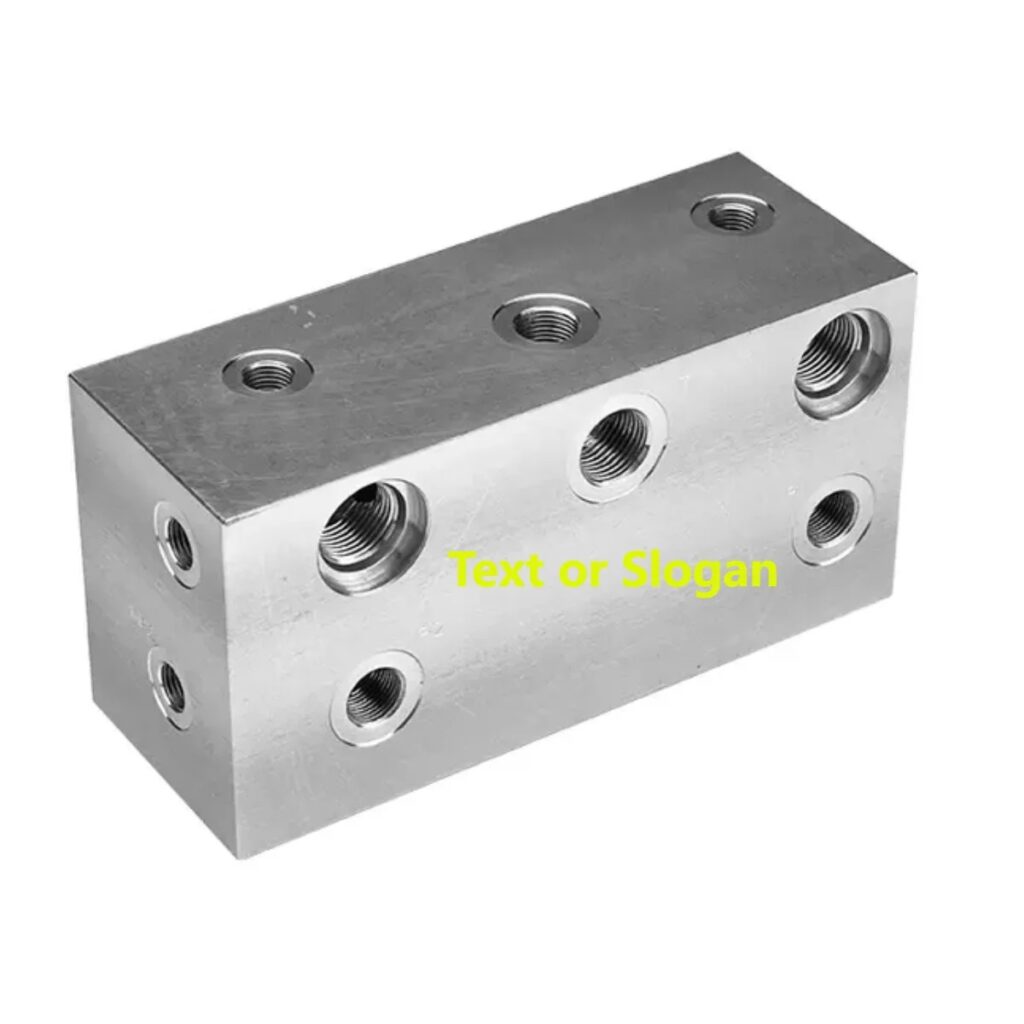
Precision stainless steel manifold block CNC machining by Huade

Manifold Block Machining: CNC Guide for Hydraulic, Pneumatic, Air & Vacuum Systems

A manifold block looks simple—just a rectangular block with ports and drilled passages. In reality, it’s a pressure-bearing “traffic controller” for fluid, air, vacuum, or grease. When it’s machined well, systems run clean, stable, and leak-free. When it’s machined poorly, the symptoms can be brutal: mysterious pressure loss, intermittent valve behavior, contamination, and the kind

Manifold Block Machining: CNC Guide for Hydraulic, Pneumatic, Air & Vacuum Systems Read More »

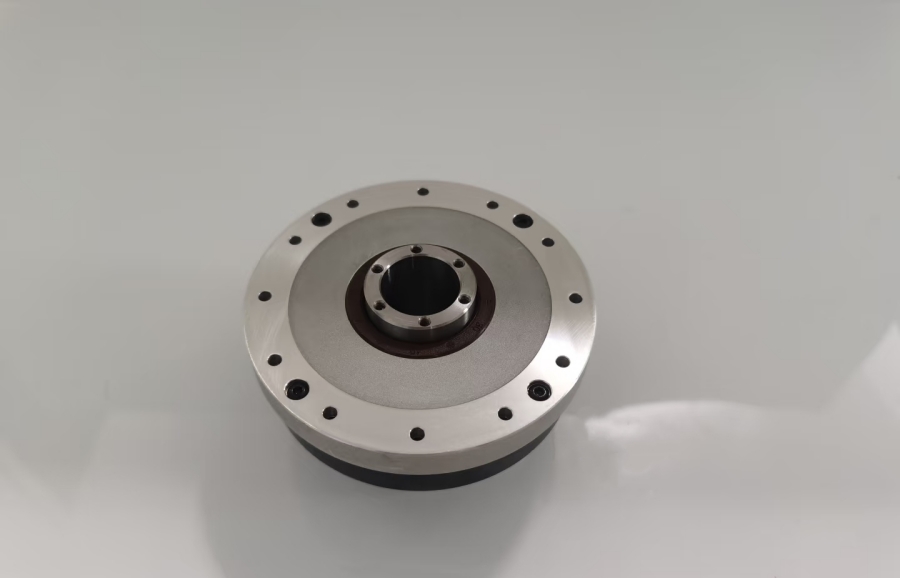
CNC machined humanoid robot joint flange with precision bolt pattern and center bore

CNC Machining for Humanoid Robots: Why Precision Is the Antidote to Joint Jitter

Let’s be honest—when a humanoid robot jitters in a static pose, most teams blame software first.But in CNC machining for humanoid robots, tiny datum and fit errors can create friction ripple and micro-backlash that no controller can fully hide. You’ve tuned the torque loop, refined the PID gains, and validated your motion in simulation. Then

CNC Machining for Humanoid Robots: Why Precision Is the Antidote to Joint Jitter Read More »