Huade CNC

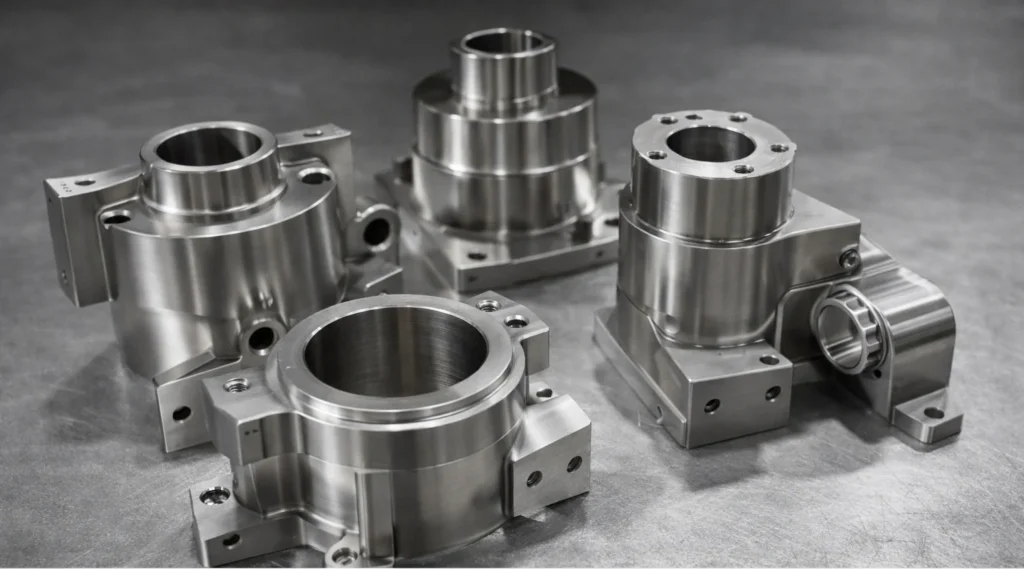
precision titanium cnc machined aerospace components

Titanium CNC Machining for Aerospace: Materials, Challenges and Precision Manufacturing

Modern aerospace engineering relies on materials that combine extreme strength, lightweight structures, and high temperature resistance. These demanding performance requirements mean that manufacturing aerospace components is significantly more complex than producing conventional industrial parts. Among the various materials used in aircraft structures and propulsion systems, titanium CNC machining plays a critical role in enabling the […]

Titanium CNC Machining for Aerospace: Materials, Challenges and Precision Manufacturing Read More »
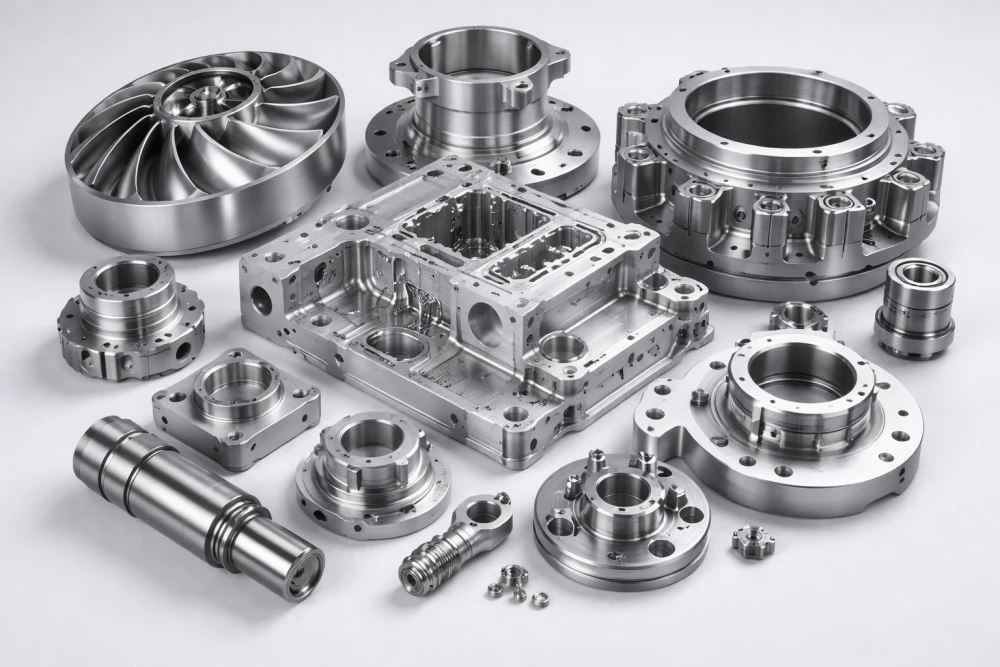
precision machining for the aerospace industry producing complex aerospace components

Precision Machining for the Aerospace Industry: Tolerance Control and High-Accuracy Manufacturing

Precision machining for the aerospace industry is essential in one of the most technically demanding manufacturing environments in modern engineering. Aircraft structures, propulsion systems, and satellite assemblies rely on precision-engineered components that must operate reliably under extreme mechanical loads, temperature fluctuations, vibration, and pressure variations. Because aerospace systems require extremely high reliability and safety standards,

Precision Machining for the Aerospace Industry: Tolerance Control and High-Accuracy Manufacturing Read More »

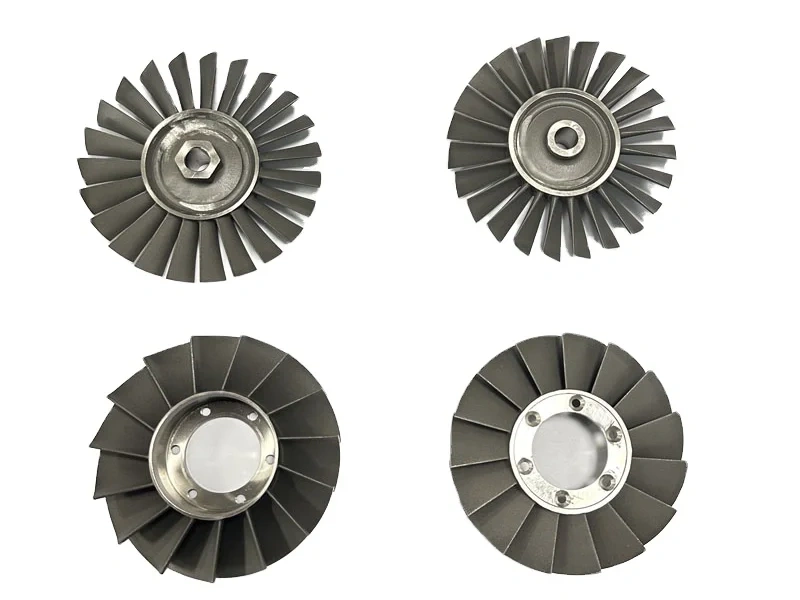
Aerospace CNC machining — precision machined titanium turbine fan blades and rotor assemblies for aerospace propulsion components

Aerospace CNC Machining: Precision Manufacturing for Aerospace Components

In today’s aerospace industry, where the margin between success and catastrophic failure can be measured in microns, aerospace CNC machining stands as the cornerstone of reliable component production. Computer Numerical Control (CNC) machining has fundamentally transformed how aerospace engineers and manufacturers approach the challenge of producing parts that must perform flawlessly under extreme thermal, mechanical,

Aerospace CNC Machining: Precision Manufacturing for Aerospace Components Read More »

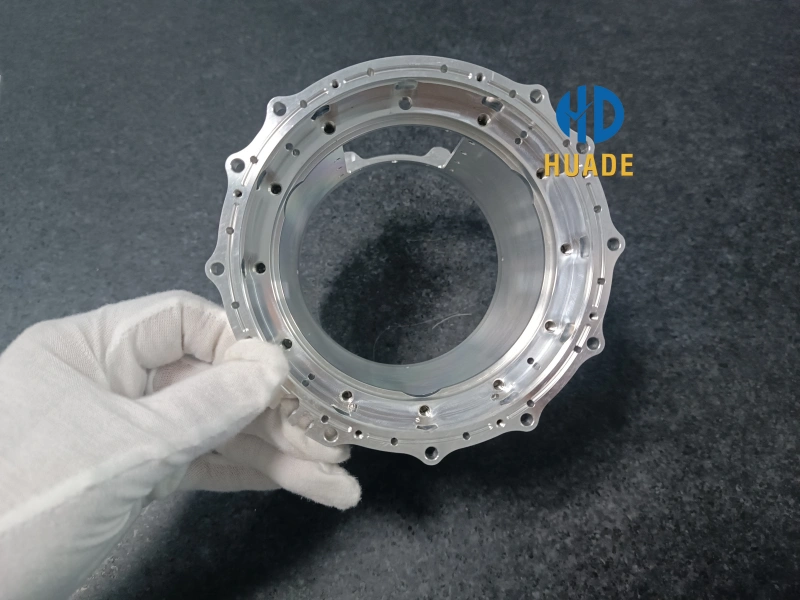
Front view of a CNC machined forged aluminum housing component with high-precision mounting holes and smooth surface finish at Dongguan Huade.

Beyond the Casting: Why Forged Aluminum Parts are the Backbone of High-Performance Engineering

The sound of a failing prototype is something an engineer never forgets. It’s not just a break; it’s a sharp, echoing crack that reverberates through the mechanical testing lab. A few years ago, we were running a dynamic load test on a new suspension control arm. The customer had originally opted for a high-end cast

Beyond the Casting: Why Forged Aluminum Parts are the Backbone of High-Performance Engineering Read More »

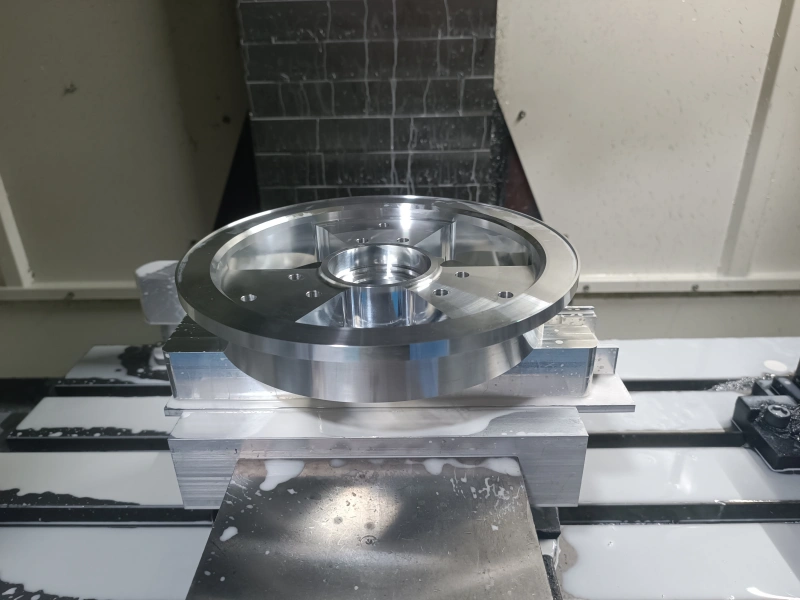
custom jaws CNC workholding fixtures for precision machining parts

CNC Workholding Secrets: How It Defines Precision Part Quality

When engineers and buyers search for CNC machining partners in China, they usually ask about machine specs, tolerances, or material capabilities. But there’s one factor most people overlook until it causes problems: CNC workholding. Precision workholding fixtures in our workshop, designed for stable clamping of complex-shaped parts Modular and magnetic-style workholding fixtures, supporting ferrous parts

CNC Workholding Secrets: How It Defines Precision Part Quality Read More »

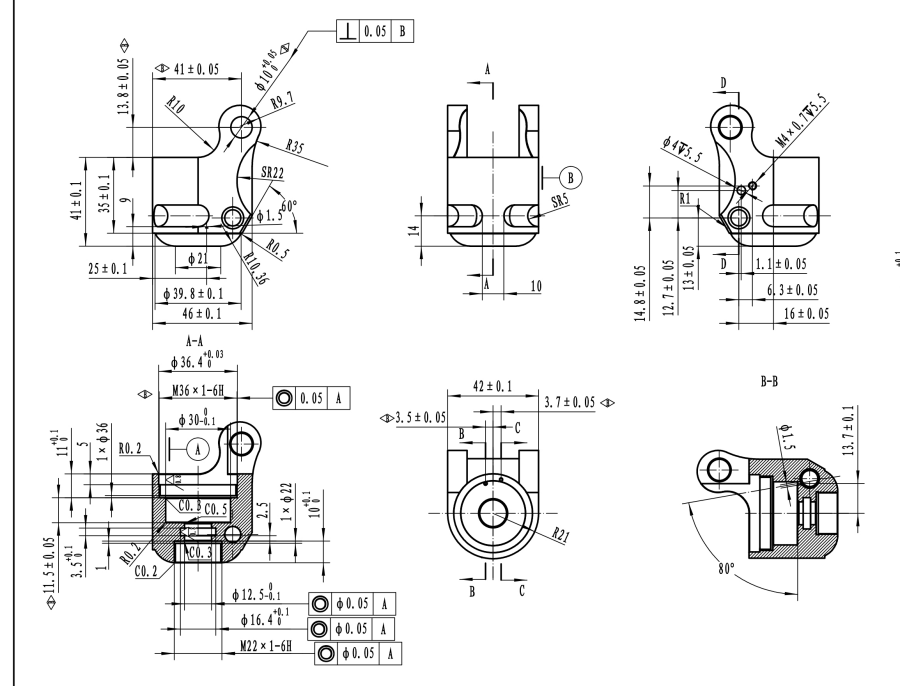
machining blueprint symbols example drawing with GD&T and dimensional callouts

Machining Blueprint Symbols: Complete Guide to CNC Blueprint Symbols, Spec Drawings, and Meanings

Machining blueprint symbols—also called CNC blueprint symbols, blueprint machining symbols, or machine blueprint symbols—form the core language of engineering drawings. Whether you are reviewing a spec drawing, preparing a CNC project, or communicating manufacturing requirements to a supplier, these standardized symbols ensure accuracy, consistency, and clear engineering intent. At Dongguan Huade Precision Manufacturing Co., Ltd.

Machining Blueprint Symbols: Complete Guide to CNC Blueprint Symbols, Spec Drawings, and Meanings Read More »

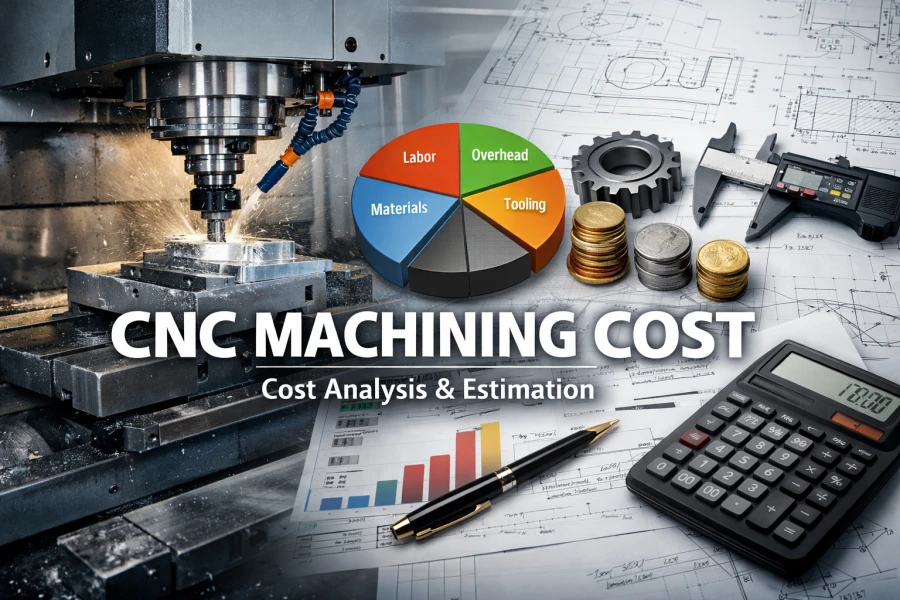
CNC machining cost analysis image showing machine cutting metal, cost breakdown chart, digital caliper, coins, and calculator on engineering drawings.

CNC Machining Cost: Complete Cost Modeling Framework and Calculation Guide

Introduction: Why CNC Machining Cost Remains Difficult to Predict Understanding CNC machining cost is essential for accurate budgeting, smart design decisions, and choosing the right manufacturing partner. Yet many engineers and buyers struggle with cost prediction because CNC machining does not follow a fixed-pricing model—every part has unique geometry, tolerances, materials, and machining requirements that

CNC Machining Cost: Complete Cost Modeling Framework and Calculation Guide Read More »

Small-batch CNC machined aluminum and brass parts neatly arranged on a white background, showing finished components for different applications.

How to Calculate CNC Machining Prices: A Complete Guide to CNC Machining Costs by Part Size

Analysis of China’s CNC Machining Price Trends in 2026 CNC machining prices remain one of the most variable costs in manufacturing. Unlike stamping or injection molding, where per-part costs stabilize after tooling investment, CNC machining pricing fluctuates based on geometry complexity, material selection, tolerance requirements, and—most significantly—part size and machine occupancy time. This guide explains

How to Calculate CNC Machining Prices: A Complete Guide to CNC Machining Costs by Part Size Read More »

bronze vs copper CNC machined parts side-by-side comparison highlighting the brownish bronze and reddish-orange copper color difference

Bronze vs Copper: Key Differences for Durable Manufacturing Applications

In high-stakes CNC machining projects where reliability under stress is paramount, distinguishing bronze vs copper (or copper vs bronze) can determine component longevity and performance. Bronze, an alloy blending copper with tin and sometimes other elements, delivers amplified hardness and resistance to wear, outshining pure copper in environments prone to abrasion or environmental attack. This

Bronze vs Copper: Key Differences for Durable Manufacturing Applications Read More »

Featured image of CNC machined acetal POM parts white plastic components for precision engineering

Machining Acetal, ABS, HDPE, and Tool Steel: Best Practices for Chip Control, Heat Management, and Tool Coatings

In precision CNC machining, machining acetal stands out as one of the most reliable and dimensionally stable engineering plastics, but it requires expert strategies for chip control, heat management, and tool coatings to avoid melting or stringy chips. Similar challenges arise in machining ABS (gummy and heat-sensitive) and machining tool steel (high-heat and abrasive), while

Machining Acetal, ABS, HDPE, and Tool Steel: Best Practices for Chip Control, Heat Management, and Tool Coatings Read More »