
In the world of CNC mold manufacturing, surface quality is more than just a visual concern—it’s a functional imperative. Whether producing injection molds for automotive components, consumer electronics, or medical devices, the final polish determines not only the appearance but also the performance and longevity of the mold. This blog explores the essential techniques and considerations behind polish mold processes, offering insights into achieving high-quality finishes through effective polishing methods.
Understanding the Role of Mold Polishing
Polishing molds is a critical step in the mold-making process. It’s not merely about aesthetics; it directly influences mold release, part quality, and production efficiency. A well-executed polishing process minimizes surface defects, reduces friction, and ensures consistent part replication. In CNC mold manufacturing, where precision is paramount, finishing polishing becomes a defining factor in mold performance.
The Fundamentals of the Polishing Process
Before diving into specific techniques, it’s important to understand the stages involved in polishing molds. The process typically begins with pre-polishing preparation, which includes cleaning, inspection, and rough finishing. This sets the stage for more refined polishing steps that follow.
- Pre-Polishing Preparation Mold surfaces are cleaned to remove contaminants and inspected for defects. Any burrs or machining marks are addressed using coarse abrasives or grinding tools.
- Intermediate Polishing This stage involves using medium-grade abrasives to smooth out the surface further. It’s a transitional phase that bridges rough finishing and final polishing.
- Finishing Polishing The final step employs fine abrasives, polishing stones, or diamond paste to achieve the desired surface texture. Depending on the application, this could range from a matte finish to a mirror-like gloss.
Each phase of the polishing process must be executed with precision, as errors can compromise the mold’s integrity or lead to costly rework.
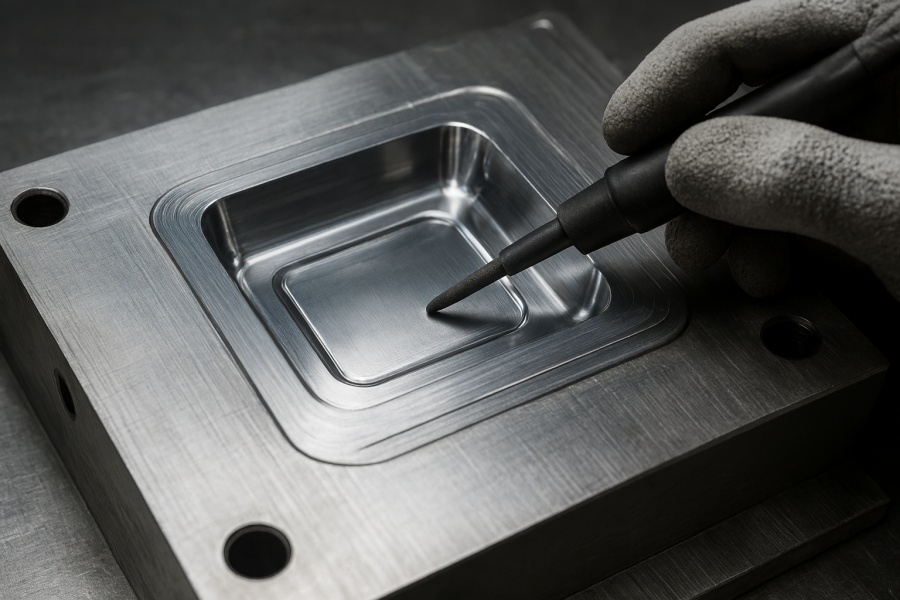
Techniques for Polish Mold Excellence
Several polishing techniques are employed in CNC mold manufacturing, each suited to different materials and finish requirements. Here’s a breakdown of the most commonly used methods:
- Mechanical Polishing This traditional method uses abrasive tools such as polishing stones, sandpaper, and rotary tools. It’s ideal for molds requiring a high-gloss finish and offers excellent control over surface texture.
- Chemical Polishing Involves the use of chemical solutions to dissolve surface irregularities. While less common in mold manufacturing, it’s useful for complex geometries where mechanical tools can’t reach.
- Ultrasonic Polishing This technique uses high-frequency vibrations to enhance the polishing effect of abrasives. It’s particularly effective for intricate mold cavities and hard-to-reach areas.
- Electrolytic Polishing A process where the mold is submerged in an electrolyte solution and subjected to an electric current. It removes microscopic peaks and valleys, resulting in a smooth, uniform finish.
- Fluid Polishing Also known as abrasive flow machining, this method forces a viscous, abrasive-laden fluid through the mold cavity. It’s ideal for internal surfaces and complex shapes.
Choosing the right polishing method depends on the mold material, geometry, and desired finish. Often, a combination of techniques yields the best results.
Surface Finish Standards and Their Impact
In CNC mold manufacturing, surface finish is often quantified using standards such as SPI (Society of the Plastics Industry) grades. These range from SPI A1 (mirror finish using diamond buffing) to SPI D3 (rough finish using 320 grit stone). Understanding these standards helps manufacturers align polishing finishing with client expectations and functional requirements.
A high-grade polish not only enhances the visual appeal of molded parts but also improves mold release, reduces wear, and extends mold life. For example, a mirror finish may be essential for optical components, while a matte finish might suffice for structural parts.
Challenges in Polishing Molds
Despite its importance, mold polishing presents several challenges:
- Material Hardness Harder materials like hardened steel require more effort and specialized abrasives to achieve a fine finish.
- Complex Geometries Intricate mold designs with deep cavities or undercuts can be difficult to polish uniformly.
- Consistency Achieving uniform polishing across the entire mold surface demands skill and attention to detail.
- Time and Cost Polishing is labor-intensive and time-consuming, which can impact production schedules and costs.
To overcome these challenges, manufacturers often invest in skilled technicians, advanced polishing equipment, and rigorous quality control protocols.
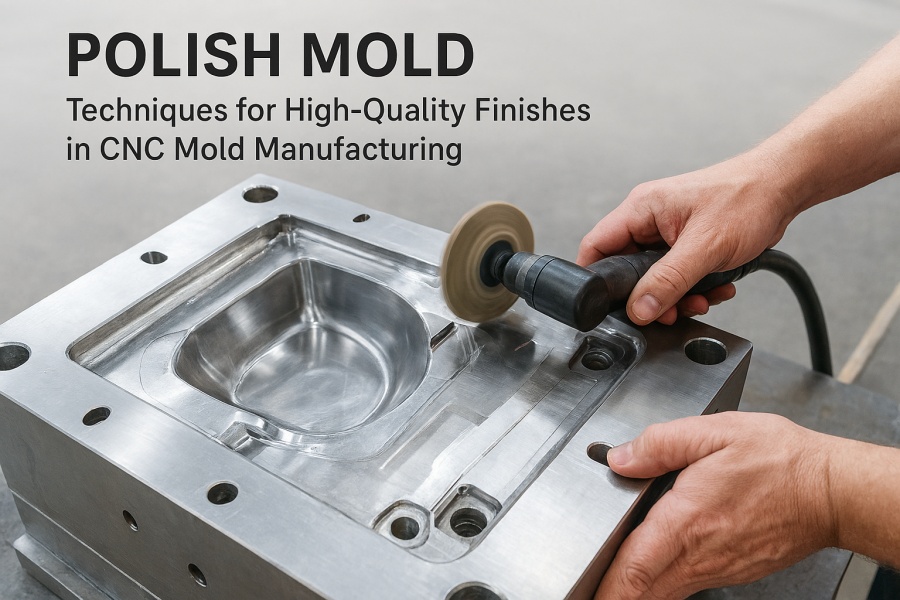
Innovations in Mold Polishing
The field of mold polishing is evolving with the integration of automation and digital technologies. CNC-controlled polishing tools, robotic arms, and real-time surface measurement systems are transforming how molds are finished. These innovations not only improve consistency but also reduce human error and enhance productivity.
Additionally, new abrasive materials and polishing compounds are being developed to cater to emerging mold materials and finish requirements. These advancements are pushing the boundaries of what’s possible in mold finishing polishing.
Best Practices for High-Quality Mold Finishing
To ensure optimal results in polish mold operations, consider the following best practices:
- Start with a Clean Surface Contaminants can interfere with polishing and cause defects. Always begin with thorough cleaning.
- Use the Right Tools Match abrasives and polishing compounds to the mold material and desired finish.
- Monitor Progress Regularly inspect the surface during polishing to avoid over-polishing or uneven finishes.
- Document the Process Keeping records of polishing parameters helps maintain consistency across production runs.
- Train Technicians Skilled labor remains essential. Invest in training to ensure technicians understand the nuances of polishing molds.
Conclusion
Polishing molds is a nuanced art that blends technical expertise with tactile precision. In CNC mold manufacturing, where tolerances are tight and expectations high, mastering the polishing process is key to delivering high-quality finishes. Whether through mechanical, ultrasonic, or fluid polishing, the goal remains the same: to create molds that perform flawlessly and produce parts that meet the highest standards.
By understanding the techniques, challenges, and innovations in mold polishing, manufacturers can elevate their production capabilities and stay competitive in a demanding market.
 English
 Deutsch
 Español
 Français
 Português do Brasil
 Italiano