
What Are Precision CNC Components? (And Why They Matter)
Defining Precision CNC Components
Precision CNC components are specialized parts manufactured with extreme dimensional accuracy. These components rely on computer numerical control (CNC) technology to achieve consistent results across batches.
Unlike standard parts, precision CNC components demand strict adherence to design specifications. Even minor deviations can compromise performance in critical applications like medical devices or aerospace equipment.
Key Differences Between Precision CNC Components and Regular Parts
Precision CNC components stand apart from basic machined parts in three core areas:
- Tolerance levels: Typically ±0.005mm or tighter for precision components
- Surface finish: Often requiring Ra 0.2μm or smoother surfaces
- Repeatability: Consistent accuracy across thousands of units
These factors make precision CNC components essential for industries where failure is not an option.
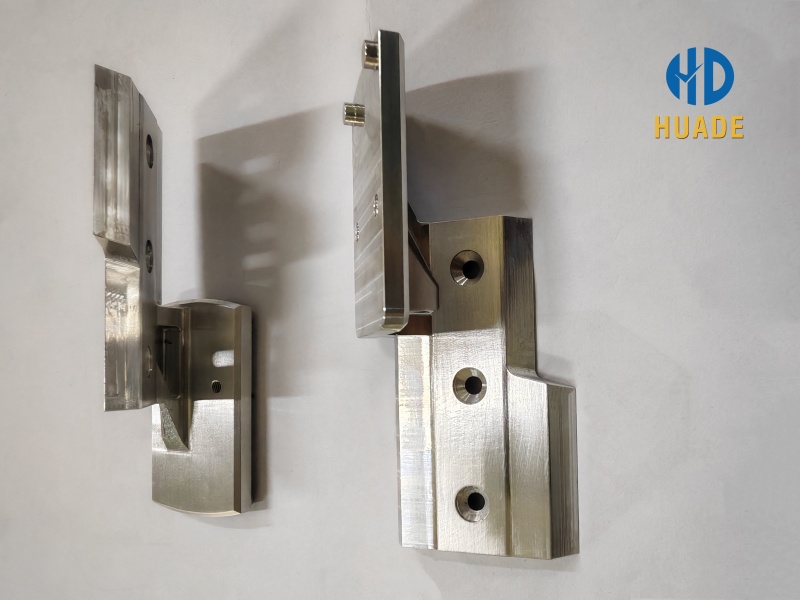
How to Achieve Excellence in Precision CNC Components Production
Selecting the Right Equipment for High Precision CNC
The foundation of quality precision CNC components lies in machine capability. High precision CNC machines require:
- Rigid bed structures with stress-relieved cast iron
- C3/C5 grade pre-stretched ball screws
- Ceramic or magnetic bearings in spindles
- Laser interferometer calibration systems
Regular maintenance is equally critical. Servo motors, guide rails, and spindles need quarterly inspections to prevent wear-related accuracy loss.
Tooling Strategies for Precision Machined Parts
Tool selection directly impacts precision CNC components quality. For optimal results:
- Use PCD or CBN tools for hard materials like titanium
- Apply TiAlN or DLC coatings to reduce wear
- Employ HSK tool holders for <3μm runout
- Implement offline tool presetting to eliminate machine downtime
Tool maintenance schedules should include weekly checks for wear and tear. Replacements are necessary at the first sign of degradation to protect precision.
Optimizing Parameters for Tight Tolerance CNC Machining Services
Parameter adjustment is a make-or-break factor for tight tolerance CNC machining services. Follow these guidelines:
- Match cutting speed to material: 1500+ RPM for aluminum, 300-500 RPM for titanium
- Use “high speed, light cut” strategy for finishing passes
- Implement thermal compensation for temperature fluctuations
- Adopt constant surface speed (G96) for turning operations
Real-time monitoring systems can detect parameter drift and trigger automatic adjustments, preserving precision.
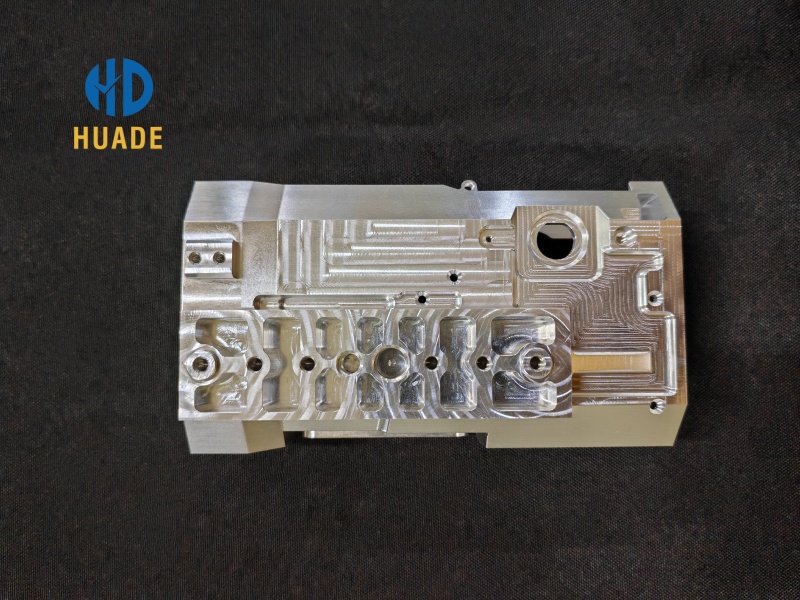
Precision Medical Machining: Critical Considerations for Healthcare Components
Meeting Medical Industry Standards for Precision CNC Components
Precision medical machining demands more than tight tolerances. Compliance requirements include:
- ISO 13485 certification for manufacturing processes
- Biocompatible materials (titanium, PEEK, 316L stainless steel)
- Particle-free surface finishing
- Full batch traceability from raw material to delivery
Implantable precision CNC components often require electropolishing or passivation to ensure tissue compatibility.
Tolerance Challenges in Precision Medical Machining
Medical applications push precision CNC components to their limits. Examples include:
- Orthopedic implants: ±0.002mm tolerance for joint surfaces
- Endoscopic parts: Micro-drilled holes <0.5mm diameter
- Surgical instruments: Razor-sharp edges with Ra 0.1μm finish
Achieving these specs requires 5-axis machines with in-process probing systems.
CNC Precision Turning Components: Best Practices
Core Techniques for CNC Precision Turning Components
CNC precision turning components rely on specialized processes:
- Single-setup machining to eliminate alignment errors
- Steady rests for long, thin workpieces
- Live tooling for complex features (drilling, milling)
- Thread rolling for stronger, more precise threads
Thermal stabilization of the turning environment is critical—even 1°C temperature shifts can affect dimensions.
Material-Specific Strategies for CNC Precision Turning Components
Different materials demand tailored approaches for CNC precision turning components:
- Aluminum: High-speed turning (2000+ RPM) with carbide tools
- Stainless steel: Coolant-through tools to prevent work hardening
- Titanium: Low-speed, high-feed rates with PCD inserts
- Plastics: Sharp tools with polished flutes to avoid chipping
These strategies ensure both precision and efficient material removal.
Common FAQs About Precision CNC Components
How Can I Verify Precision of CNC Machined Parts?
Use a combination of inspection tools:
- Calipers for basic dimensional checks
- Micrometers for sub-millimeter measurements
- Optical comparators for geometric features
- Coordinate Measuring Machines (CMM) for comprehensive analysis
In-process probing systems can catch errors before parts are completed.
What Causes Tolerance Deviations in Precision CNC Components?
Top culprits include:
- Machine tool wear (spindle bearings, guide rails)
- Temperature fluctuations in the shop
- Tool deflection from excessive cutting forces
- Inadequate fixturing leading to part movement
Preventive maintenance and environmental controls mitigate these issues.
How to Choose Tight Tolerance CNC Machining Services
Evaluate potential suppliers on:
- Machine calibration records (laser interferometer reports)
- Quality control processes (AQL standards, inspection protocols)
- Industry-specific experience (medical, aerospace)
- Lead time flexibility for both prototypes and production
Request sample parts with CMM reports to verify capabilities.
Choosing the Right Partner for Precision CNC Components
When selecting a manufacturer for precision CNC components, look for:
- Investment in latest high precision CNC equipment
- Specialized expertise in your industry (medical, automotive, etc.)
- Transparent quality control documentation
- Ability to scale from prototyping to mass production
Dongguan Huade Precision Manufacturing Co., Ltd. integrates these elements, offering tight tolerance CNC machining services across medical and industrial sectors. Their 5-axis capabilities and ISO 13485 certification make them a reliable partner for critical precision CNC components.
Conclusion: Investing in Quality Precision CNC Components
Precision CNC components are the backbone of modern manufacturing. Achieving consistent quality requires attention to equipment, tooling, processes, and environment.
Whether you need CNC precision turning components or complex medical parts, focusing on these fundamentals will drive better performance and reliability. By partnering with experienced providers of tight tolerance cnc machining services, you ensure your precision machined parts meet the highest standards.
Remember: In precision manufacturing, the difference between success and failure often measures in microns. Choose your processes and partners accordingly.
Ready to Discuss Your Precision CNC Components Needs?
If you’re navigating challenges with precision machined parts—whether it’s meeting tight tolerances for industrial equipment, complying with precision medical machining standards, or optimizing CNC precision turning components—you don’t have to do it alone.
At Dongguan Huade Precision Manufacturing Co., Ltd., we offer free initial consultations to review your design specifications, provide material selection guidance, and share how our high precision CNC capabilities can solve your unique challenges. We also provide sample evaluations with detailed CMM reports, so you can verify the quality of our precision CNC components before full production.
Whether you need a prototype or large-scale production, our team is ready to support your project from concept to delivery. Reach out through our website contact form, email, or phone to start a conversation about your precision CNC components requirements today.
 English
 Deutsch
 Español
 Français
 Português do Brasil
 Italiano