CNC Machined Components

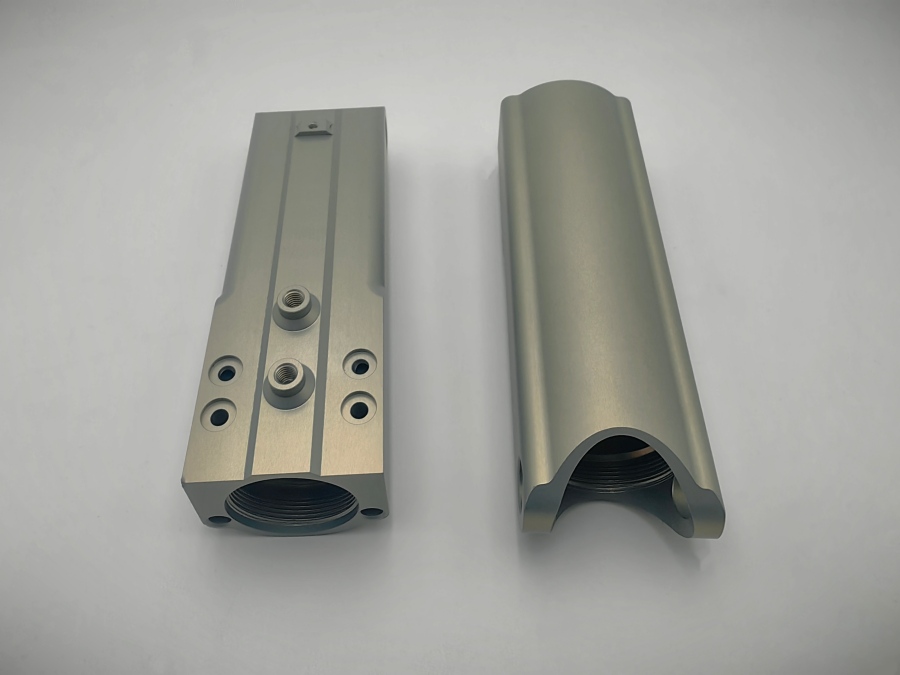
Small-batch CNC machined aluminum and brass parts neatly arranged on a white background, showing finished components for different applications.

How to Calculate CNC Machining Prices: A Complete Guide to CNC Machining Costs by Part Size

Analysis of China’s CNC Machining Price Trends in 2026 CNC machining prices remain one of the most variable costs in manufacturing. Unlike stamping or injection molding, where per-part costs stabilize after tooling investment, CNC machining pricing fluctuates based on geometry complexity, material selection, tolerance requirements, and—most significantly—part size and machine occupancy time. This guide explains […]

How to Calculate CNC Machining Prices: A Complete Guide to CNC Machining Costs by Part Size Read More »

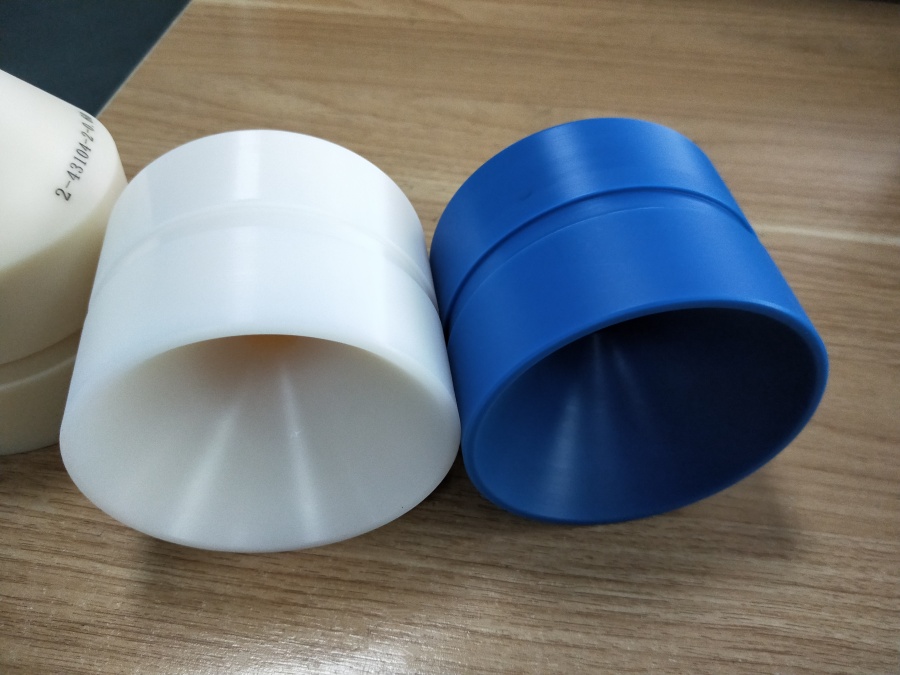
Featured image of CNC machined acetal POM parts white plastic components for precision engineering

Machining Acetal, ABS, HDPE, and Tool Steel: Best Practices for Chip Control, Heat Management, and Tool Coatings

In precision CNC machining, machining acetal stands out as one of the most reliable and dimensionally stable engineering plastics, but it requires expert strategies for chip control, heat management, and tool coatings to avoid melting or stringy chips. Similar challenges arise in machining ABS (gummy and heat-sensitive) and machining tool steel (high-heat and abrasive), while

Machining Acetal, ABS, HDPE, and Tool Steel: Best Practices for Chip Control, Heat Management, and Tool Coatings Read More »

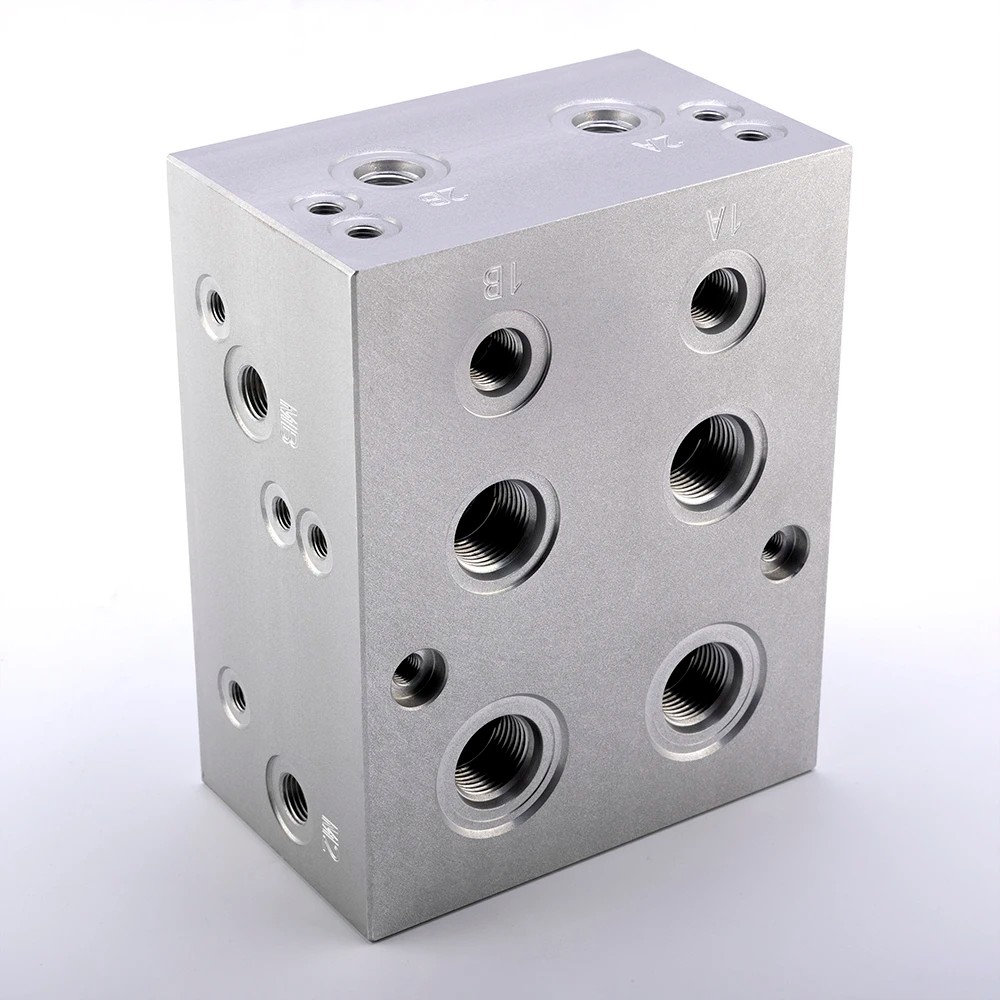
CNC machined aluminum hydraulic manifold block components

Manifold Blocks by Media: Practical CNC Machining Guide for Real-World Failure Modes

When you receive a manifold block drawing, it often looks straightforward: ports, cross-drilled passages, seal faces, and threads. Yet field performance varies dramatically even when dimensions meet specifications. The most reliable way to avoid repeat failures? One simple rule: the media defines the failure mode. What you must control for a pneumatic manifold block differs

Manifold Blocks by Media: Practical CNC Machining Guide for Real-World Failure Modes Read More »

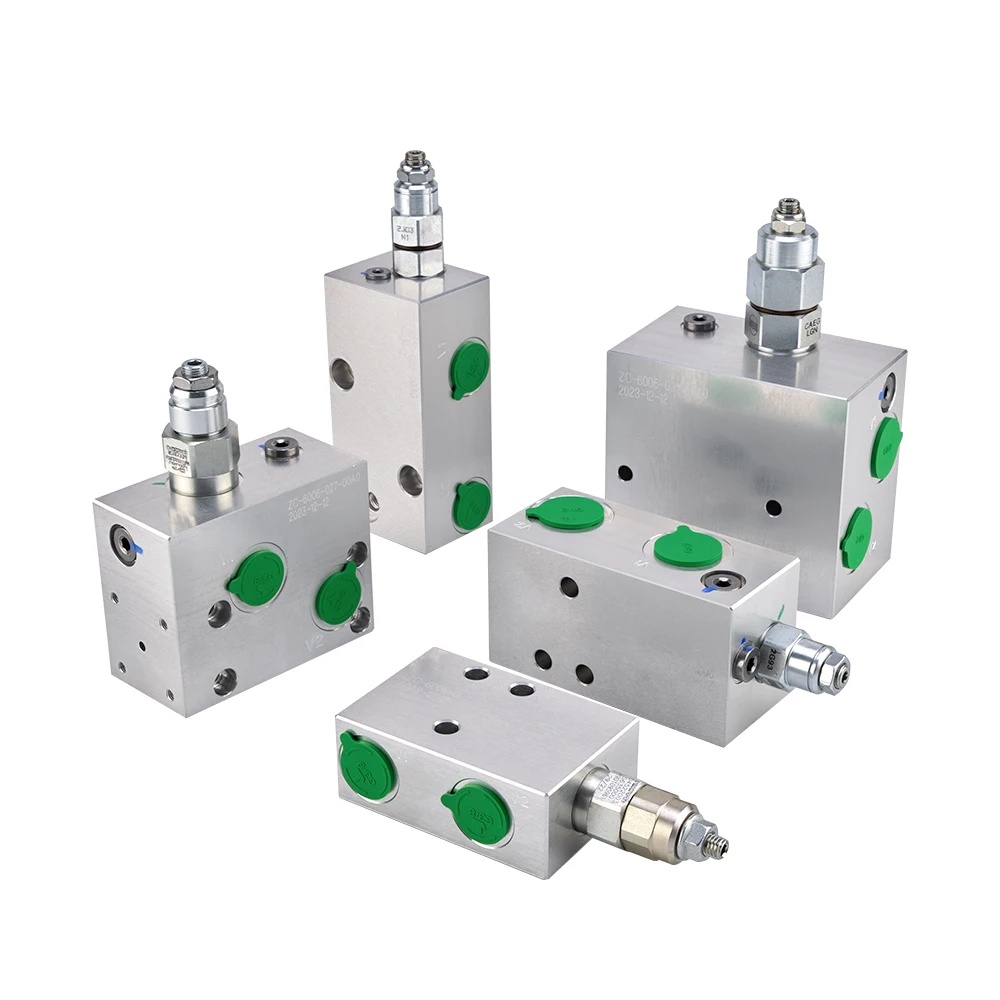
CNC machining hydraulic valve manifold blocks with multi-port routing and threaded ports

Hydraulic Valve Manifold Block Machining Playbook: CAM, Tooling, and Long-Run Cost Optimization

Hydraulic Valve Manifold Block Machining A hydraulic valve manifold block is a functional interface—not just a drilled block.Ports, threads, cross-drilled passages, and sealing faces must stay consistent over long runs. Production Machining Playbook This is a production playbook: material behavior → CAM programming → tool selection → burr control → process stability → cost optimization.The

Hydraulic Valve Manifold Block Machining Playbook: CAM, Tooling, and Long-Run Cost Optimization Read More »

CNC machined hydraulic manifold blocks with precision ports and sealing surfaces

Hydraulic Manifold Block Checklist: Ports, Seals, Deburring & Inspection

A hydraulic manifold block can look perfect on the outside and still cause headaches in the field. Most problems don’t come from one obvious mistake. They come from small, avoidable gaps in design intent and manufacturing control—unclear thread standards, sealing faces treated like “general machining,” burrs hiding at cross-drilled intersections, or chips left inside passages.

Hydraulic Manifold Block Checklist: Ports, Seals, Deburring & Inspection Read More »

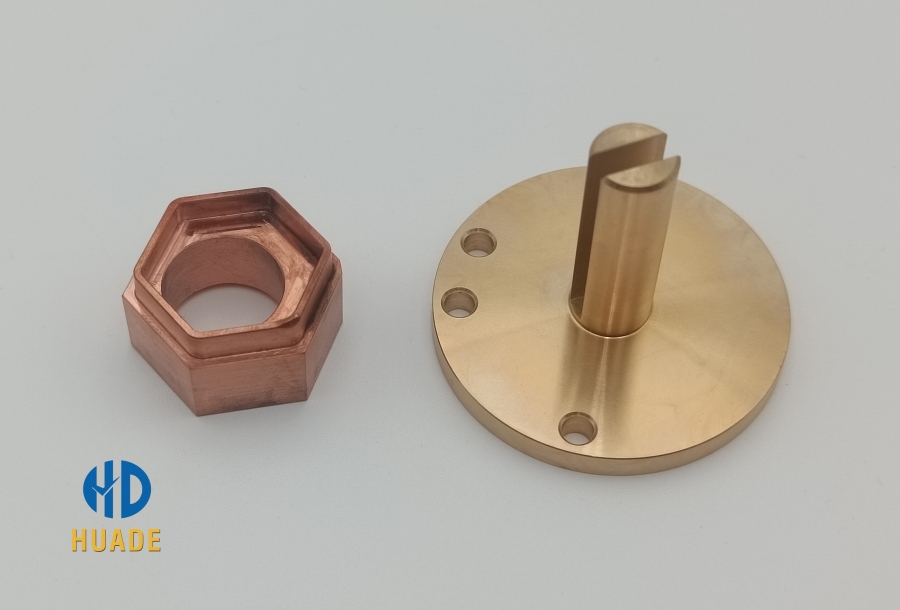
Brass vs copper CNC machined parts comparison: copper hexagonal component (left, reddish) and brass precision flange (right, golden-yellow) by Dongguan Huade Precision Manufacturing Co., Ltd.

Brass vs Copper in CNC Machining: Which Metal Wins for Precision Parts?

In the realm of CNC machining, the debate between brass vs copper (and conversely, copper vs brass) is a frequent one among designers, engineers, and manufacturers. These two metals, both derived from copper-based materials, offer distinct properties that can make or break the success of precision parts. Factors like price, color, conductivity, machinability, and specific

Brass vs Copper in CNC Machining: Which Metal Wins for Precision Parts? Read More »

Precision stainless steel manifold block CNC machining by Huade

Manifold Block Machining: CNC Guide for Hydraulic, Pneumatic, Air & Vacuum Systems

A manifold block looks simple—just a rectangular block with ports and drilled passages. In reality, it’s a pressure-bearing “traffic controller” for fluid, air, vacuum, or grease. When it’s machined well, systems run clean, stable, and leak-free. When it’s machined poorly, the symptoms can be brutal: mysterious pressure loss, intermittent valve behavior, contamination, and the kind

Manifold Block Machining: CNC Guide for Hydraulic, Pneumatic, Air & Vacuum Systems Read More »

CNC groove machining on a lathe (metal grooving) – OD groove for seal and retaining ring features

Metal Grooving: CNC Groove Machining for Seals, Rings, and High-Load Assemblies

Metal grooving often looks like a simple feature—just a narrow channel on a drawing. In real manufacturing, metal grooving is where parts start to leak, vibrate, seize, or fail assembly if groove width, depth, corner radius, burr condition, and surface finish are not controlled as one system. That is why grooving in machining is treated

Metal Grooving: CNC Groove Machining for Seals, Rings, and High-Load Assemblies Read More »

CNC machining of precision motor shaft for electric motor applications

Motor Shafting Manufacturing: Precision CNC Machined Shafts for Electric Motors

Motor shafting plays a critical role in how electric motors perform, last, and operate under real-world loads. Although often hidden inside the motor assembly, the shaft directly affects rotational accuracy, bearing life, vibration levels, and overall system reliability. As a CNC machining manufacturer specializing in precision motor shafting, we work closely with engineers and purchasing

Motor Shafting Manufacturing: Precision CNC Machined Shafts for Electric Motors Read More »

Two premium CNC machined aluminum herb grinders in silver and blue matte finish.

Herb Grinder Complete Guide (Types, Sizes, How It Works & Best Uses)

Introduction An herb grinder is a tool designed to break dried herbs into smaller, consistent pieces — making them easier to use for smoking, rolling, vaporizing, cooking, or aromatherapy. Whether you’re a retail store owner, private-label brand, or enthusiast, understanding what makes a great herb grinder will help you choose or source the right product.

Herb Grinder Complete Guide (Types, Sizes, How It Works & Best Uses) Read More »