Revisar el paquete de liberación
The drawing should name a specific grade and, where relevant, a material condition. Corrosion exposure and weld or heat exposure can change the right choice.
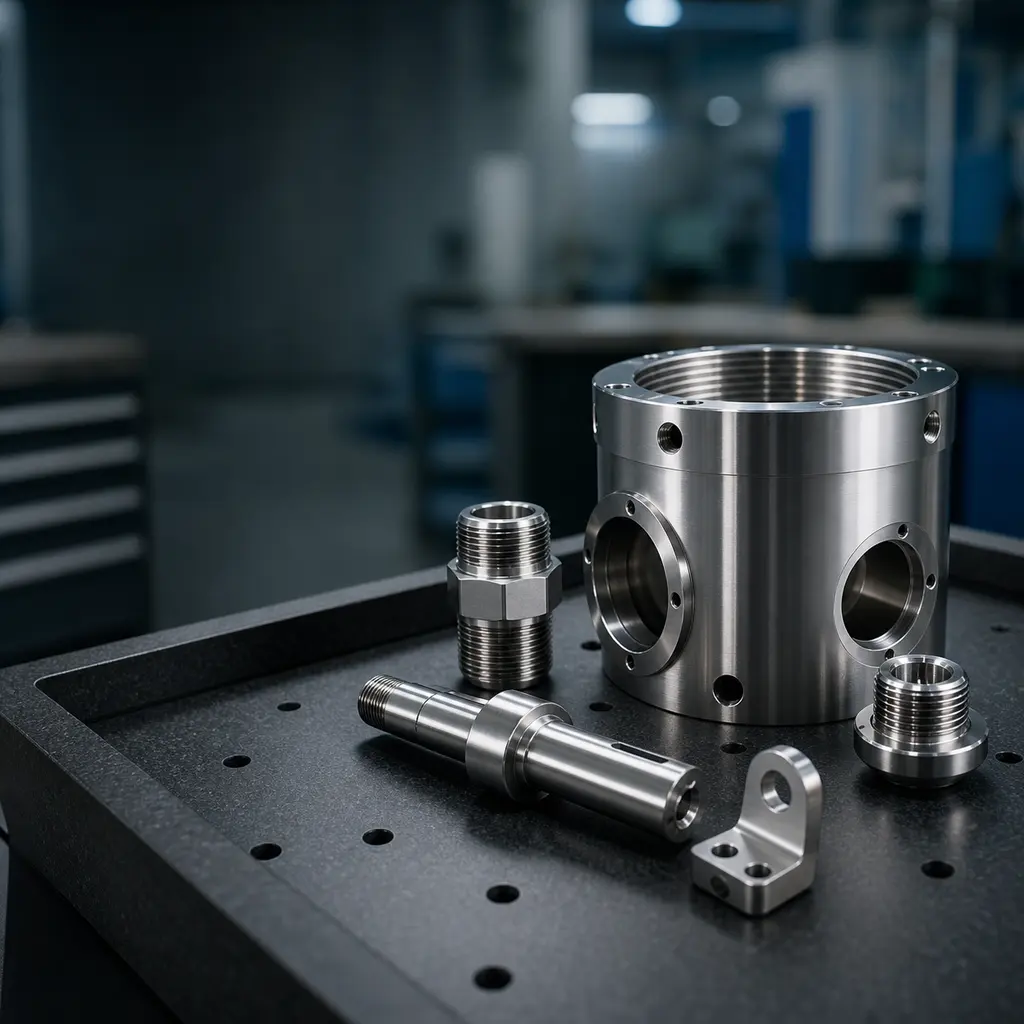
Componentes de acero inoxidable
HDProto mecaniza acero inoxidable cuando importan la resistencia a la corrosión, la limpieza, la resistencia mecánica y las interfaces controladas.
Solicitar presupuestoEs una buena opción para piezas con exposición a limpieza, corrosión o carga, respaldadas por plano y plan de inspección.
Manufacturing route
The drawing should name a specific grade and, where relevant, a material condition. Corrosion exposure and weld or heat exposure can change the right choice.
Stainless machining needs a stable setup and suitable tool path to protect edge quality, feature location and surface condition.
Bores, sealing faces, threaded ports and mating surfaces are sequenced to maintain the relationships that determine assembly fit.
Passivation or polishing requirements are coordinated with dimensional checks so the final part—not only the pre-finish part—meets the drawing intent.
Una revisión de plano y criterios de aceptación claros mantienen controlado cada lote repetido.
Las caras de sellado, ajustes a presión, roscas y superficies visibles deben marcarse como críticas desde el inicio.
Las cantidades, entregas parciales y acabados deben cotizarse juntas.
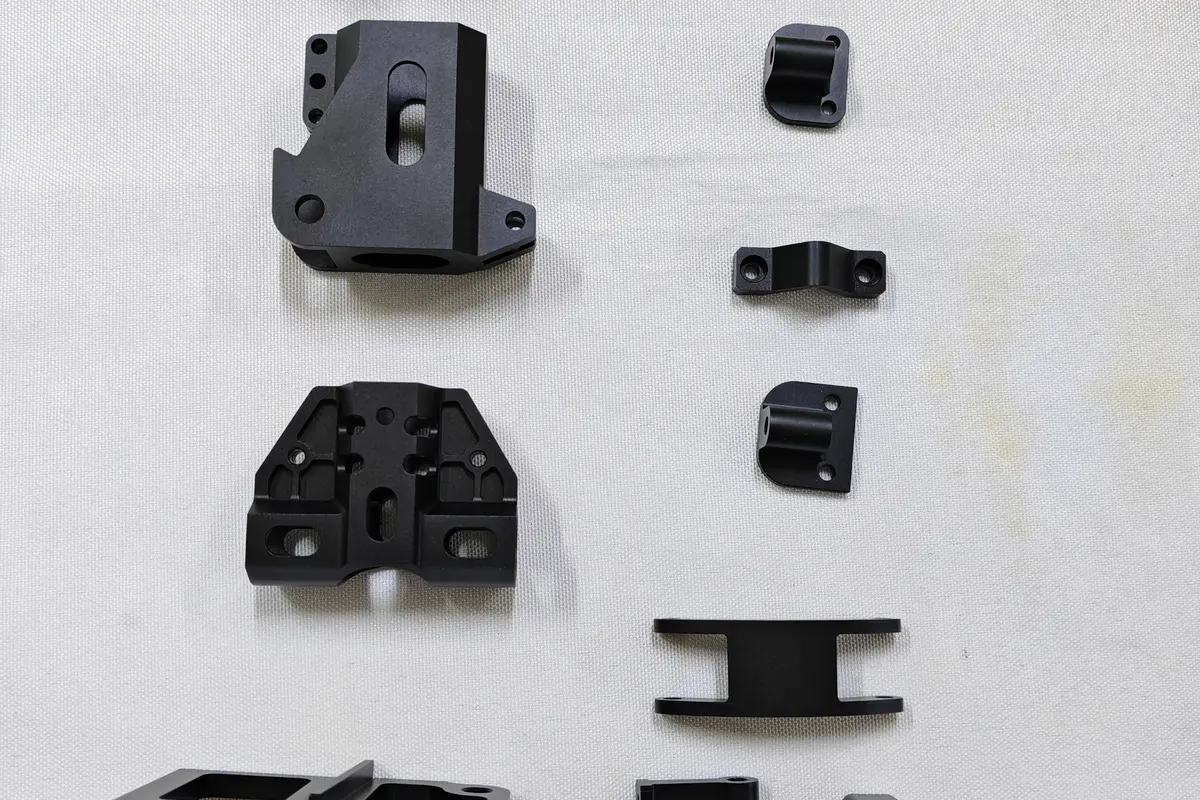
Representative CNC-machined component photograph. It illustrates manufacturing detail only; it does not identify a customer program.
Application decisions
A stainless bracket or housing may need corrosion resistance, controlled fastener interfaces and a finish appropriate for outdoor exposure. Confirm the actual environment instead of assuming any stainless grade provides the same margin.
For parts that see cleaning cycles or process fluids, define the medium, temperature, crevice risks and finish-sensitive surfaces. These inputs guide grade, machining sequence and post-machining treatment.
Threads, bores, seal lands and precision faces should be evaluated after the required finish. Treat passivation or polishing as part of the completed-part acceptance plan.
Engineering decision matrix
These are the inputs that change process routing, inspection effort and the usefulness of the completed part. They are not universal specifications; the drawing and service environment remain the source of acceptance requirements.
| Decision | What to review | Risk if omitted | Useful RFQ input |
|---|---|---|---|
| Service environment | Consider moisture, chlorides, process fluids, cleaning chemicals and operating temperature together. | Choosing a grade from a generic corrosion label can overlook crevice or chemical exposure. | Describe the medium, temperature range, cleaning cycle and any corrosion concern. |
| Grade and material condition | Select a specific stainless grade and state traceability needs where applicable. | “Stainless steel” is not enough to establish corrosion performance, machinability or material documentation. | Name grade, condition, approved alternate and certificate requirement. |
| Functional surface route | Sequence bores, seal faces, threads and mating faces around machining and finishing. | A finish that improves cleanability may affect a close fit if it is not in the acceptance plan. | Identify surface finish, passivation or polish requirements and the dimensions checked after finishing. |
| Inspection method | Match the gauge or measurement method to the real interface. | Visual finish checks do not verify a sealing face, bore relationship or thread fit. | Call out critical datums, bore/thread gauges and required inspection records. |
Yes. Milling, turning, drilling and threading can be planned with passivation, polishing or other specified finishing steps for the completed component.
At minimum, name the grade, drawing revision, critical dimensions, thread or bore requirements, surface finish, quantity and any material or inspection documentation.
Yes, provided the fit, datum scheme and inspection method are clearly defined. Thermal behavior, finish and mating material should be considered for functional assemblies.