Freigabepaket prüfen
We review the 3D model, drawing revision, quantity breakpoints and critical-to-function features before selecting the routing.
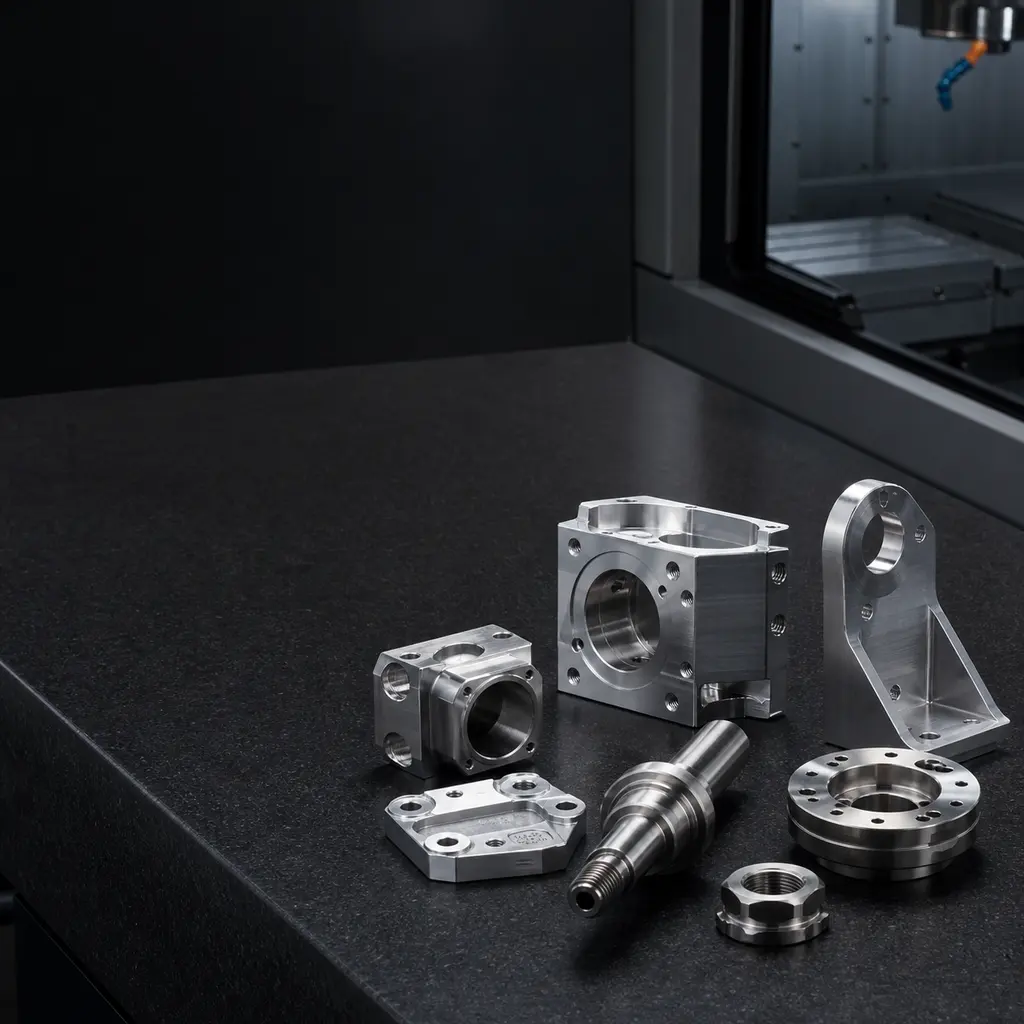
Unterstützung vom Prototyp bis zur Serie
HDProto fertigt Kleinserien, wenn ein Projekt mehr Kontrolle als ein Einzelprototyp und mehr Flexibilität als ein Werkzeugprogramm benötigt.
Angebot anfordernGeeignet bei stabilisierendem Design, unsicherer Nachfrage oder wenn produktionsnahe Teile vor einer Werkzeugentscheidung benötigt werden.
Manufacturing route
We review the 3D model, drawing revision, quantity breakpoints and critical-to-function features before selecting the routing.
Datums, workholding, tool access and inspection points are set up for stable repeat batches rather than a one-time prototype shortcut.
Parts are made in the required material and finish, with dimensional checks focused on the interfaces that affect assembly performance.
Approved process notes and quality requirements stay attached to the job so a repeat order starts from controlled information.
Eine klare Zeichnungsrevision und Abnahmekriterien halten jede Wiederholserie unter Kontrolle.
Dichtflächen, Presssitze, Gewinde und Sichtflächen sollten früh als kritische Merkmale markiert werden.
Menge, Lieferaufteilung und Oberflächenfinish müssen gemeinsam kalkuliert werden.
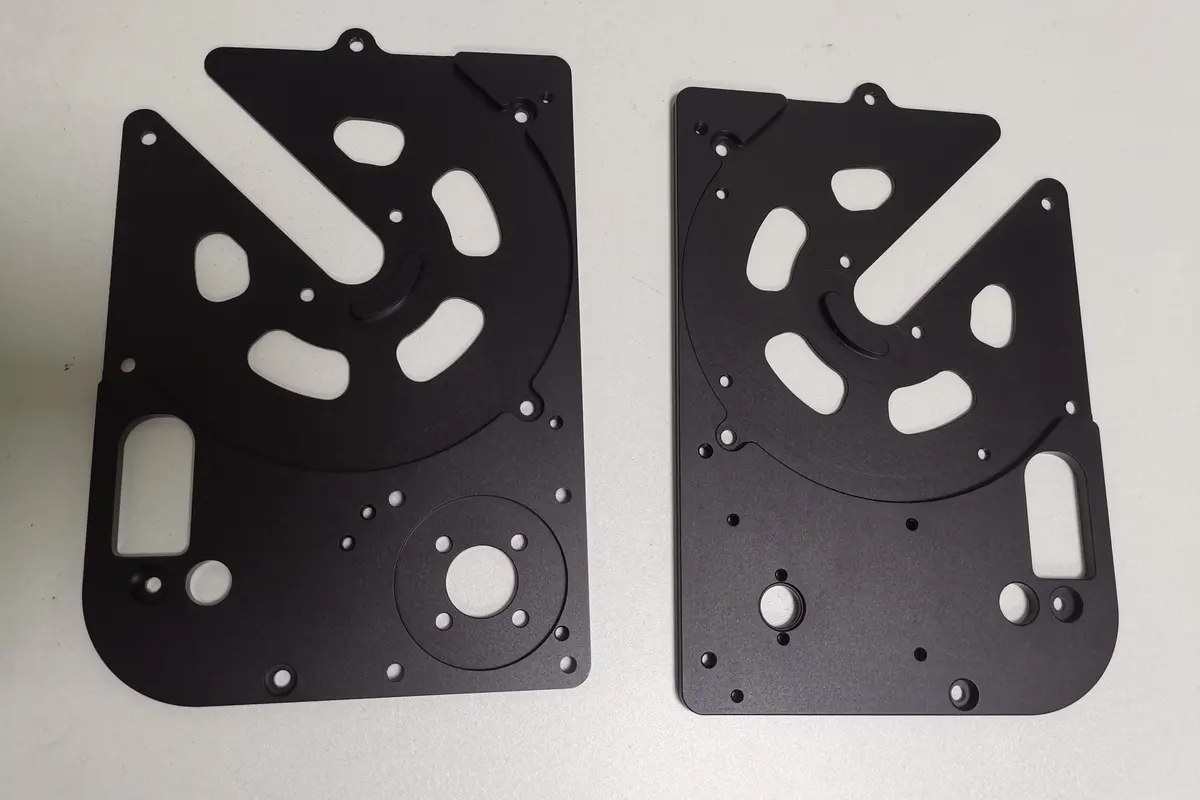
Representative CNC-machined component photograph. It illustrates manufacturing detail only; it does not identify a customer program.
Application decisions
For UAV and robotic assemblies, an early CNC batch can validate hole position, bearing or fastener interfaces, cable clearance and finish coverage before a repeat order. The key is to identify what is being validated and preserve that drawing revision.
After an approved first batch, the useful handoff is more than the CAD file: it includes material, finish, datums, inspection focus and packaging. That controlled package reduces avoidable rework when demand returns in smaller releases.
Even a modest lot needs stable workholding and a defined inspection approach when parts mate across an assembly. This differs from a one-off demonstration part, where speed may be the only decision driver.
Engineering decision matrix
These are the inputs that change process routing, inspection effort and the usefulness of the completed part. They are not universal specifications; the drawing and service environment remain the source of acceptance requirements.
| Decision | What to review | Risk if omitted | Useful RFQ input |
|---|---|---|---|
| Quantity and release pattern | Compare the first release, expected repeat quantity and any scheduled delivery splits. | Quoting only the first small lot can hide the workholding and finishing decisions needed for the next release. | State quantity now, expected annual demand and whether releases must be split. |
| Revision control | Confirm the approved CAD and drawing revision before programming is carried forward. | A repeat order built from an informal model update can mix incompatible interfaces or finishes. | Provide revision identifiers and a clear disposition for any prior parts. |
| Inspection level | Separate fit-critical dimensions from general dimensions and define report expectations. | Inspecting everything adds cost; inspecting too little can miss the features that stop assembly. | Mark critical features, gauges or CMM needs, and first-article requirements. |
| Finish and packaging | Plan coating lead time, masking, cosmetic zones and protection alongside machining. | A stable machined part can still be delayed or damaged after a finish operation. | Include finish specification, masked areas and packaging or handling requirements. |
The right process depends on geometry and repeat demand rather than a fixed number. Low-volume and small-batch work commonly covers pilot, bridge and repeat batches where CNC flexibility is more valuable than dedicated tooling.
Yes. Specify the assembly interfaces, material certification and inspection evidence required so the batch is planned as a validation build rather than a cosmetic prototype.
Use an approved drawing revision, material and finish specification, and clearly identified critical dimensions. Those controlled requirements form the basis for subsequent lots.