Inconel CNC Machining Services
718, 625 and 600 Parts
Inconel is specified when easier metals have already been ruled out. It holds strength in heat and corrosion, but it also work-hardens, eats tools and makes cheap machining assumptions very expensive.
Best fit
hot-section hardware, exhaust parts, valve parts and chemical service components
Common grades
Inconel 718, 625 and 600
Watch point
work hardening, tool pressure, corner dwell and heat concentration
Typical route
rigid milling, turning, drilling, thread milling and controlled deburring
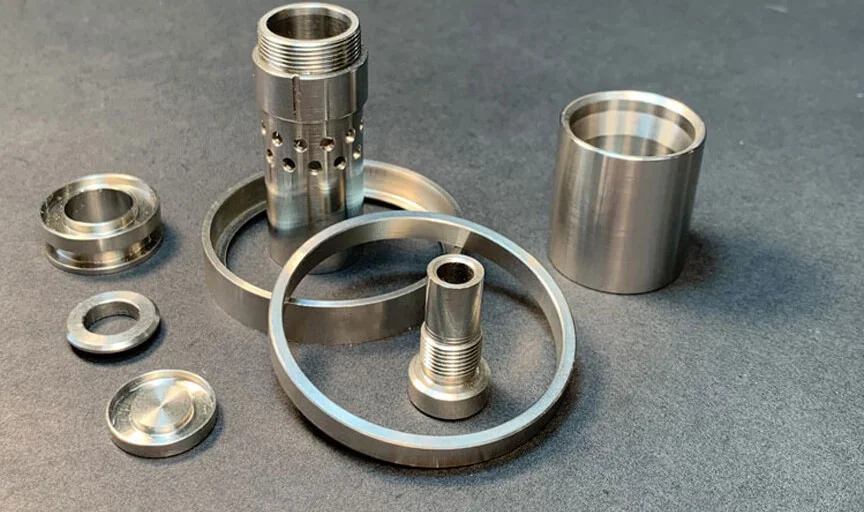
Inconel Grades For CNC Machining
Nickel alloys are not interchangeable. 718 is often selected for strength, while 625 is usually chosen for corrosion resistance and weldability.
| Grade | Yield Strength | Tensile Strength | Hardness |
|---|---|---|---|
| Inconel 718 | ~ 1030 MPa | ~ 1240 MPa | ~ 36 HRC |
| Inconel 625 | ~ 460 MPa | ~ 930 MPa | ~ 30 HRC |
| Inconel 600 | ~ 240 MPa | ~ 550 MPa | ~ 85 HRB |
International Grade Comparison
For Inconel, grade and heat condition need to be locked before quoting. Small changes can affect tool life, lead time and inspection approach.
| ASTM / AISI / UNS | DIN / EN | GB | Engineer Note |
|---|---|---|---|
| Inconel 718 / UNS N07718 | 2.4668 / NiCr19Fe19Nb5Mo3 | GH4169 | High-strength precipitation-hardened nickel alloy for aerospace, turbines and loaded hot hardware. |
| Inconel 625 / UNS N06625 | 2.4856 / NiCr22Mo9Nb | GH3625 | Excellent corrosion resistance, common in chemical processing, marine and oil and gas environments. |
| Inconel 600 / UNS N06600 | 2.4816 / NiCr15Fe | GH3600 | Good oxidation resistance and thermal stability for furnace and heat-exposure components. |
Application Fit Matrix
Inconel is reserved for harsh service: high heat, corrosive fluids, and loaded hardware where easier metals lose strength.
| Application | Recommended Material | Why This Material Works | Typical CNC Process | Finish / Risk Note |
|---|---|---|---|---|
| Turbine & Hot-Section Hardware | Inconel 718 | Maintains strength at elevated temperature and resists oxidation. | 5-axis milling, drilling, thread milling | Expect slower machining and higher tool cost. |
| Exhaust & Combustion Components | Inconel 625 or 718 | Strong oxidation and corrosion resistance in hot gas. | Milling, turning, slotting | Thin walls need heat-control strategy. |
| Oil & Gas Valve Parts | Inconel 625 | Resists sour service, chlorides, and aggressive fluids. | Turning, boring, port milling | Define fluid exposure and pressure; finish affects sealing. |
| High-Temperature Fasteners | Inconel 718 | High tensile strength and creep resistance for loaded assemblies. | CNC turning, thread cutting | Threads require careful inspection because work hardening damages tools. |
| Chemical Processing Hardware | Inconel 625 | Excellent corrosion resistance in severe chemical environments. | Milling, drilling, tapping | Confirm chemical concentration and temperature. |
Selection Rule
Match the grade to the part's real job first: strength, heat, wear, corrosion, insulation, transparency, or cosmetic finish.
DFM Reminder
Material choice changes tolerance risk, burr control, wall thickness, thread strategy, and finishing route.
Quote Tip
Share the operating environment, mating parts, finish expectations, and inspection requirements with the drawing.
What We Check Before Cutting Inconel
The rule is simple: keep the tool cutting, keep the setup rigid and do not let the cutter rub. Inconel remembers every bad pass.
- 1
No Dwelling In Corners
Pausing or rubbing in a corner can harden the surface and punish the next tool. Toolpaths need smooth engagement and positive feed.
- 2
Use Conservative Engagement
Heavy radial cuts generate heat and pressure fast. We prefer controlled stepovers, strong coolant and stable chip thickness.
- 3
Deburring Is Part Of The Quote
Inconel burrs can be tough and sharp. Edge requirements should be called out clearly so the finishing time is realistic.
Surface Treatments That Actually Fit
Most Inconel parts are left as-machined unless the application needs cleaning, marking or sealing-surface improvement.
1. As-Machined
Common for functional hot-zone parts where material performance is more important than cosmetic appearance.
2. Passivation or Cleaning
Used to remove surface contamination before high-temperature or corrosion service.
3. Polishing On Sealing Faces
Applied only where the drawing needs it, because polishing nickel alloy is time-consuming and should be targeted.
Send The Details That Change The Quote
Include alloy grade, heat condition, service temperature, fluid exposure, edge requirements and any sealing surface roughness targets.
Material condition
Name the exact grade, stock condition and certificate requirement. The same alloy can machine and perform differently after heat treatment, aging or cold work.
Functional features
Flag threads, bearing bores, sealing faces and mating materials. These features determine the machining sequence, surface requirement and inspection plan.
Finish and release
Include coating, masking, cosmetic zones and report needs in the controlled RFQ so finished dimensions and acceptance criteria are aligned before production.