CNC Machining
Nylon (PA)
Nylon (Polyamide) is an exceptionally tough engineering thermoplastic. Known for its high wear resistance, high tensile strength, and natural self-lubricating properties, it is the premier material for replacing metal in heavy-duty gears, bearings, pulleys, and sliding mechanisms.
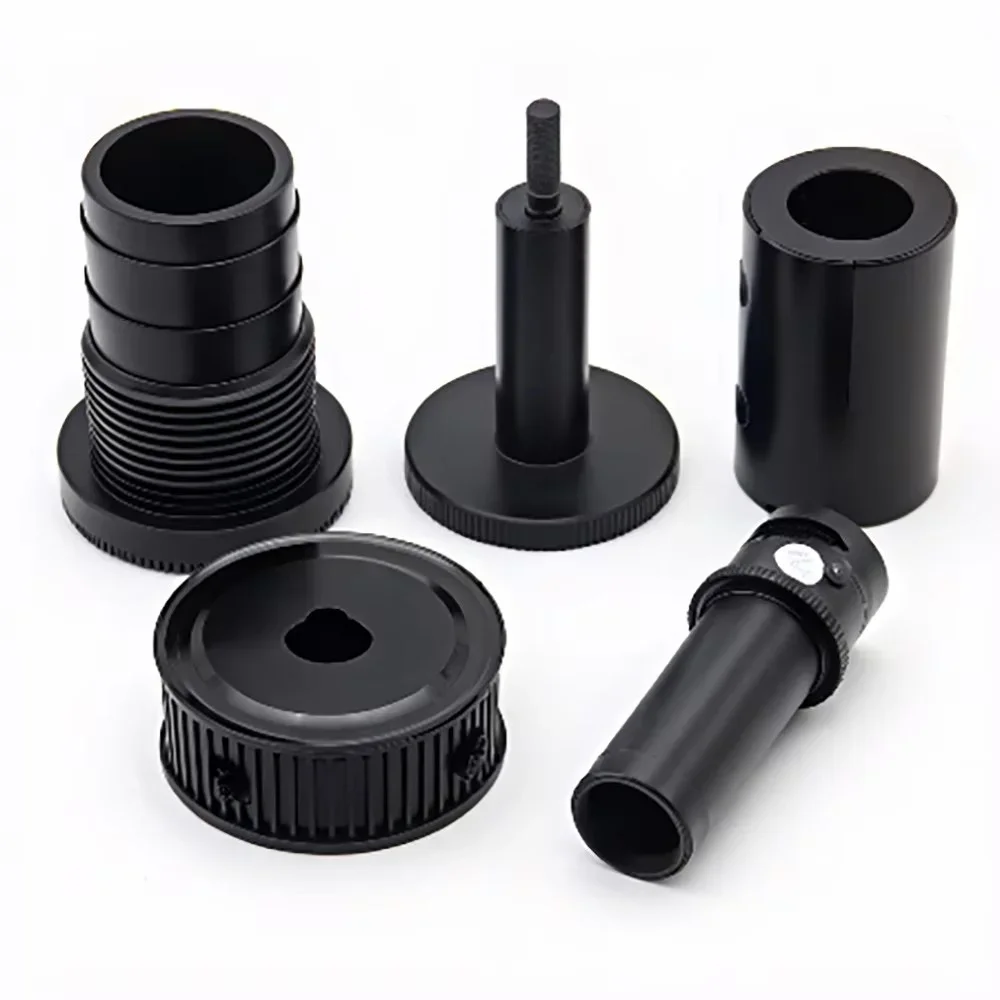
Core Mechanical Properties
Nylon offers a unique combination of strength and compliance. Below are the typical mechanical properties for extruded Nylon billets used in CNC machining. Note that Nylon absorbs moisture, which can affect these properties.
| Property | Typical Value (PA66) | Key Benefit |
|---|---|---|
| Tensile Strength | 75 - 85 MPa | High load-bearing capacity, allowing it to easily replace aluminum in many structural applications. |
| Coefficient of Friction | Very Low (~0.28) | Acts as a self-lubricating material, extending the lifespan of moving and sliding parts without grease. |
| Melting Temperature | 255°C - 265°C | Excellent thermal stability for a thermoplastic, maintaining form in high-friction environments. |
| Moisture Absorption | Up to 8% (at saturation) | Absorbs water from the air, which increases toughness but causes dimensional expansion. |
Material Comparison: Nylon Grades
Selecting the right Polyamide (PA) grade is critical. From standard Nylon 6 to glass-reinforced variants, we stock the right billets for your specific engineering needs.
| Material Grade | Common Name | Key Characteristics & Use Case |
|---|---|---|
| Nylon 6 (PA6) | Cast Nylon | Excellent toughness and damping capacity. Easier to machine than PA66 and highly impact-resistant. Often used for heavy-duty rollers and wear pads. |
| Nylon 66 (PA66) | Extruded Nylon | The industry standard. Offers higher mechanical strength, rigidity, and a higher melting point than PA6. Absorbs slightly less moisture. Ideal for precision gears and bearings. |
| Nylon 66 GF30 | Glass-Filled Nylon | Contains 30% glass fibers. Drastically increases stiffness, compressive strength, and thermal stability while reducing moisture expansion. Highly abrasive during CNC machining. |
Application Fit Matrix
Nylon is useful for tough, wear-resistant machined parts where impact strength and low friction matter more than moisture-stable precision.
| Application | Recommended Material | Why This Material Works | Typical CNC Process | Finish / Risk Note |
|---|---|---|---|---|
| Gears & Sprockets | Nylon 6 or 66 | Tough and self-lubricating for moderate-load motion. | Milling, turning, gear cutting | Moisture absorption can change dimensions. |
| Wear Pads & Slide Blocks | Oil-Filled Nylon or Cast Nylon | Low friction and good abrasion resistance. | Milling, drilling, profiling | Define mating surface and load. |
| Rollers & Bushings | Nylon 6/66 | Tough and quieter than metal. | Turning, boring, grooving | Bore tolerances should account for humidity. |
| Conveyor Components | Cast Nylon | Impact-resistant and wear-friendly. | Milling, turning, routing | Long thin sections may warp. |
| Equipment Brackets | Glass-Filled Nylon | Improved stiffness over unfilled nylon. | Milling, drilling, tapping | Glass-filled grades are more abrasive. |
Selection Rule
Match the grade to the part's real job first: strength, heat, wear, corrosion, insulation, transparency, or cosmetic finish.
DFM Reminder
Material choice changes tolerance risk, burr control, wall thickness, thread strategy, and finishing route.
Quote Tip
Share the operating environment, mating parts, finish expectations, and inspection requirements with the drawing.
Expert Machining Tips
Machining Nylon requires managing its two biggest weaknesses: heat sensitivity and moisture absorption. Huade engineers apply stringent protocols to achieve tight tolerances:
- 1
Managing Moisture & Tolerances
Nylon acts like a sponge, expanding as it absorbs humidity from the air. For tight-tolerance parts, we machine in climate-controlled environments and factor in the expected dimensional growth of the part once it reaches moisture equilibrium.
- 2
Preventing Heat Buildup
Nylon will melt and wrap around the tool if it gets too hot. We use ultra-sharp, high-rake angle, single or double-flute cutters with aggressive feed rates to ensure the heat leaves with the chip. Air blasts are preferred over liquid coolants to prevent unwanted moisture absorption.
- 3
PCD Tooling for GF30
When machining Glass-Filled Nylon (PA66 GF30), the 30% glass content makes the material highly abrasive. We upgrade from standard carbide to Polycrystalline Diamond (PCD) tooling to maintain sharp cutting edges and dimension accuracy over long production runs.
Post-Processing & Treatments
Nylon's surface finish straight off the CNC machine is generally excellent, but certain applications require specific post-machining treatments.
1. As-Machined (Standard)
Most functional Nylon parts (gears, bearings) are left as-machined. Proper toolpaths leave a smooth, low-friction surface that is ready for immediate deployment.
2. Moisture Conditioning
Freshly machined (or freshly extruded) Nylon is very dry and somewhat brittle. Parts are sometimes submerged in hot water baths to artificially accelerate moisture absorption, bringing them to equilibrium so they achieve maximum toughness and stable dimensions before shipping.
3. Dyeing
Because Nylon absorbs liquid so readily, it takes exceptionally well to industrial dyes. While black and natural (off-white) are the standard billet colors, machined parts can be dyed to custom colors for aesthetic or color-coding purposes.
Start Your Manufacturing RFQ
Upload your 3D CAD files today. Our engineers will review your plastic specifications, provide a free DFM report, and return an accurate quote within 24 hours.