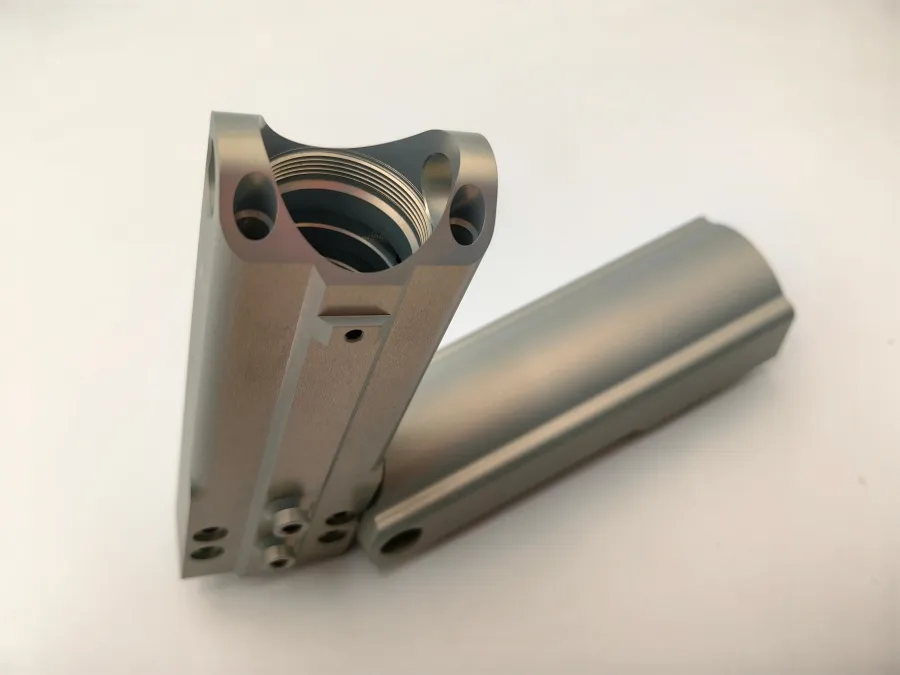
One-Stop Component Supply for a Well-Known Italian Coffee Machine Manufacturer
Since 2018, Huade has supported PEEK grinder parts, brass and SS316 brewing parts, and aluminum sheet metal housings from prototype to repeat production.
Brass sets the benchmark for CNC machinability. This copper-zinc alloy offers exceptionally low friction, excellent electrical and thermal conductivity, and outstanding corrosion resistance. It is the premier choice for precision electronic terminals, fluid valves, and aesthetic hardware.
Understanding the specific alloy grade is crucial for your application's success. Below is the typical mechanical data for the most common CNC machined brass alloys.
| Alloy Grade | Yield Strength | Tensile Strength | Hardness (Rockwell B) |
|---|---|---|---|
| C360 (Free-Machining) | ~ 310 MPa | ~ 400 MPa | ~ 78 HRB |
| C260 (Cartridge Brass) | ~ 110 MPa (Annealed) | ~ 300 MPa | ~ 65 HRB |
| C464 (Naval Brass) | ~ 170 MPa | ~ 380 MPa | 55 - 65 HRB |
Use our cross-reference chart to match American standards (ASTM) with European (DIN/EN) and Chinese (GB) brass material equivalents.
| ASTM (USA) | DIN / EN (Europe) | GB (China) | Key Characteristics |
|---|---|---|---|
| C36000 | CuZn39Pb3 / CW614N | HPb59-1 | The 100% machinability standard. Contains lead to lubricate the tool and break chips perfectly. Ideal for high-speed automatic lathes. |
| C26000 | CuZn30 / CW505L | H70 | Excellent cold workability and formability. Often used for deep drawing, stamping, and electrical components. |
| C46400 | CuZn38Sn1As / CW706R | HSn62-1 | "Naval Brass." Contains tin for extreme resistance to dezincification in saltwater. Perfect for marine hardware. |
Brass is chosen when machinability, electrical performance, thread quality, and decorative finish matter more than maximum strength.
| Application | Recommended Material | Why This Material Works | Typical CNC Process | Finish / Risk Note |
|---|---|---|---|---|
| Electrical Connectors & Terminals | C360 Brass | Excellent conductivity with clean machining for pins, sockets, and contact features. | Swiss turning, micro drilling, milling | Deburr contact edges carefully; plating may be needed for corrosion or solderability. |
| Compression Fittings & Valve Nuts | C360 or H59/H62 Brass | Strong threads, good sealing behavior, and stable turning for fluid hardware. | Turning, threading, hex milling | Check dezincification risk in aggressive water or marine environments. |
| Bushings & Spacers | C360 Brass | Low friction and good repeatability for light-duty bearing surfaces. | Turning, boring, reaming | Specify bore finish and running clearance. |
| Decorative Hardware | H62 or C360 Brass | Warm color, polishability, and crisp engraving suit visible parts. | Milling, engraving, turning | Protect polished parts with clear coat, passivation, or plating. |
| Sensor & Instrument Housings | C360 Brass | Machines fine threads and offers useful EMI shielding. | Turning, milling, knurling | Avoid overly thin threads; brass burrs can remain around cross holes. |
Match the grade to the part's real job first: strength, heat, wear, corrosion, insulation, transparency, or cosmetic finish.
Material choice changes tolerance risk, burr control, wall thickness, thread strategy, and finishing route.
Share the operating environment, mating parts, finish expectations, and inspection requirements with the drawing.
Related component programs involving brass fluid parts, brewing system hardware, turning, milling, sealing surfaces, and multi-material production supply.

Since 2018, Huade has supported PEEK grinder parts, brass and SS316 brewing parts, and aluminum sheet metal housings from prototype to repeat production.

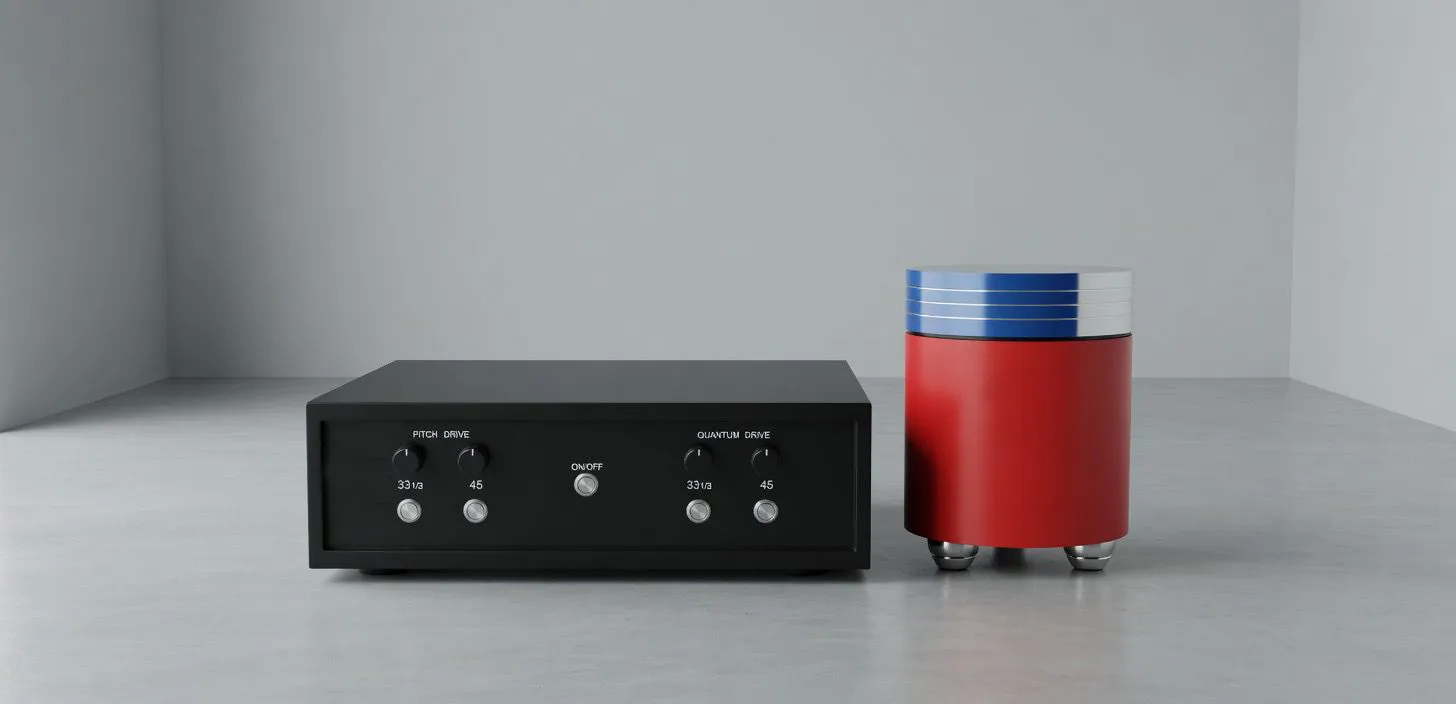
A full visible 6061 aluminum component set combining CNC machining, black baking paint, Ferrari red automotive paint, mirror polishing, and chrome plating.

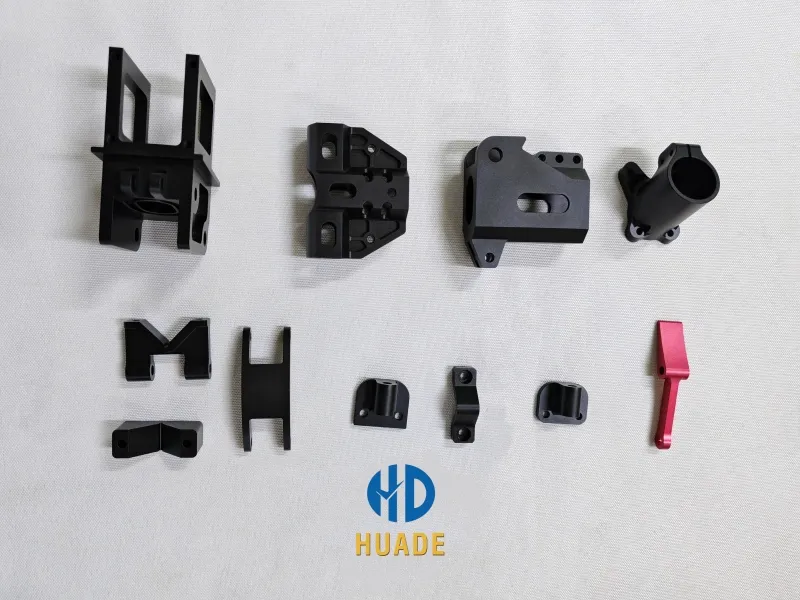
How Huade delivered 5 custom 7075 hollow drone fasteners in 7 days at +/-0.01 mm tolerance before a major drone exhibition.

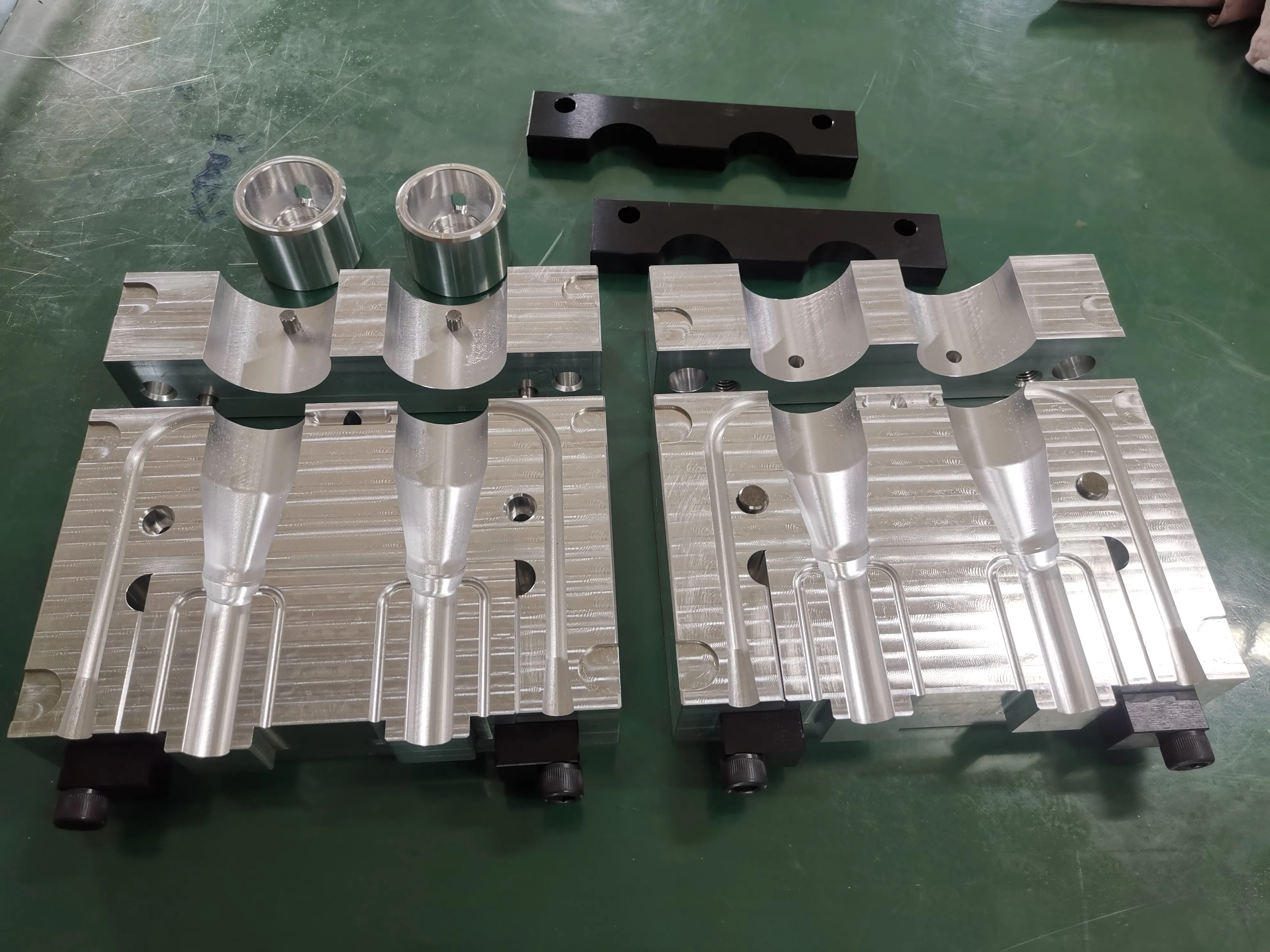
A long-term case study showing how Huade has remained the designated supplier for core mold components since 2015.
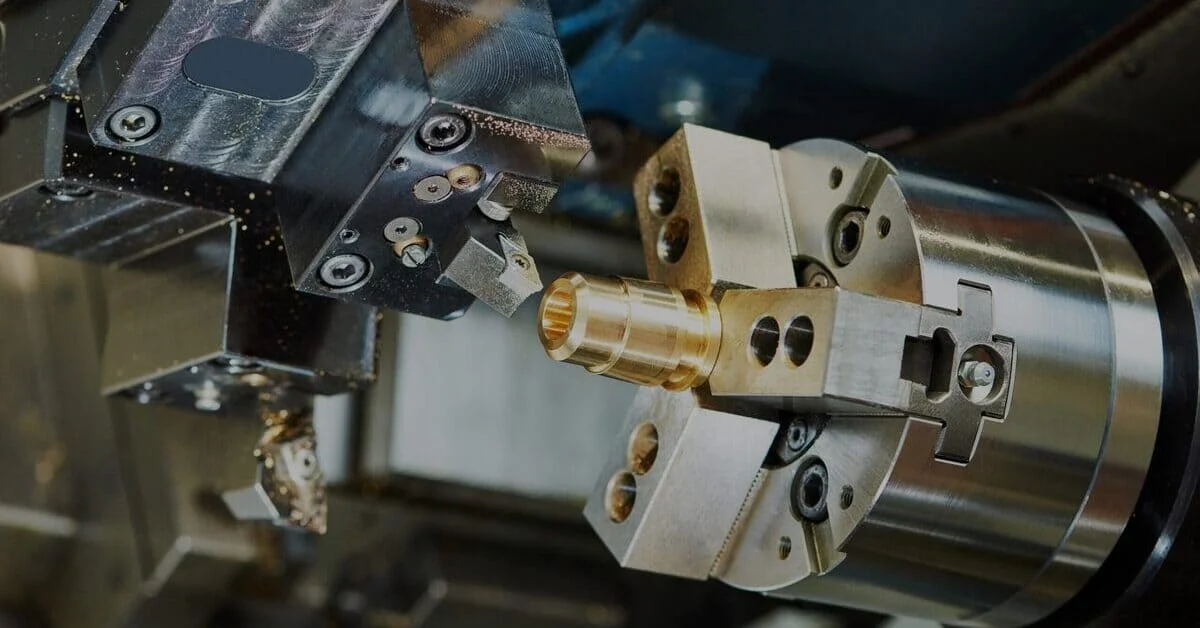
C360 Brass represents 100% on the machinability index. However, its tendency to "grab" tools requires our CNC programmers to optimize specific cutting geometries:
Brass has a strong tendency to pull or "grab" the cutting tool into the workpiece. To counter this, we use cutting tools with zero or slightly negative rake angles to push the tool away, ensuring dimensional stability.
Brass dissipates heat incredibly well. We maximize our spindle RPMs and feed rates (often running at the limits of our turning centers) to drastically reduce cycle times without compromising tool life.
Because free-machining brass produces very short, powdery chips, flood coolant is often unnecessary. We frequently machine brass dry or use a very light cutting oil simply to clear the chips from deep bores.
Brass possesses a beautiful natural gold color, but we offer specialized post-processing to alter its aesthetics or improve its wear properties.
Often, brass requires no coating. We offer high-gloss mechanical polishing to bring out its natural luster, which is highly desired in decorative applications.
If the part requires severe corrosion resistance or electrical grounding without tarnishing, nickel plating deposits a hard, uniform, silver-colored protective layer over the brass.
Raw brass will eventually oxidize and develop a green/brown patina over time. Applying a thin, clear lacquer or powder coat seals the metal, preserving its shiny golden finish indefinitely.
Upload your 3D CAD files today. Our engineering team will review your brass specifications and provide a free DFM report along with rapid pricing.