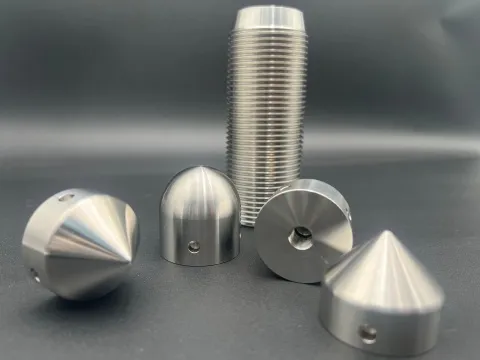
Ultra-Smooth Mirror & Optical Finishes

Precision Polishing
Services

Elevate the aesthetics and functionality of your parts. From mechanical mirror polishing for metals to vapor polishing for optically clear plastics, we achieve sub-micron surface roughness.

Process Overview

What is Surface Polishing?

Polishing involves using abrasives, chemicals, or vapor to smooth a part's surface. It removes machining marks, creates a highly reflective or optically clear finish, and significantly reduces surface roughness (Ra) for critical engineering applications.

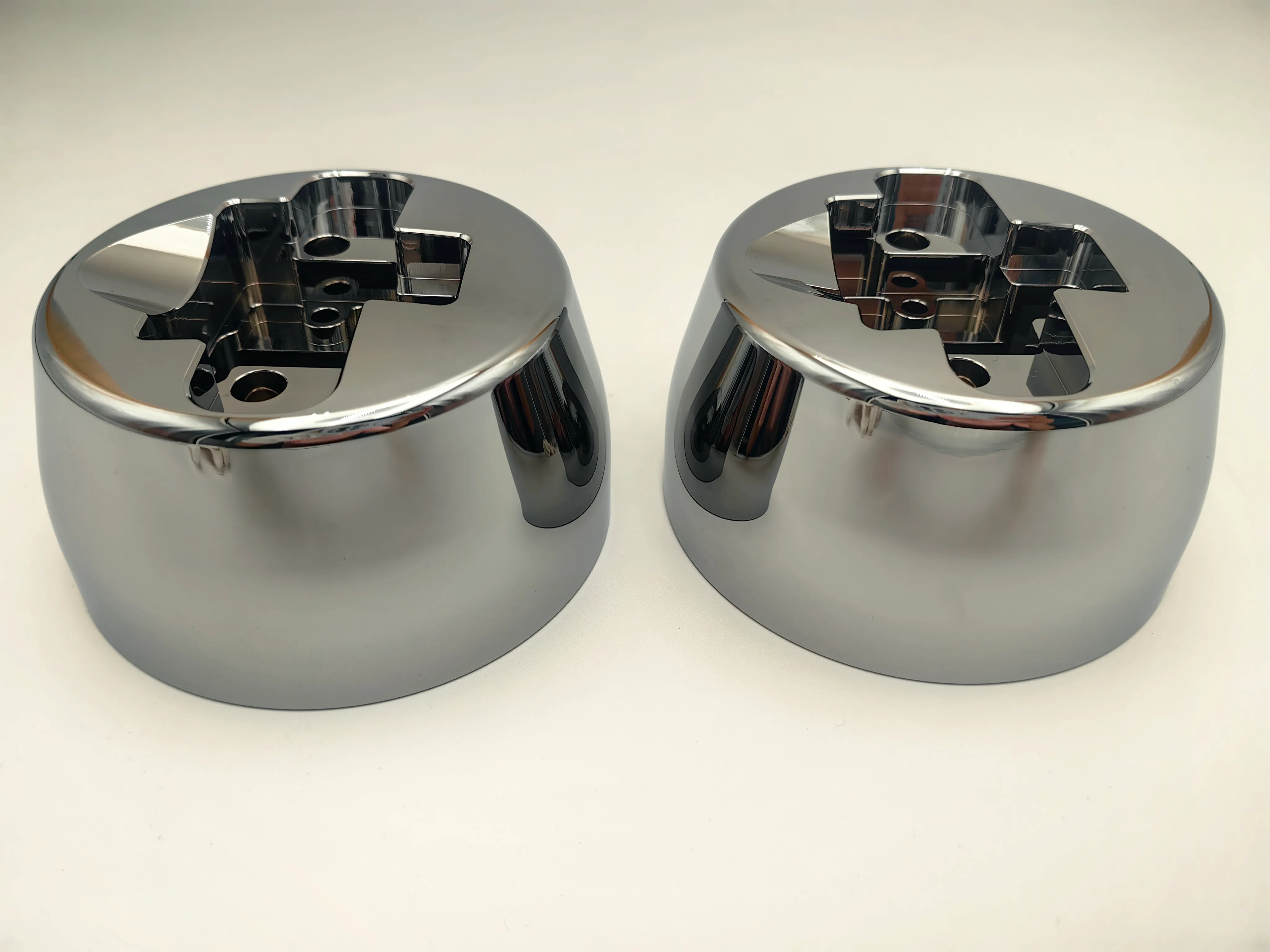
Superior Aesthetics

Transforms dull or heavily machined surfaces into stunning, highly reflective mirror finishes, perfect for luxury goods and consumer products.

Optical Clarity

Essential for transparent plastics like PMMA (Acrylic) and PC. Vapor polishing restores complete transparency for lenses and light guides.

Hygiene & Cleanability

Removes micro-crevices where bacteria can hide. Highly polished stainless steel is a strict requirement for food-grade and medical devices.

Friction Reduction

Sub-micron surface roughness significantly reduces friction and wear between dynamic moving components in mechanical assemblies.
Finishing Grades & Roughness (Ra)

We adhere to stringent international finishing standards, ensuring your parts meet the exact optical and functional requirements specified in your engineering drawings.

Metal Finishes

Finish Level Ra Value (μm) Application
Smooth Machined 0.8 - 1.6 Standard CNC parts
Brush / Satin (#4) 0.4 - 0.8 Appliances, Enclosures
High Gloss 0.1 - 0.2 Medical, Decorative
Mirror Polish (#8) ≤ 0.05 Reflectors, Luxury

SPI Finishes (Plastics)

SPI Grade Process Result
SPI A-1 Grade #3 Diamond Super High Glossy / Lens
SPI A-2 Grade #6 Diamond High Glossy
SPI B-1 600 Grit Paper Medium Glossy
Vapor Polish Chemical Solvent 100% Optically Clear

Design & Tolerance Considerations

Unlike coating processes, polishing removes material. It is critical to account for this during the DFM phase, especially for precision machined components.

Dimensional Impact

Mechanical polishing involves abrasive buffing, which inherently removes a thin layer of material. We recommend leaving extra stock on features that require high-gloss polishing.

  • Material Removed: Typically 0.02mm - 0.05mm depending on the required finish grade.
  • Sharp Edges: Hard 90° edges will naturally become slightly rounded (radiused) during buffing.
  • Masking: If critical tight-tolerance dimensions (like bearing bores) must be preserved, they must be masked and left unpolished.

Geometric Accessibility

Hand and mechanical polishing rely on physical access to the surface. Certain complex geometries are difficult or impossible to polish perfectly.

  • Deep Pockets: Bottom corners of deep, narrow pockets are extremely hard to reach with buffing wheels.
  • Internal Channels: Cannot be mechanically polished. (Consider electropolishing for internal metal features).
  • Vapor Polishing: Solves accessibility issues for plastics like Polycarbonate, as the solvent vapor can reach internal threads and deep cavities.
Get Your Answers

Polishing RFQ & FAQs

Common questions regarding our finishing processes for machined and molded components.

Which plastics are suitable for Vapor Polishing?

Vapor polishing works exceptionally well on Polycarbonate (PC), Polysulfone (PSU), and Ultem (PEI). It melts the surface slightly using a chemical vapor, removing CNC marks and turning opaque machined plastics instantly into glass-like, optically clear parts.

What metals polish the best?

Stainless steel (304/316) and Aluminum (6061) are excellent candidates for high-gloss and mirror finishes. Brass and Copper also polish beautifully, though they often require a clear protective coat afterward to prevent natural tarnishing/oxidation.

How does polishing affect my lead time?

Standard brushing or light polishing adds about 1-2 days to machining orders. High-grade mirror polishing (SPI A-1 or Metal #8) is a labor-intensive manual process that may add 3-5 days depending on part complexity and volume.

Ready for a Mirror Finish?

Quote Machining & Polishing

Upload your 3D CAD files today. Specify your required Ra value or SPI finish grade, and our engineers will provide a comprehensive DFM review and pricing within 24 hours.