CNC Machining
Polypropylene
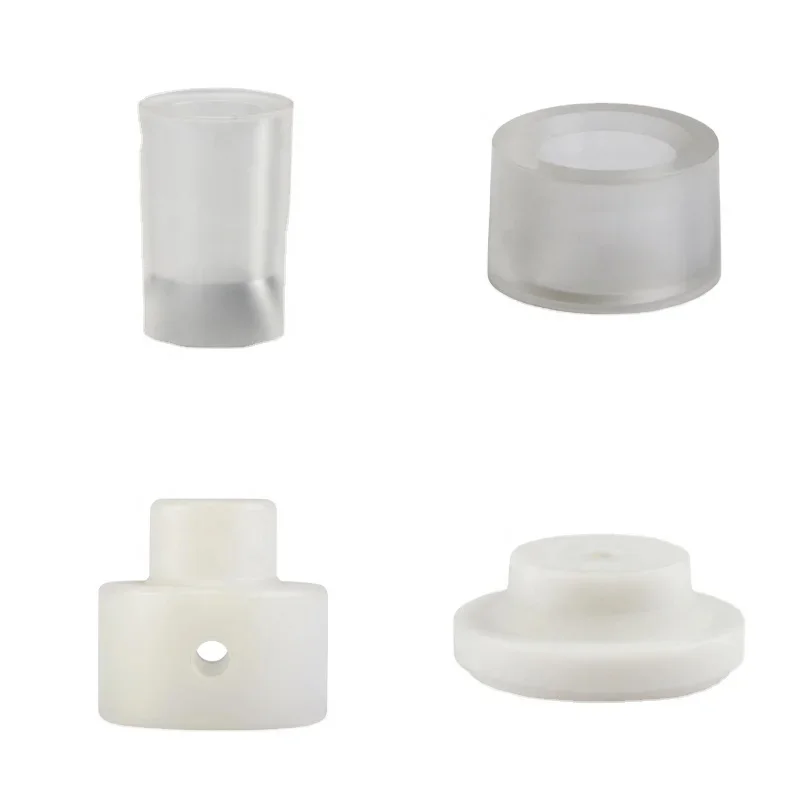
Polypropylene (PP) is a highly versatile, lightweight thermoplastic renowned for its extraordinary resistance to corrosive chemicals, acids, and organic solvents. Boasting virtually zero moisture absorption and excellent fatigue resistance, it is the premier material for semiconductor wet benches, chemical fluid manifolds, and medical devices.
Core Mechanical Properties
Polypropylene is one of the lightest engineering plastics available. While it is relatively soft, its high toughness and chemical inertness make it indispensable in extreme industrial environments.
| Property | Typical Value | Key Benefit |
|---|---|---|
| Chemical Resistance | Exceptional | Highly resistant to strong acids, bases, and organic solvents. Will not degrade in harsh chemical washdowns. |
| Density | ~ 0.90 g/cm³ | Lighter than water (it floats). Drastically reduces the overall weight of large structural assemblies. |
| Moisture Absorption | < 0.01% | Virtually zero. Ensures tight dimensional tolerances are maintained even when completely submerged in fluids. |
| Fatigue Resistance | Very High | Maintains its shape and strength after repeated torsion, bending, or flexing. |
Material Comparison: PP vs HDPE
Polypropylene (PP) and High-Density Polyethylene (HDPE) are both polyolefins and look very similar. Choosing between them depends entirely on your thermal and structural requirements.
| Feature | Polypropylene (PP) | HDPE |
|---|---|---|
| Stiffness & Rigidity | Stiffer and harder | Softer and more flexible |
| Temperature Range | Up to 80°C - 100°C (Autoclavable) | Better for extreme cold / freezing |
| Impact Resistance | Good | Exceptional (Virtually unbreakable) |
| Machinability | Good (Tends to leave cleaner edges) | Fair (Can be extremely gummy) |
Application Fit Matrix
Polypropylene is a lightweight chemical-resistant plastic for fluid handling, lab equipment, and simple fixtures in corrosive environments.
| Application | Recommended Material | Why This Material Works | Typical CNC Process | Finish / Risk Note |
|---|---|---|---|---|
| Chemical Manifold Blocks | PP | Good resistance to many acids and bases. | Milling, drilling, porting | Pressure and thread design need review. |
| Lab Fixtures & Holders | PP | Chemical-resistant and lightweight. | Milling, drilling, slotting | Avoid thin cantilevered features that creep. |
| Tank Fittings & Adapters | PP | Compatible with many storage and transfer systems. | Turning, threading, boring | Use generous thread engagement. |
| Food Processing Guides | PP | Low density and food-grade availability. | Milling, routing, drilling | Confirm compliance for contact parts. |
| Simple Covers & Splash Shields | PP Sheet | Tough enough for light chemical-area protection. | Routing, trimming, countersinking | PP is difficult to glue; plan fastening or welding. |
Selection Rule
Match the grade to the part's real job first: strength, heat, wear, corrosion, insulation, transparency, or cosmetic finish.
DFM Reminder
Material choice changes tolerance risk, burr control, wall thickness, thread strategy, and finishing route.
Quote Tip
Share the operating environment, mating parts, finish expectations, and inspection requirements with the drawing.
Expert Machining Tips
Polypropylene is highly ductile and prone to localized melting. Machining it requires strategies designed specifically for soft, low-density thermoplastics to prevent smearing and deformation:
- 1
Aggressive Chip Evacuation
PP produces long, continuous, stringy chips that wrap around tooling and instantly re-weld to the surface if they get hot. We utilize aggressive air blasts and specific peck cycles to force chips away from the cutting zone immediately.
- 2
Low-Stress Workholding
Because PP is very soft and lightweight, clamping it tightly in a standard vise will crush the material, causing it to spring back out of tolerance when released. We utilize vacuum tables, custom soft jaws, or double-sided tape for distortion-free clamping.
- 3
High-Rake "O-Flute" Tooling
Standard metal-cutting end mills will rub and melt PP. We strictly use highly polished, single-flute or double-flute carbide router bits with high positive rake angles to cleanly slice the plastic like a razor blade.
Machining FAQs
Understanding the distinct physical and chemical nature of Polypropylene is vital for designing successful parts and assemblies.
Can machined Polypropylene be glued or painted?
No. Polypropylene has a remarkably low "Surface Energy" (similar to Teflon), meaning absolutely nothing wants to stick to it. Standard glues, epoxies, and paints will simply peel off. Assemblies must be designed for mechanical fastening (screws/inserts) or require specialized hot-gas plastic welding.
Is CNC machined PP food and medical safe?
Yes. Natural (White/Translucent) Polypropylene is generally FDA compliant, non-toxic, and physiologically inert. Because it can withstand temperatures up to 120°C, it is one of the most cost-effective materials for components that must be regularly steam-sterilized (autoclaved).
What tolerances can you hold on PP?
Due to its high coefficient of thermal expansion and its soft, flexible nature, PP cannot hold the ultra-tight tolerances of metals or rigid plastics like PEEK. Engineers should design PP parts with slightly looser tolerance bands (typically ±0.1mm to ±0.15mm) to account for environmental temperature shifts.
Start Your Manufacturing RFQ
Upload your 3D CAD files today. Our engineers will review your chemical-resistant plastic specifications, provide a free DFM report, and return an accurate quote within 24 hours.