Tool Steel CNC Machining Services
D2, A2, O1, H13 and P20 Parts
Tool steel is selected because the part must survive wear, impact, heat or production contact. The drawing should not just name D2 or H13; it should tell us hardness, heat treatment and which surfaces are finished after hardening.
Best fit
mold inserts, punches, dies, wear blocks, guide rails and locators
Common grades
D2, A2, O1, H13 and P20
Watch point
hardness, distortion, grind stock and sharp internal corners
Typical route
rough machine, heat treat, EDM or grind, then finish inspect
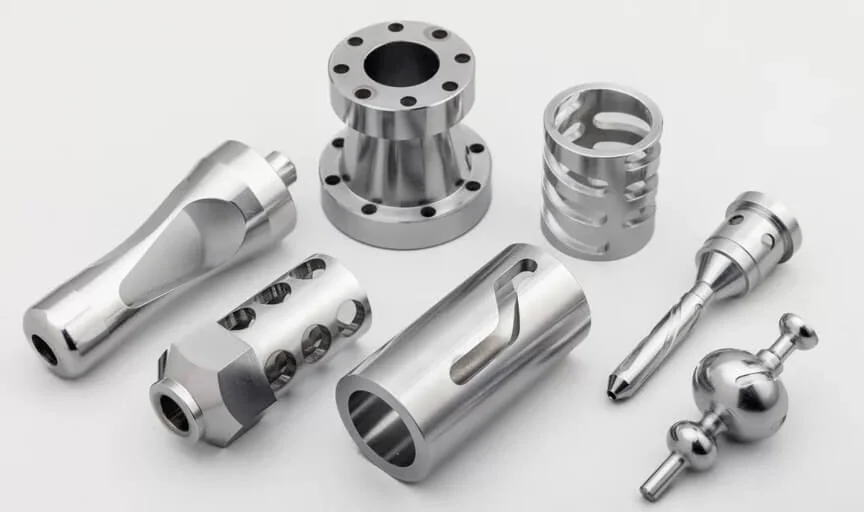
Tool Steel Grades For CNC Machining
Tool steel performance depends heavily on heat treatment. A grade table is only useful when the target hardness and service condition are known.
| Grade | Yield Strength | Tensile Strength | Hardness |
|---|---|---|---|
| D2 Tool Steel | ~ 1530 MPa | ~ 1900 MPa | 58-62 HRC |
| A2 Tool Steel | ~ 1500 MPa | ~ 1860 MPa | 57-62 HRC |
| H13 Tool Steel | ~ 1380 MPa | ~ 1700 MPa | 46-52 HRC |
| P20 Tool Steel | ~ 965 MPa | ~ 1080 MPa | 28-34 HRC |
International Grade Comparison
D2, A2, O1, H13 and P20 are chosen for different failure modes. Wear resistance, impact toughness and heat exposure should drive the selection.
| ASTM / AISI / UNS | DIN / EN | GB | Engineer Note |
|---|---|---|---|
| D2 | 1.2379 / X153CrMoV12 | Cr12Mo1V1 | High wear resistance for punches, dies and cutting edges, but not the toughest choice for impact. |
| A2 | 1.2363 / X100CrMoV5 | Cr5Mo1V | Balanced air-hardening tool steel for wear and toughness. |
| H13 | 1.2344 / X40CrMoV5-1 | 4Cr5MoSiV1 | Hot-work tool steel for molds, die casting, extrusion and thermal cycling. |
| P20 | 1.2311 / 40CrMnMo7 | 3Cr2Mo | Pre-hardened mold steel for plastic molds and tooling where full hardening is not needed. |
Application Fit Matrix
Tool steel is selected for components that must survive wear, impact, heat, or repeated production contact after heat treatment.
| Application | Recommended Material | Why This Material Works | Typical CNC Process | Finish / Risk Note |
|---|---|---|---|---|
| Mold Inserts & Core Pins | H13 or P20 Tool Steel | Thermal fatigue resistance and toughness for molding cycles. | Milling, EDM, grinding | Plan heat treatment and final grinding with tolerance stack-up. |
| Punches & Dies | D2 or A2 Tool Steel | High wear resistance keeps cutting edges stable. | Milling, wire EDM, grinding | Radius stress points; D2 can be brittle. |
| Wear Blocks & Guide Rails | O1, A2, or D2 Tool Steel | Hardened surfaces resist abrasion and sliding contact. | Milling, heat treat, grinding | Leave grind stock after hardening. |
| Hot Work Tooling | H13 Tool Steel | Maintains toughness under repeated heat exposure. | Milling, drilling, EDM | Proper heat treatment prevents cracking. |
| Precision Locators & Gauges | O1 or A2 Tool Steel | Can be hardened and ground for durable references. | Milling, turning, grinding | Allow for movement during heat treatment. |
Selection Rule
Match the grade to the part's real job first: strength, heat, wear, corrosion, insulation, transparency, or cosmetic finish.
DFM Reminder
Material choice changes tolerance risk, burr control, wall thickness, thread strategy, and finishing route.
Quote Tip
Share the operating environment, mating parts, finish expectations, and inspection requirements with the drawing.
What We Check Before Cutting Tool Steel
Tool steel rewards planning and punishes heroic finishing. Decide what gets machined soft, what gets hardened and what gets ground.
- 1
Leave Grind Stock On Critical Faces
If the part is hardened, final flatness and fit surfaces should often be ground or finish-machined after heat treatment.
- 2
Radius Stress Corners
Sharp internal corners are crack starters, especially after hardening. Add radii wherever the tool function allows.
- 3
Separate Wear And Toughness Needs
D2 is not automatically better because it is hard. If impact is the problem, a tougher grade may last longer.
Surface Treatments That Actually Fit
Tool steel finishing usually supports wear, corrosion control or release behavior in a mold.
1. Grinding
The standard route for tight flatness, parallelism and hardened functional faces.
2. Nitriding
Adds surface hardness and wear resistance with relatively low distortion when the grade and application fit.
3. Black Oxide or PVD
Used for corrosion control, appearance or wear reduction depending on the tooling environment.
Send The Details That Change The Quote
Send grade, target hardness, heat treatment standard, grind stock, EDM surfaces and the wear or impact condition the tool will see.
Material condition
Name the exact grade, stock condition and certificate requirement. The same alloy can machine and perform differently after heat treatment, aging or cold work.
Functional features
Flag threads, bearing bores, sealing faces and mating materials. These features determine the machining sequence, surface requirement and inspection plan.
Finish and release
Include coating, masking, cosmetic zones and report needs in the controlled RFQ so finished dimensions and acceptance criteria are aligned before production.