Environment
List sustained temperature, chemicals, sterilization and outdoor exposure. These conditions quickly eliminate otherwise familiar plastics.
We machine custom plastic parts in PEEK, POM/Delrin, nylon, PTFE, ABS, acrylic and other engineering polymers. Material behavior, wall thickness, internal stress, moisture and inspection conditions are reviewed before a tolerance is committed; rigid, stable geometries may support tolerances down to ±0.05mm.
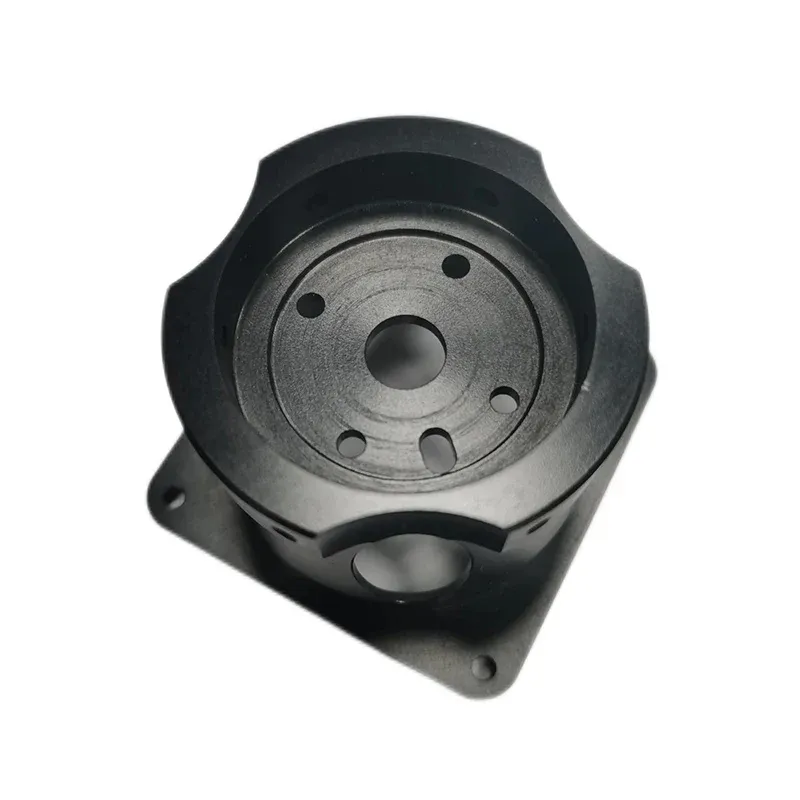
POM-H (Delrin) / POM-C (Copolymer)
The machinist's dream plastic. Offers high stiffness, low friction, and exceptional dimensional stability. The benchmark material for precision gears and manifolds.
View Specs & Capabilities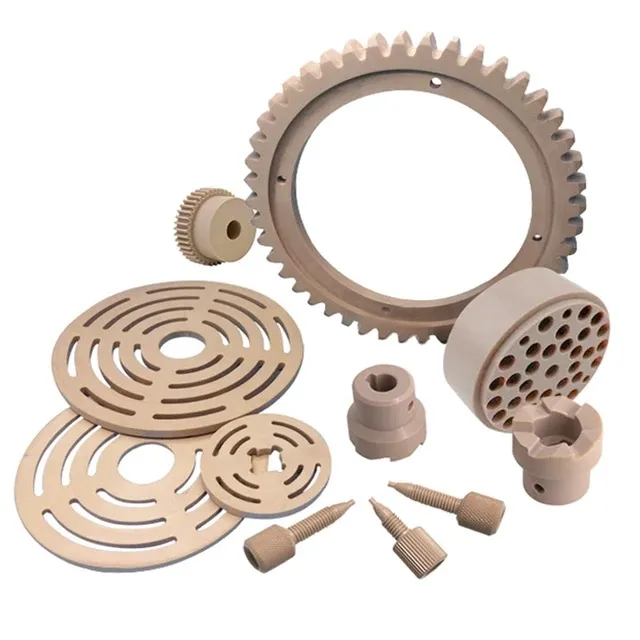
Unfilled / GF30 / CF30 / Bearing Grade
The pinnacle of high-performance polymers. Withstands 250°C (482°F) continuous use. Extensively machined for aerospace structural components and medical implants.
View Specs & Capabilities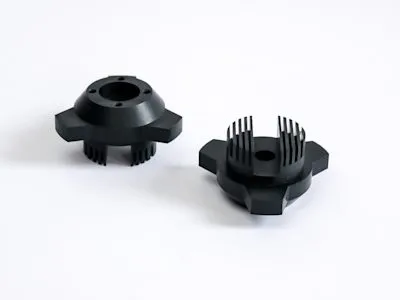
General Purpose / Flame Retardant / High-Heat
Highly machinable and impact-resistant. The most cost-effective thermoplastic for functional prototyping, electronic enclosures, and snap-fit assemblies.
View Specs & Capabilities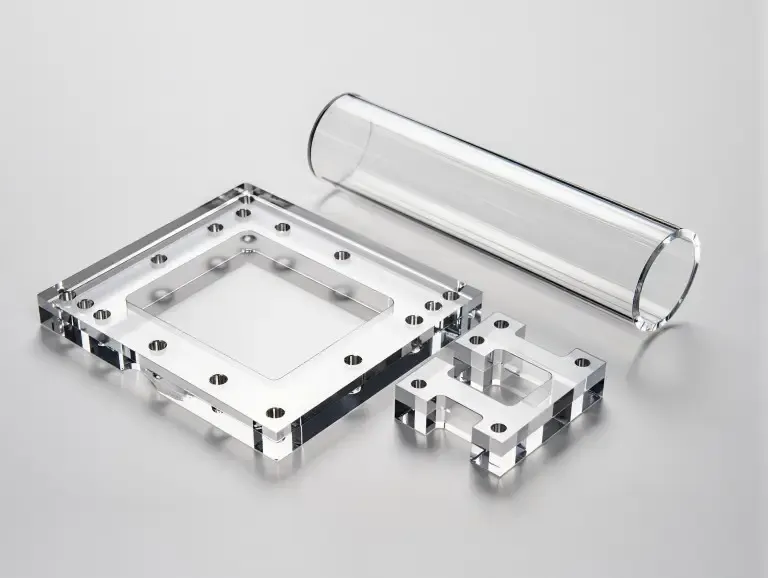
Extruded / Cast PMMA
Delivers an astonishing 92% light transmission. Expertly CNC milled and vapor-polished for microfluidic medical manifolds, light guides, and optical lenses.
View Specs & Capabilities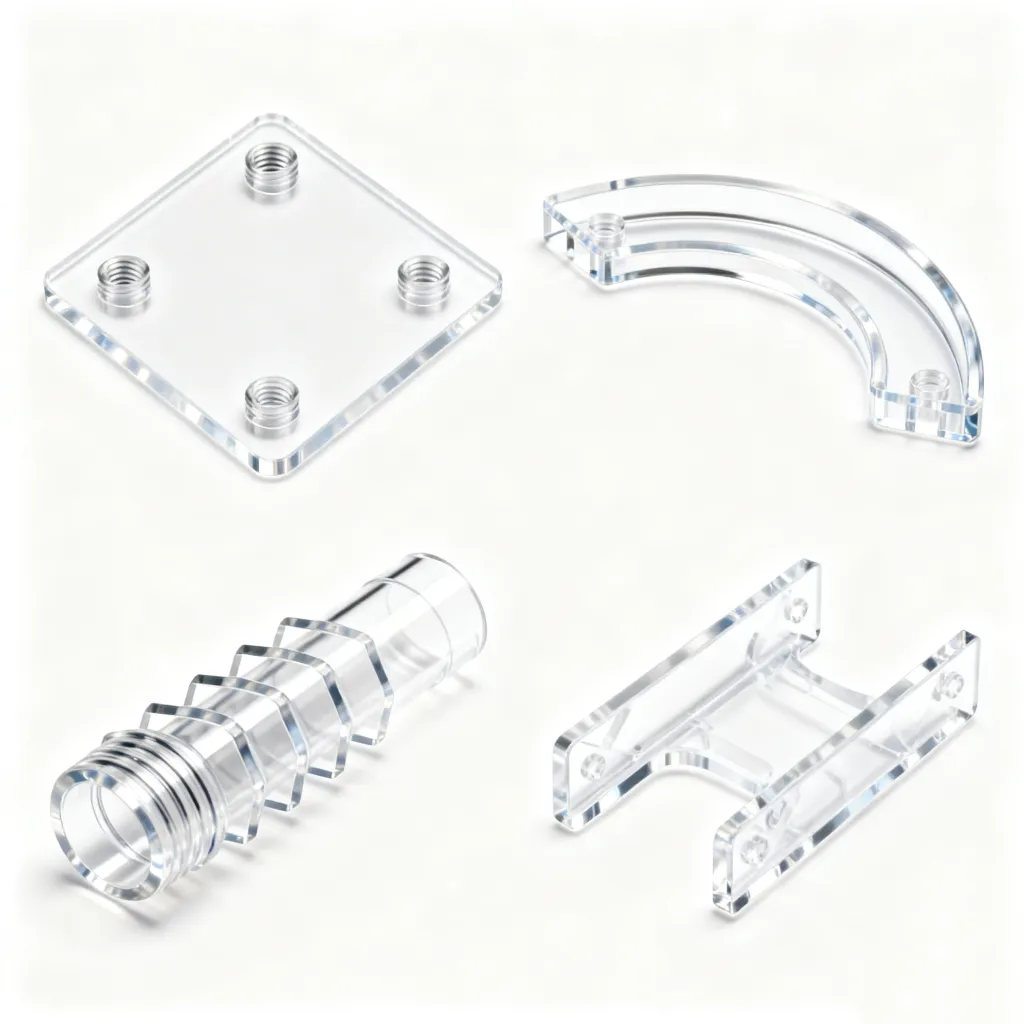
Lexan / Makrolon / PC-GF30
Features impact resistance 250 times greater than glass. The ultimate transparent choice for bullet-resistant sight glasses, machine guards, and high-pressure fluid manifolds.
View Specs & Capabilities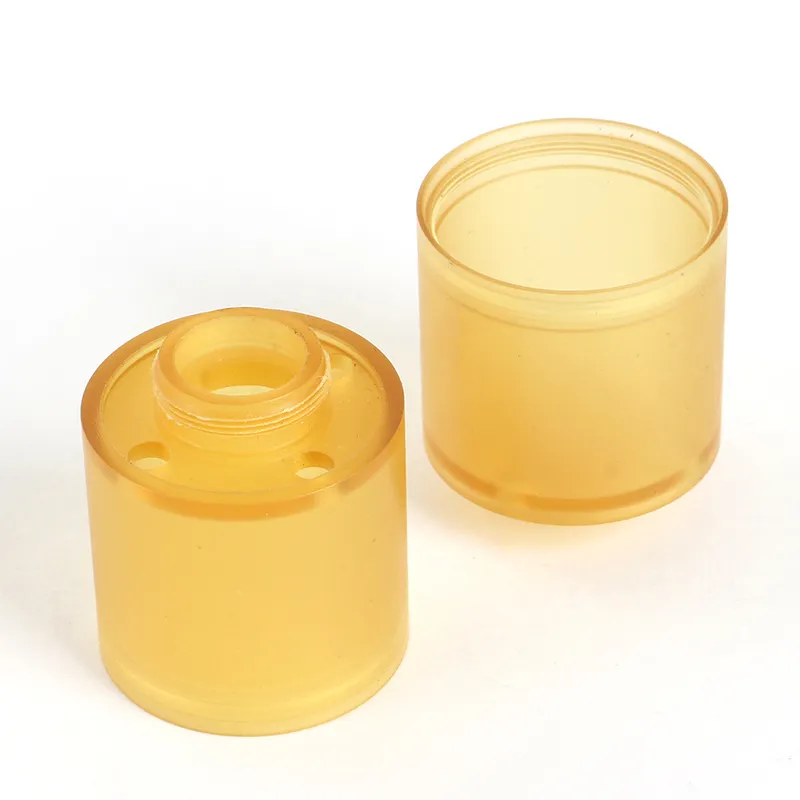
Ultem 1000 / Ultem 2100 / Ultem 2300
An advanced amorphous thermoplastic with a 170°C rating. Inherently flame retardant (UL94 V-0). The uncompromising standard for aerospace interiors and medical instruments.
View Specs & Capabilities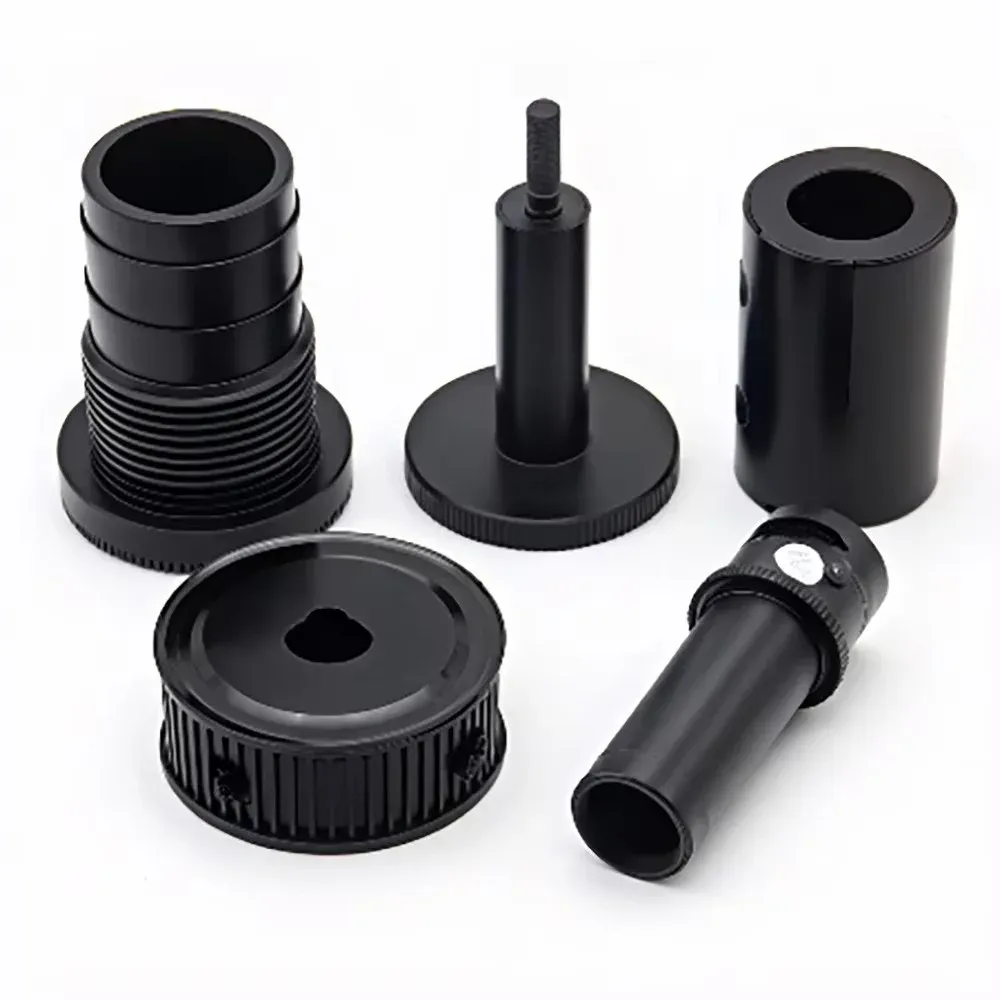
PA6 / PA66 / PA66-GF30
Renowned for its toughness and self-lubricating properties. Widely used to replace metal in heavy-duty power transmission gears, pulleys, and sliding wear pads.
View Specs & Capabilities.BOwkXiOZ_1hXvQT.webp)
Virgin PTFE / Glass-Filled / Carbon-Filled
Provides the lowest coefficient of friction of any solid material. Absolutely chemically inert. Precision turned for high-performance seals, O-rings, and dry-running bearings.
View Specs & Capabilities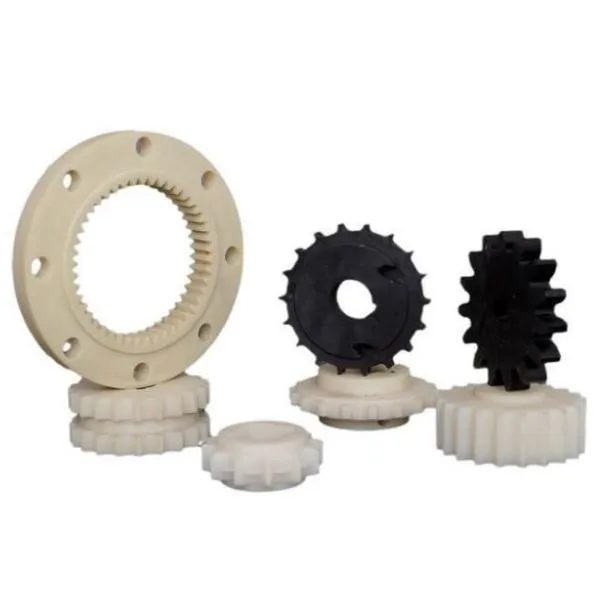
HDPE / UHMW-PE
Features extreme wear resistance and virtually zero moisture absorption. The undisputed choice for packaging conveyor star wheels, food processing guides, and marine wear strips.
View Specs & Capabilities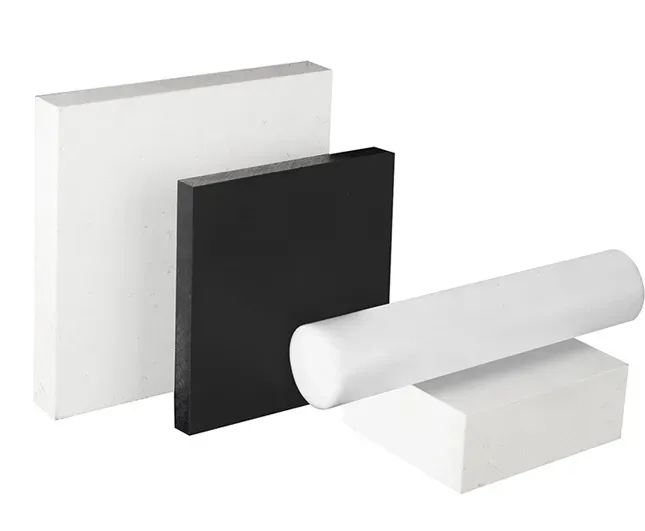
Unfilled PET / PET-TX (Lubricated)
Offers superior dimensional stability compared to Nylon due to its extremely low moisture absorption. FDA compliant for food and beverage processing machinery.
View Specs & Capabilities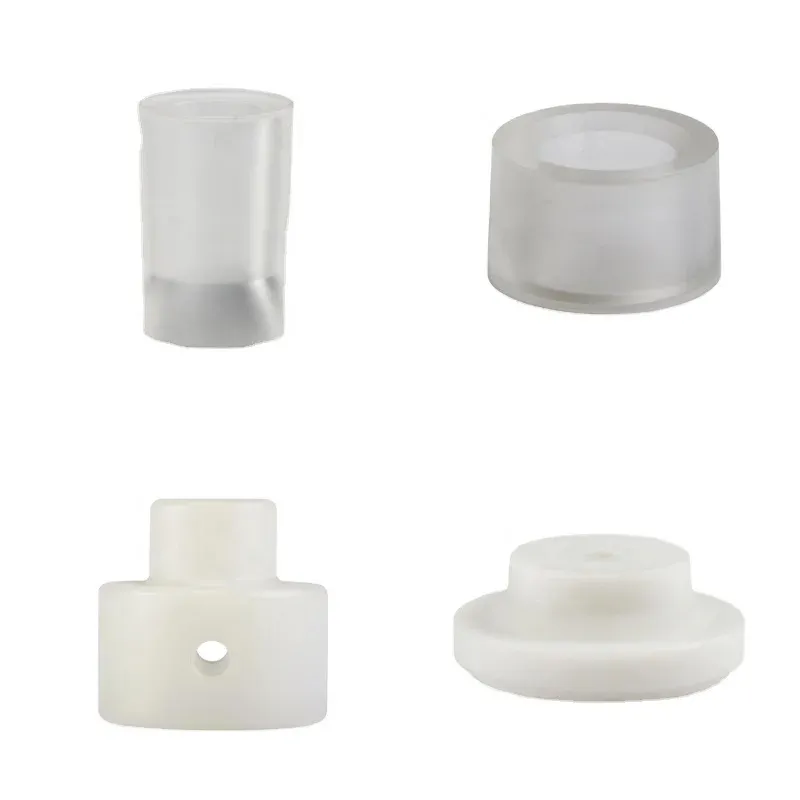
Homopolymer / Copolymer
Highly versatile and lightweight (density < 1.0). Delivers extraordinary resistance to corrosive acids, making it essential for semiconductor wet benches and chemical valves.
View Specs & Capabilities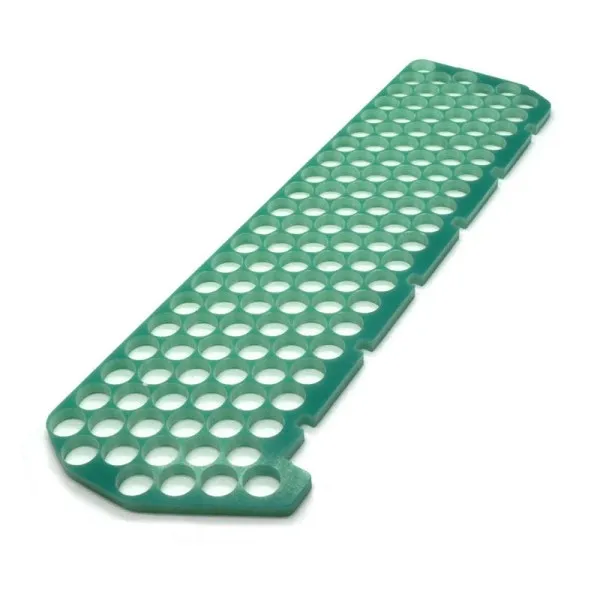
FR4 (UL94 V-0)
A woven fiberglass and epoxy resin composite. Offers immense structural rigidity and ultimate dielectric strength. Expertly milled with PCD tooling for PCB test fixtures.
View Specs & Capabilities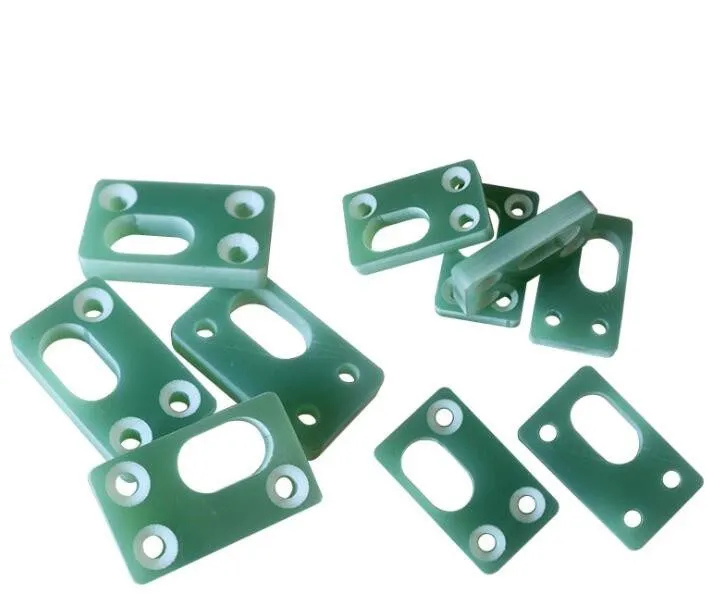
Garolite G-10 (Halogen-Free)
Structurally identical to FR4 but without the flame-retardant bromine additives. Maintains immense strength in deep-freeze cryogenic and extreme marine environments.
View Specs & Capabilities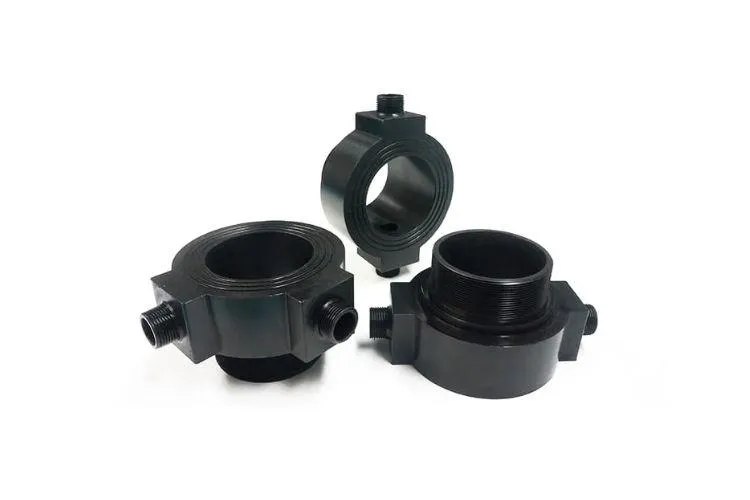
Radel
An elite medical-grade plastic. Boasts virtually unbreakable impact strength and can withstand 1,000+ steam autoclave cycles without degrading. Ideal for surgical tools.
View Specs & Capabilities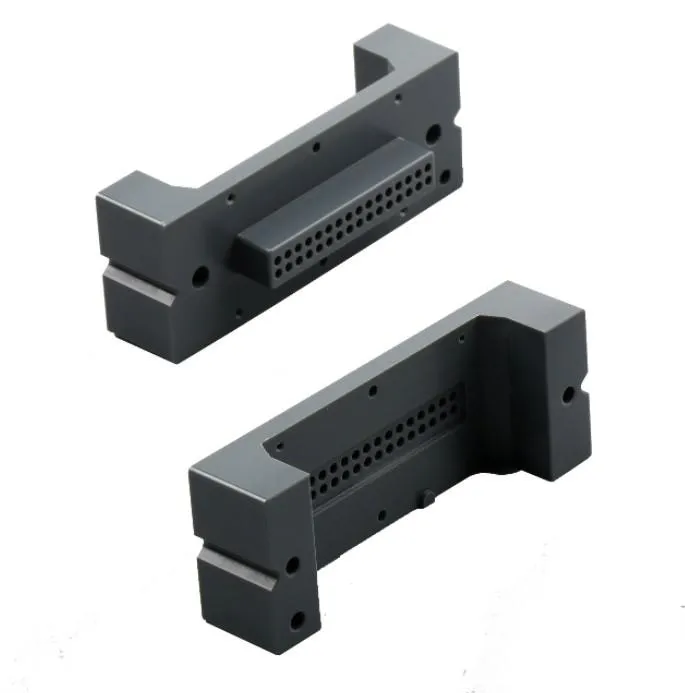
Rigid PVC (Type 1) / CPVC
Highly cost-effective, rigid, and inherently flame retardant. CNC machined into complex fluid routing manifolds, electrical connector housings, and water treatment parts.
View Specs & CapabilitiesUse these tools to narrow material fit, check finish impact, and move from browsing material families to a more confident RFQ.
Compare common CNC metals and plastics by strength, corrosion resistance, weight, finish compatibility, and budget.
Open ToolNarrow anodizing, passivation, polishing, powder coating, sandblasting, and other finish options for machined parts.
Open ToolCheck common metric, UNC, UNF, and NPT thread references before machining drawings or RFQ review.
Open ToolProcess complex geometries in a single setup. Ideal for intricate PEEK aerospace brackets, medical enclosures, and multi-sided fluid routing manifolds.
Learn MillingUtilizing high-speed lathes with positive-rake tooling to turn concentric PTFE seals, nylon gears, and Delrin bearings without distorting the material.
Learn TurningBeyond thermal annealing to relieve internal stress, we offer vapor polishing to restore optical clarity on machined acrylic and polycarbonate components.
Explore FinishesA useful polymer recommendation balances temperature, chemical exposure, load, moisture, electrical behavior and the tolerance that matters after machining. Start with the functional environment, then confirm the grade and stock form.
List sustained temperature, chemicals, sterilization and outdoor exposure. These conditions quickly eliminate otherwise familiar plastics.
Flag thin walls, long bores, press fits and moisture-sensitive features. Plastic expansion and stress relief need a different tolerance strategy from metal.
Specify color, grade, filler, material certificate, cleaning and cosmetic requirements before production. Similar-sounding polymers are not always equivalent.
Yes. We use thermal annealing for stress-sensitive plastics such as PEEK, Ultem, and polycarbonate to reduce warping, cracking, and dimensional drift during machining.
For rigid plastics such as Delrin and PEEK we typically hold ±0.05mm. For softer or moisture-sensitive plastics such as UHMW, PTFE, and Nylon, we recommend ±0.1mm to ±0.15mm.
Yes. We use vapor polishing to restore transparency on machined acrylic and polycarbonate parts where optical clarity matters.
Material choice depends on friction, heat, chemical exposure, impact, and transparency requirements. Our engineering team can recommend the right polymer grade during DFM review.
Upload your 3D CAD files today. Our engineers will review your material specifications, provide a free DFM report, and return an accurate quote within 24 hours.