Alloy Steel CNC Machining Services
4140, 4340 and 8620 Parts
Alloy steel is the material I reach for when the part is going to see torque, impact or fatigue and mild steel is no longer honest. The machining plan should be built around the final condition: annealed, pre-hard, case hardened or through hardened.
Best fit
shafts, pins, gears, fixtures and pressure-bearing parts
Common grades
4140, 4340, 8620 and pre-hardened alloy steel
Watch point
heat treatment movement and grinding allowance
Typical route
rough machine, heat treat, finish machine or grind
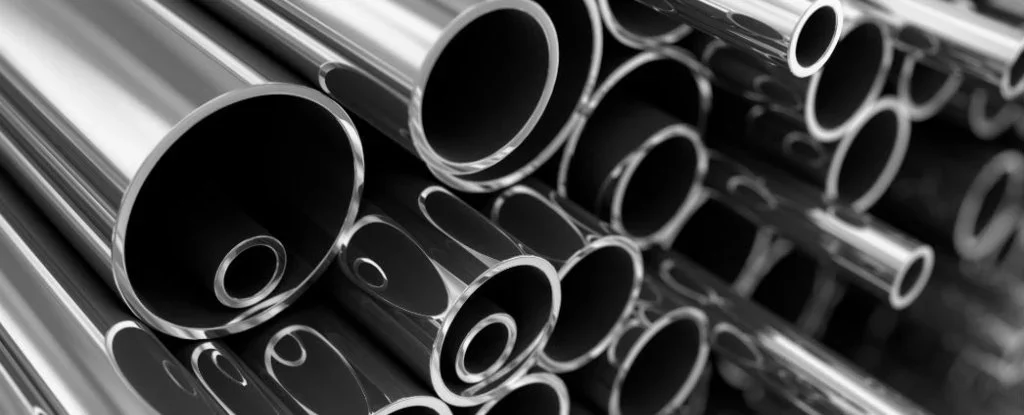
Alloy Steel Grades For CNC Machining
The number that matters is rarely strength alone. For alloy steel, confirm the required hardness and whether the drawing dimensions apply before or after heat treatment.
| Grade | Yield Strength | Tensile Strength | Hardness |
|---|---|---|---|
| 4140 Alloy Steel | ~ 655 MPa | ~ 1020 MPa | ~ 28-32 HRC |
| 4340 Alloy Steel | ~ 740 MPa | ~ 1080 MPa | ~ 30-34 HRC |
| 8620 Alloy Steel | ~ 385 MPa | ~ 530 MPa | Case hardenable |
International Grade Comparison
These equivalencies help with sourcing, but do not treat them as automatic substitutions. Chemistry, heat treatment and cert requirements still need to match the drawing.
| ASTM / AISI / UNS | DIN / EN | GB | Engineer Note |
|---|---|---|---|
| AISI 4140 | 42CrMo4 / 1.7225 | 42CrMo | Good all-around alloy steel for shafts, pins and fixtures where toughness and heat treatment response matter. |
| AISI 4340 | 34CrNiMo6 / 1.6582 | 40CrNiMoA | Higher toughness than 4140, useful for severe fatigue or shock loading when cost is justified. |
| AISI 8620 | 20NiCrMo2-2 / 1.6523 | 20CrNiMo | Case-hardening steel with a tough core, commonly used for gears, splines and wear surfaces. |
Application Fit Matrix
Use this matrix to decide where alloy steel is worth the added machining and heat-treatment complexity compared with mild steel or stainless steel.
| Application | Recommended Material | Why This Material Works | Typical CNC Process | Finish / Risk Note |
|---|---|---|---|---|
| Power Transmission Gears | 4140 / 8620 Alloy Steel | High fatigue strength and case-hardening potential support loaded tooth contact. | Turning, gear milling, heat treat, grinding | Leave grinding allowance after heat treatment for final tooth accuracy. |
| Driveshafts & Splined Shafts | 4140 / 4340 Alloy Steel | Tough core strength resists torsion, shock load, and cyclic fatigue. | Turning, spline milling, thread cutting | Specify hardness range and straightness after heat treatment. |
| Hydraulic Valve Bodies | 4140 Pre-Hardened | Strong pressure-bearing body material with better durability than low-carbon steel. | Milling, deep drilling, port machining | Intersecting holes must be deburred to protect seals and flow paths. |
| Tooling, Fixtures & Locators | 4140 Pre-Hardened or 4340 | Good toughness and wear resistance for production support hardware. | Milling, drilling, reaming | Use hardened inserts or bushings for repeated contact zones. |
| Heavy-Duty Pins & Bushings | 4140 / 4340 Alloy Steel | Higher shear strength and impact resistance than mild steel. | Turning, grooving, grinding as needed | Surface hardness, lubrication, and mating material drive service life. |
Selection Rule
Choose alloy steel when load, fatigue, impact, or heat treatment performance matters more than corrosion resistance.
DFM Reminder
Heat treatment can move dimensions, so precision alloy steel parts often need rough machining, hardening, then final grinding or finishing.
Quote Tip
Include grade, required hardness, heat-treatment condition, and whether final dimensions are before or after hardening.
What We Check Before Cutting Alloy Steel
Most alloy steel problems come from treating heat treatment as an afterthought. We plan the machining sequence around where the material will move.
- 1
Leave Real Stock For Heat Treat
If a shaft or gear needs hardening, do not finish every diameter before heat treat and hope it stays perfect. Leave grind or finish stock on the critical surfaces.
- 2
Call Out Hardness Clearly
A grade name is not enough. A 4140 part at 28 HRC and a 4140 part at 45 HRC are different machining jobs with different risk.
- 3
Protect Thread Strategy
For hardened alloy steel, we prefer thread milling or finishing threads after heat treatment when geometry allows. It avoids chasing distorted threads later.
Surface Treatments That Actually Fit
Surface treatment is usually about corrosion control or wear control. Pick it after the heat treatment route is settled.
1. Black Oxide
Useful for light corrosion resistance and a clean machine-tool look. It is not a heavy outdoor coating by itself.
2. Zinc or Nickel Plating
Better choice when the part will see handling, humidity or general industrial exposure.
3. Nitriding or Carburizing
Used when the surface needs wear resistance but the core must stay tough. Dimensional control must be planned early.
Send The Details That Change The Quote
Send the drawing with grade, hardness, heat treatment condition, critical fits and whether final inspection is before or after hardening.
Material condition
Name the exact grade, stock condition and certificate requirement. The same alloy can machine and perform differently after heat treatment, aging or cold work.
Functional features
Flag threads, bearing bores, sealing faces and mating materials. These features determine the machining sequence, surface requirement and inspection plan.
Finish and release
Include coating, masking, cosmetic zones and report needs in the controlled RFQ so finished dimensions and acceptance criteria are aligned before production.