CMM Verification
Coordinate measuring machines verify datum relationships, port positions, flatness, and assembly-critical industrial geometries.
HDProto machines industrial machinery components, hydraulic valve manifold blocks, structural housings, shafts, fixtures, and fluid power parts. We combine CNC milling, live-tool turning, deburring, cleaning, surface finishing, and CMM inspection for tight-tolerance production down to +/-0.01 mm where the design allows.
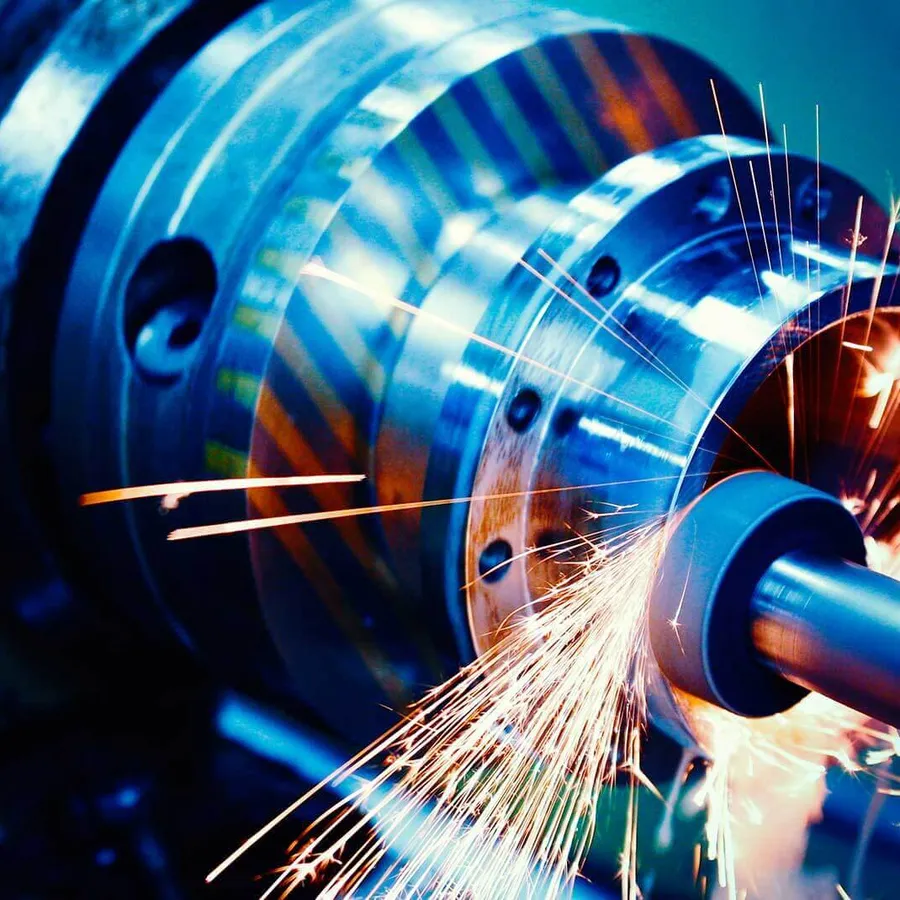
Industrial machinery parts often fail at interfaces: bores, sealing faces, shaft fits, threaded ports, and datum relationships. Our process focuses inspection on the features that control assembly, leakage, motion, and repeat production stability.
Explore QualityCoordinate measuring machines verify datum relationships, port positions, flatness, and assembly-critical industrial geometries.
MTC 3.1 material certificates can be supplied when industrial equipment, valve blocks, or fluid power parts require traceability.
FAI reports confirm production parameters before repeat machining, especially for manifold blocks, fixtures, and long-run parts.
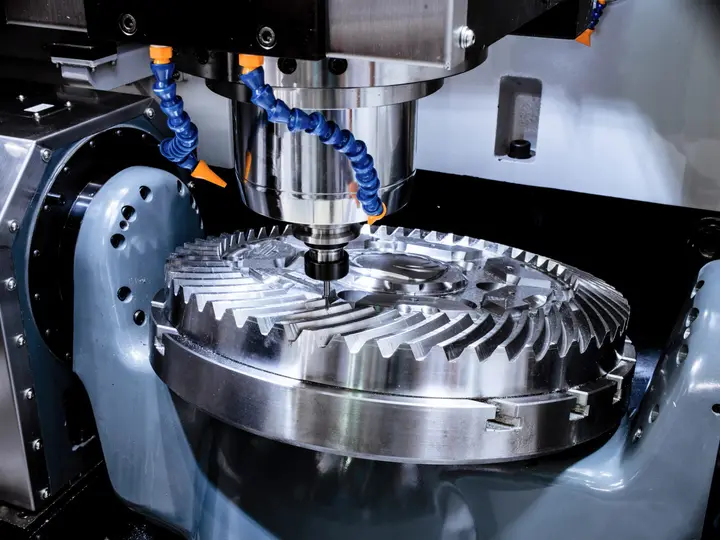
Advanced milling for structural components, hydraulic valve manifold blocks, frame structures, equipment plates and large housings with fewer setups.
Learn Milling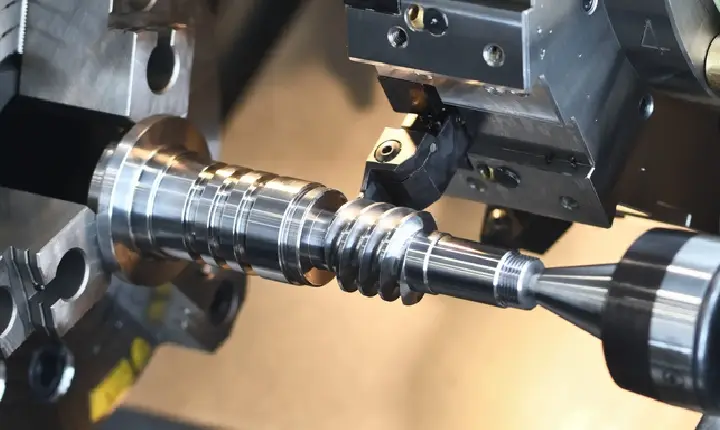
Turning with live tooling for shafts, sleeves, fittings, threaded ports, drivetrain elements and concentric industrial components.
Learn Turning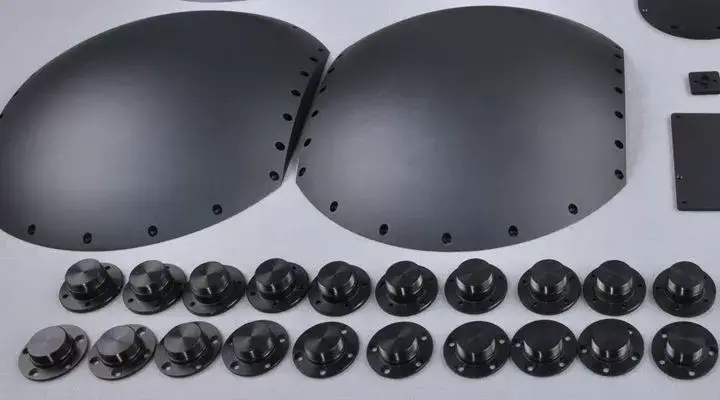
Deburring, anodizing, passivation, plating, black oxide, bead blasting and protective packing for industrial operating environments.
Explore FinishesValve blocks concentrate many risk features into a compact part: deep ports, internal intersections, threaded holes, seal-critical faces, and tight datum relationships. When production volume rises, small variations in tool wear, heat, breakthrough behavior, and manual deburring time can become expensive rework.
HDProto builds the process around stability first: CAM strategy, rigid tooling, defined deburring, cleaning checks, and inspection tied to the features that control leakage, assembly torque, and fluid routing.
| Material | Why It Is Used | Production Risk | Control First |
|---|---|---|---|
| Aluminum 6061 / 7075 | Lightweight valve bodies and fast cycle times | Intersection burrs, thread damage, handling marks | Chamfers, deburring route, port protection |
| Carbon steel | Strength, wear resistance, industrial durability | Tool wear, heat, dimensional drift | Tool-life rules, coolant, stable cutting data |
| Stainless steel 304 / 316 / 17-4 | Corrosion resistance for fluid power systems | Burrs, work hardening, heat at deep ports | Tool life, drill order, internal deburring |
| Engineering plastics | Corrosion resistance, insulation, weight reduction | Deformation and thread pullout | Workholding pressure and conservative threading |
Create reference faces early so port locations, sealing faces, and downstream setups remain repeatable.
Machine the main hydraulic network with controlled heat, chip evacuation, and allowance where finishing is needed.
Sequence cross holes to reduce burr size and keep access for internal deburring and cleaning.
Tap or thread-mill after geometry is stable, then standardize entry chamfers for assembly protection.
Finish sealing faces and grooves with controlled passes to reduce leak-path risk.
Clean internal passages, dry parts, cap ports, and protect edges before packing.
Hydraulic valve manifold block machining is the CNC milling, drilling, cross-drilling, threading, deburring, cleaning, and inspection of blocks that route hydraulic fluid between valves, pumps, cylinders, and actuators. The hardest features are internal intersections, threaded ports, sealing faces, and cleanliness requirements.
A manifold block can measure correctly but still cause hydraulic instability if burr fragments, chips, damaged chamfers, scratched seal faces, or contaminated passages remain inside the part. Cleanliness and edge condition matter as much as nominal dimensions.
Both methods can work. Tapping is efficient for stable, low-risk ports, while thread milling is better for critical ports, long runs, expensive materials, or features where tool breakage recovery and repeatability matter more than cycle time.
From hydraulic systems to production equipment, HDProto supports machined parts that need reliable assembly, repeatable dimensions, and practical inspection.
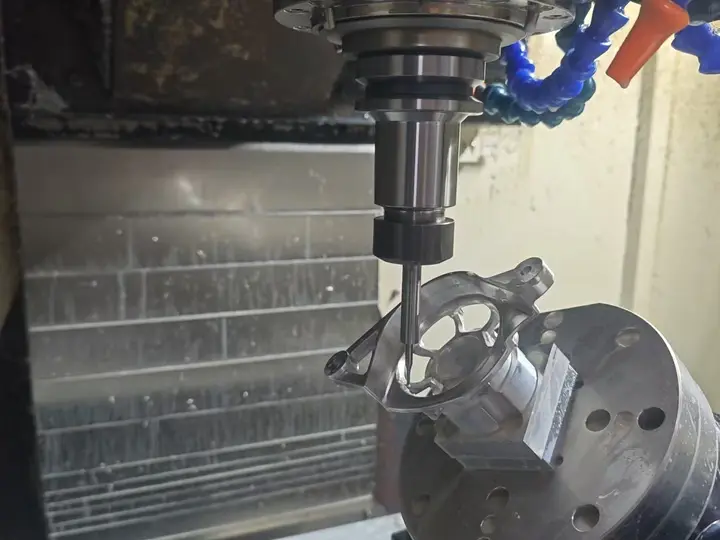
Machined parts for industrial equipment builds, including structural hardware, tooling elements, and equipment interfaces.
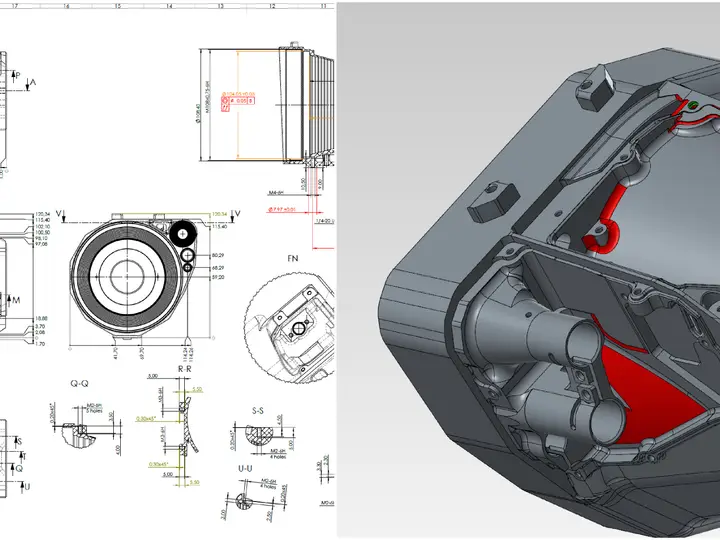
Custom machined parts with robust geometry for fixtures, automation lines, mechanical systems, and heavy-duty assemblies.
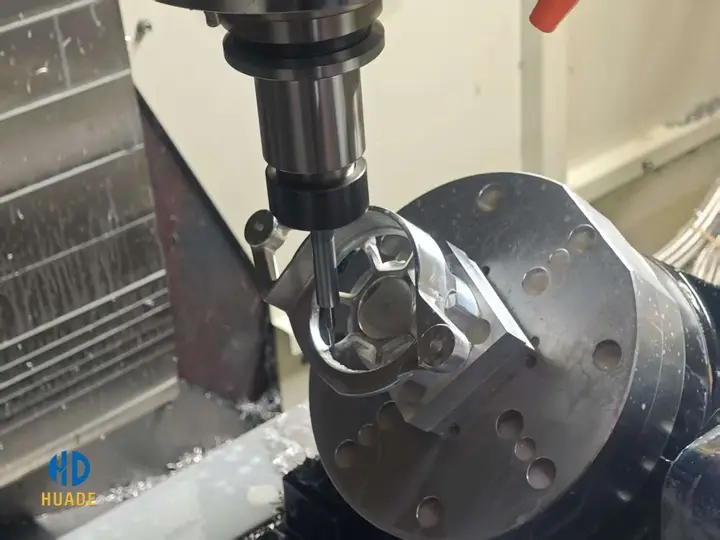
Representative milling work for large-format and precision machinery components with repeatable dimensional control.
Material selection affects machining time, burr behavior, thread life, corrosion resistance, and long-term equipment reliability. HDProto can help match alloy choice to pressure, wear, weight, temperature, and surface treatment requirements.
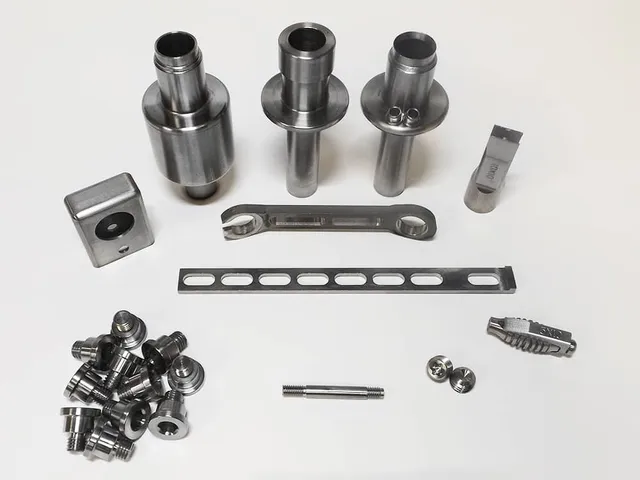
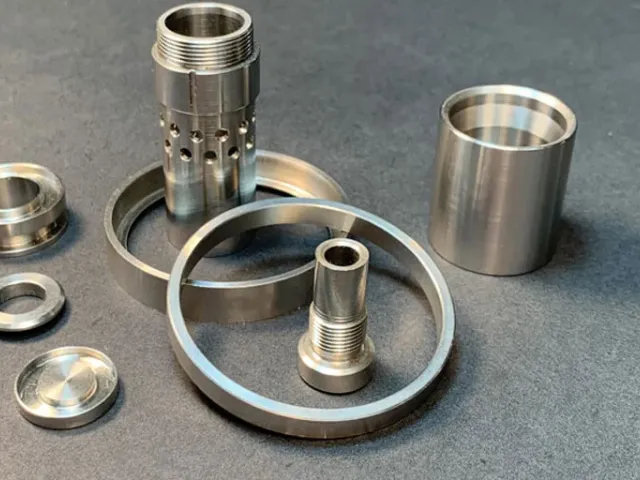
High strength-to-weight ratio for critical machinery parts, support structures and harsh industrial mechanisms.
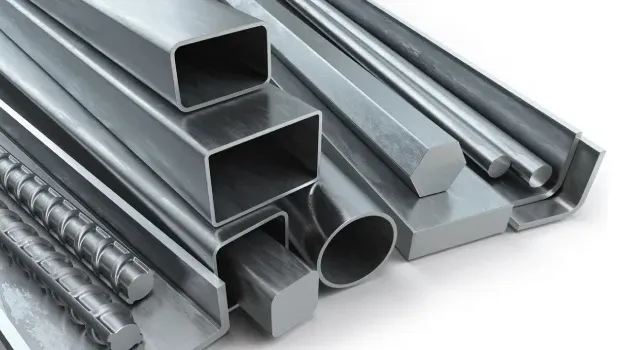
Heat and oxidation resistance for turbines, high-temperature equipment, and demanding industrial environments.
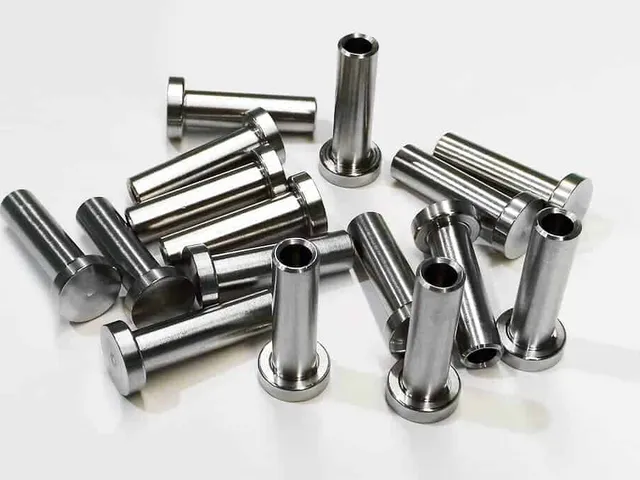
Fast-machining lightweight material for frames, control housings, fixtures, hydraulic blocks and equipment panels.
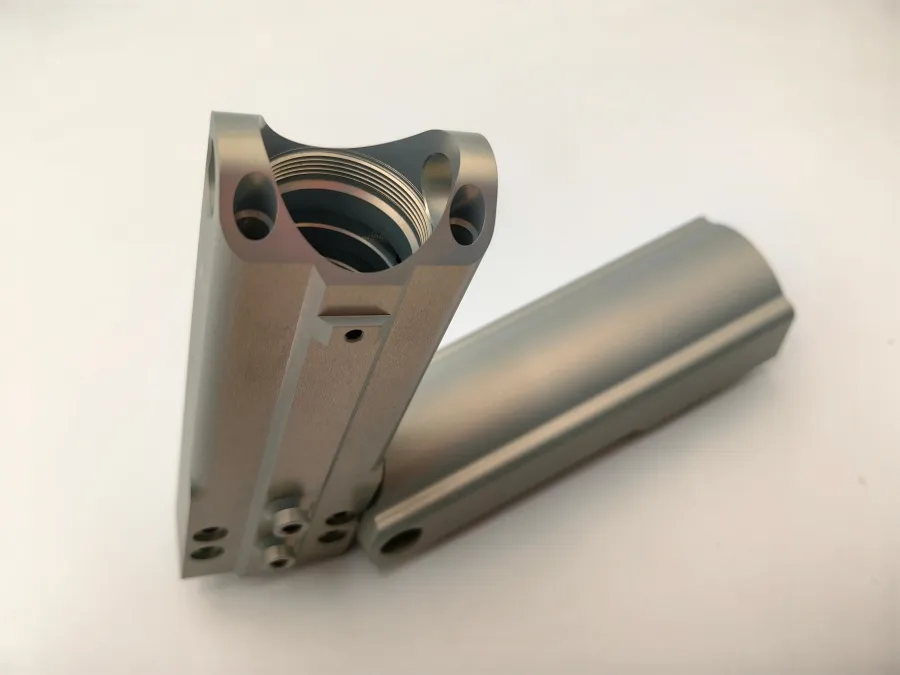
Corrosion resistance and high strength for fluid systems, valve bodies, shafts, fittings and washdown machinery.
Manufacturing examples involving manifold components, appliance equipment parts, industrial materials, CNC machining, and sheet metal supply.
Since 2018, Huade has supported PEEK grinder parts, brass and SS316 brewing parts, and aluminum sheet metal housings from prototype to repeat production.
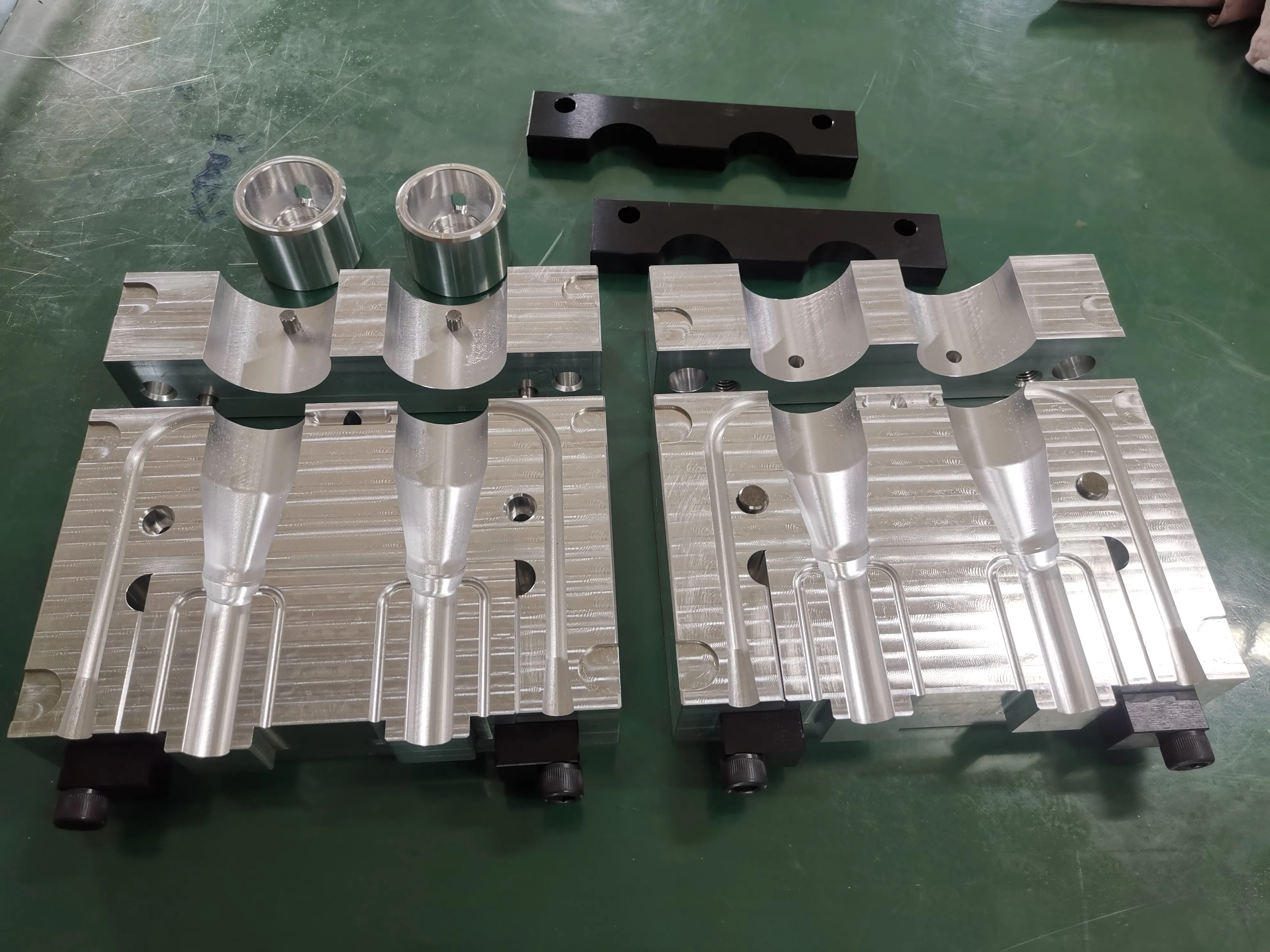
A long-term case study showing how Huade has remained the designated supplier for core mold components since 2015.
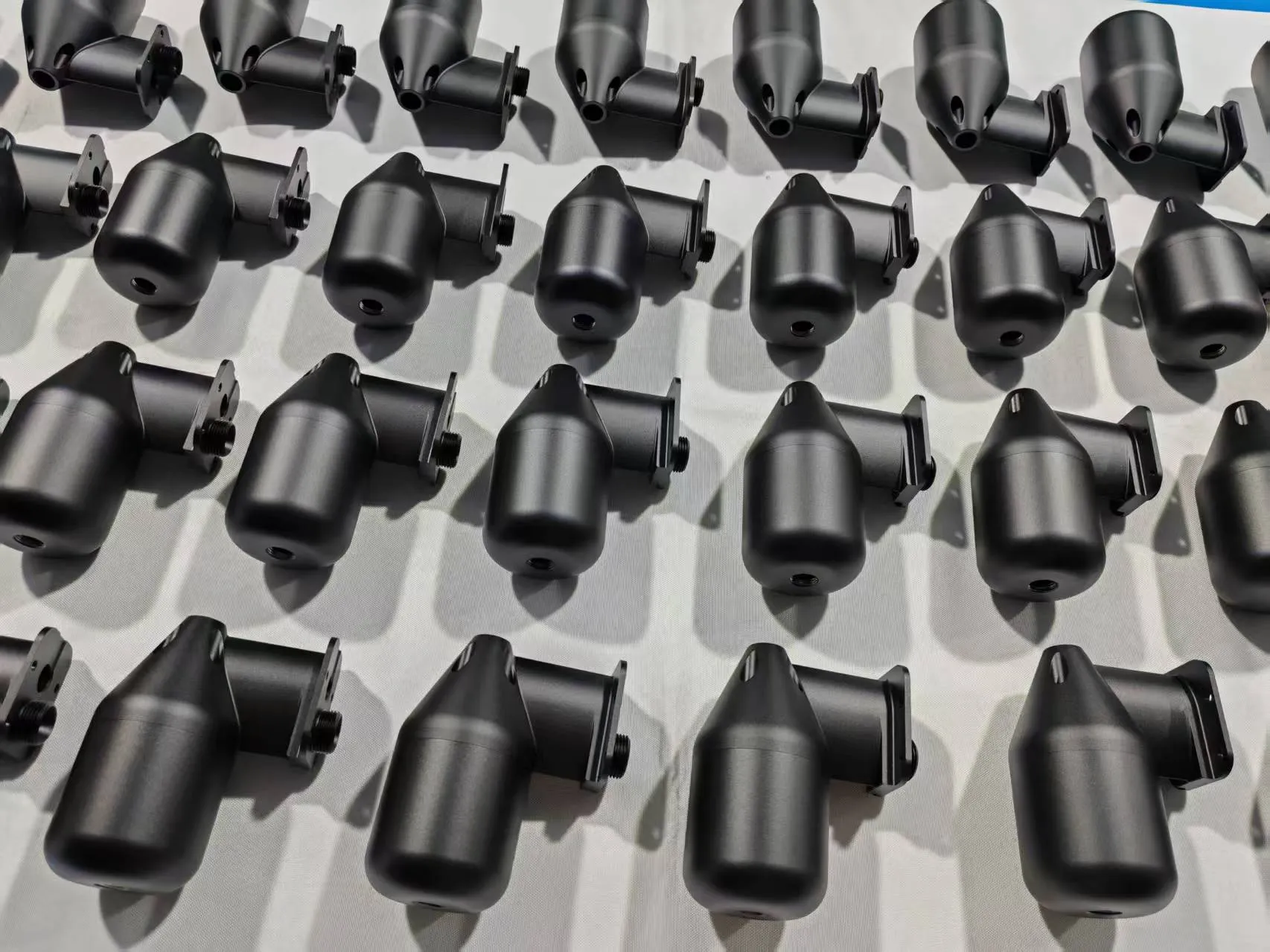
A five-axis curved surface machining case where two separate components fit together with a barely visible joint and a near one-piece appearance, documented in project photos and video.
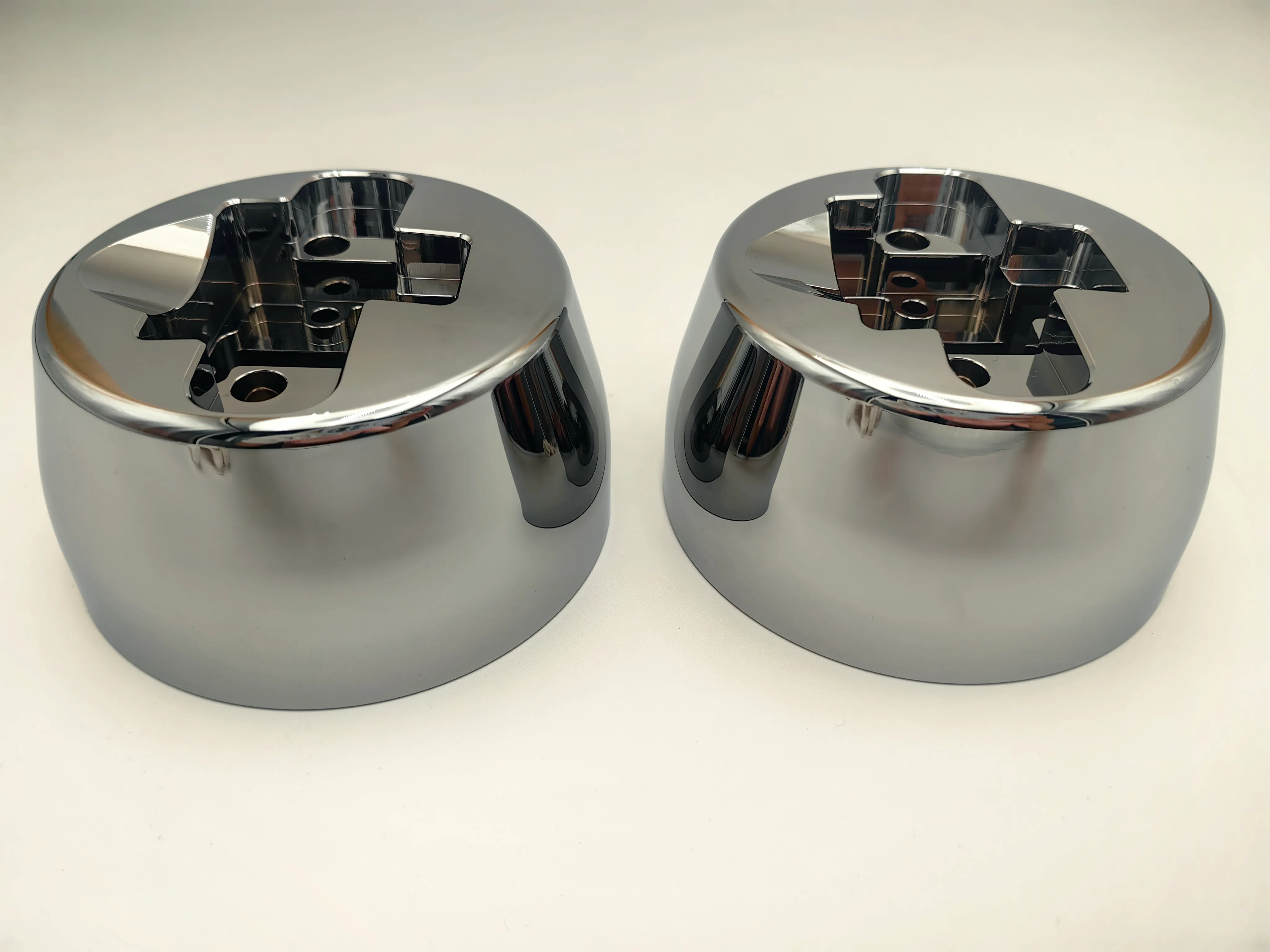
A photo-backed case showing appearance-critical 6061 aluminum machining for premium coffee equipment, with polished surfaces, chrome finishing, and functional internal geometry.
Upload your STEP file or 2D drawing with material grade, quantity, port and thread standards, sealing faces, inspection notes, and cleanliness requirements. Our engineering team will review manufacturability and return a practical quote.
For hydraulic valve manifold blocks, include pressure range, fluid compatibility, NPT/BSPP/ORB or custom thread details, and any sealing grooves or internal cleanliness standards that affect inspection.