CNC Machining
FR4 / G-10
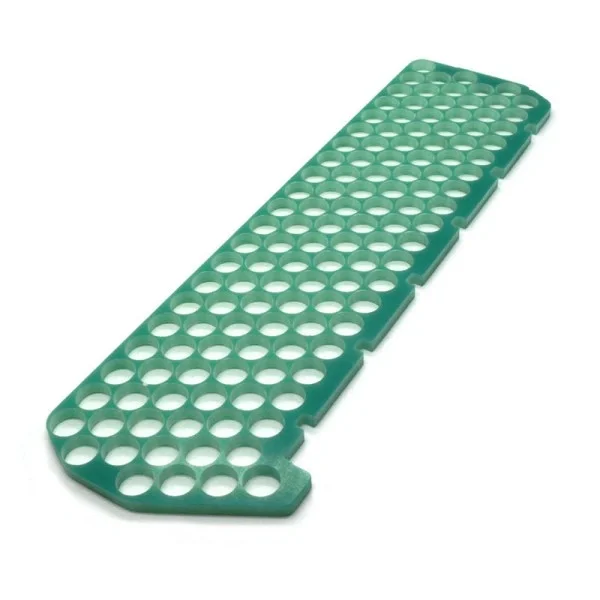
FR4 is a composite material composed of woven fiberglass cloth with an epoxy resin binder. Unmatched in its electrical insulation properties, flame retardancy (UL94 V-0), and extreme mechanical strength, it is the foundational material for high-voltage electrical components and PCB test fixtures.
Core Mechanical Properties
FR4 and G-10 derive their immense strength from their woven fiberglass structure. Unlike standard thermoplastics, they do not melt under typical machining heat, but they are highly abrasive. Below are typical values for FR4 laminates.
| Property | Typical Value | Key Benefit |
|---|---|---|
| Tensile Strength | ~ 310 MPa (Crosswise) | Rivals many soft metals. Provides immense structural rigidity for load-bearing electrical mounts without bending. |
| Dielectric Strength | ~ 20 kV/mm | Exceptional electrical insulator. Prevents arcing and short circuits in high-voltage environments. |
| Max Operating Temp. | 130°C - 140°C | Maintains structural and electrical integrity in high-temperature electronics enclosures. |
| Flammability Rating | UL94 V-0 | Self-extinguishing. Critical for aerospace and consumer electronics safety compliance. |
Material Comparison: FR4 vs G-10
FR4 and G-10 are often confused or used interchangeably. While their mechanical properties are nearly identical, there is one critical difference regarding fire safety.
| Material Grade | Composition | Flame Retardant | Primary Use Case |
|---|---|---|---|
| FR-4 (FR4) | Fiberglass + Epoxy Resin + Bromine | Yes (UL94 V-0) | The modern standard. The addition of bromine makes it self-extinguishing. Used almost universally for printed circuit boards (PCBs) and electrical fixtures where fire safety is mandated. |
| G-10 | Fiberglass + Epoxy Resin | No | The predecessor to FR4. Excellent insulator and structurally identical to FR4, but it is not inherently flame retardant. Often used in low-risk mechanical applications or where halogen-free materials are strictly required. |
Application Fit Matrix
FR4 is best for electrical insulation and stiff electronics tooling where glass-epoxy stability matters more than cosmetic finish.
| Application | Recommended Material | Why This Material Works | Typical CNC Process | Finish / Risk Note |
|---|---|---|---|---|
| Electrical Insulation Plates | FR4/G10 | High dielectric strength and rigid support. | Routing, drilling, countersinking | Glass fibers are abrasive; edge sealing may be needed. |
| PCB Test Fixtures | FR4 | Stable, insulating base material for probes and nests. | CNC routing, drilling, pocketing | Specify hole quality around probe locations. |
| Transformer & Switchgear Spacers | FR4 | Mechanical strength with reliable insulation. | Milling, drilling, slotting | Clean edges matter for high-voltage use. |
| Structural Insulators | G10 or FR4 | Combines stiffness, strength, and non-conductive behavior. | Milling, waterjet preforms, drilling | Tiny unsupported features can chip. |
| Electronics Assembly Pallets | FR4 | Handles repeated use with good dimensional stability. | Routing, engraving, pocketing | Define temperature exposure near soldering. |
Selection Rule
Match the grade to the part's real job first: strength, heat, wear, corrosion, insulation, transparency, or cosmetic finish.
DFM Reminder
Material choice changes tolerance risk, burr control, wall thickness, thread strategy, and finishing route.
Quote Tip
Share the operating environment, mating parts, finish expectations, and inspection requirements with the drawing.
Expert Machining Tips
FR4 is notoriously difficult to machine. The embedded glass fibers act like sandpaper, destroying standard cutting tools in minutes. Huade engineers apply stringent protocols to machine it cleanly:
- 1
PCD & Diamond-Coated Tooling
High-Speed Steel (HSS) and standard carbide tools will dull almost instantly. We strictly use Polycrystalline Diamond (PCD) or specialized diamond-coated carbide end mills to cleanly shear the abrasive glass fibers and maintain tight tolerances.
- 2
Preventing Delamination
Because FR4 is made of compressed layers, improper drilling or milling will cause the layers to peel apart (delaminate). We use specific entry/exit feed rates, specialized "router" style cutters, and rigid backing boards when drilling through-holes.
- 3
Strict Dust Control
Machining FR4 produces fine, highly abrasive, and hazardous glass dust instead of typical chips. We machine FR4 in dedicated enclosures using powerful vacuum dust extraction systems or flood coolant to protect the machinery and ensure operator safety.
Post-Processing & Assembly
Unlike standard plastics, FR4 parts rarely require cosmetic finishing. Post-processing focuses entirely on environmental sealing and mechanical fastening.
1. Edge Sealing / Conformal Coating
When FR4 is cut, the exposed glass fibers along the edges can absorb moisture over time, slightly reducing its dielectric strength. We can apply polyurethane or epoxy edge sealers to completely encapsulate the machined part.
2. Threaded Inserts (Helicoils)
Due to the fibrous nature of FR4, directly tapping fine threads into the material is not recommended for load-bearing connections, as the threads will easily strip. We routinely install brass or stainless steel threaded inserts to provide robust, reusable fastening points.
3. Cleaning & Baking
If machined using coolant, the FR4 parts must be thoroughly cleaned and often oven-baked to remove any absorbed moisture or cutting fluids before they are deployed in high-voltage electrical applications.
Start Your Manufacturing RFQ
Upload your 3D CAD files today. Our engineers will review your composite specifications, provide a free DFM report, and return an accurate quote within 24 hours.