CNC Machining
Polyethylene
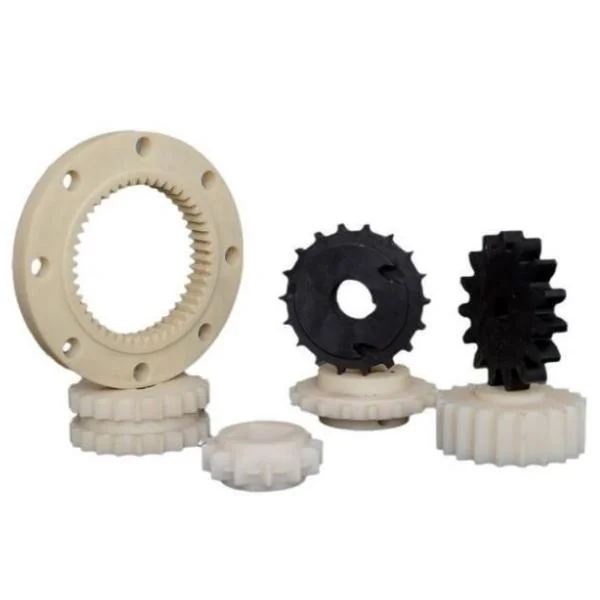
Polyethylene (PE), specifically High-Density (HDPE) and Ultra-High Molecular Weight (UHMW), is the industry standard for low-friction, high-wear applications. Boasting near-zero moisture absorption and FDA compliance, it is the ultimate material for food processing gears, marine wear pads, and packaging conveyor guides.
Core Mechanical Properties
Polyethylene is not chosen for its high tensile strength, but rather for its incredible toughness and slick surface. Below are typical properties for machine-grade HDPE and UHMW billets.
| Property | Typical Value | Key Benefit |
|---|---|---|
| Coefficient of Friction | Extremely Low | Acts like solid Teflon. Self-lubricating, making it ideal for ungreased sliding components. |
| Moisture Absorption | < 0.01% | Effectively zero. Will not swell or change dimensions in wet or washdown environments. |
| Impact Strength | Very High | Absorbs massive shock loads without fracturing. UHMW is virtually unbreakable by impact. |
| Chemical Resistance | Outstanding | Highly resistant to corrosive acids, alkalis, and industrial cleaning solvents. |
Material Comparison: HDPE vs UHMW
In CNC machining, Low-Density Polyethylene (LDPE) is generally too soft. Engineers almost exclusively specify either High-Density (HDPE) or Ultra-High Molecular Weight (UHMW) polyethylene.
| Material Grade | Machinability | Key Characteristics & Use Case |
|---|---|---|
| HDPE (High-Density) | Good | Stiffer and slightly more rigid than UHMW. Easier to machine to moderate tolerances. Widely used for FDA-compliant cutting boards, fluid tanks, and structural marine parts. |
| UHMW-PE (Ultra-High Molecular Weight) | Challenging (Soft & Flexible) | Offers the absolute highest abrasion resistance and lowest friction. Softer and more prone to bending during machining. The ultimate choice for conveyor star wheels, chute linings, and wear strips. |
Application Fit Matrix
Polyethylene is a soft, chemical-resistant plastic for wear strips, guides, liners, and low-friction parts where tight precision is not the goal.
| Application | Recommended Material | Why This Material Works | Typical CNC Process | Finish / Risk Note |
|---|---|---|---|---|
| Conveyor Wear Strips | UHMW-PE | Very low friction and excellent abrasion resistance. | Routing, milling, drilling | UHMW moves with temperature; avoid tight tolerances. |
| Chemical Tank Liners & Plates | HDPE | Good chemical resistance and weldability. | Routing, drilling, trimming | Confirm chemical concentration and temperature. |
| Food Handling Guides | UHMW-PE or HDPE | Low friction and common food-grade availability. | Milling, slotting, profiling | Specify food-grade stock if required. |
| Impact Pads & Bumpers | UHMW-PE | Absorbs impact and resists wear. | Milling, drilling, countersinking | Soft material can deform under clamp loads. |
| Low-Friction Bushings | UHMW-PE | Slides easily with low noise. | Turning, boring, grooving | Not ideal for tight precision bearing fits. |
Selection Rule
Match the grade to the part's real job first: strength, heat, wear, corrosion, insulation, transparency, or cosmetic finish.
DFM Reminder
Material choice changes tolerance risk, burr control, wall thickness, thread strategy, and finishing route.
Quote Tip
Share the operating environment, mating parts, finish expectations, and inspection requirements with the drawing.
Expert Machining Tips
Polyethylene, especially UHMW, is notoriously soft. It wants to push away from the tool and warp under clamping pressure. Huade engineers apply stringent techniques to maintain accuracy:
- 1
Workholding & Deformation
You cannot clamp PE tightly in a standard vise, or it will crush and spring back out of tolerance. We utilize custom soft jaws, vacuum tables, or double-sided taping to secure the billets with distributed, low-pressure holding forces.
- 2
Ultra-Sharp Tooling
Dull tools will simply rub and melt the plastic. We exclusively use highly polished, razor-sharp, single-flute "O-flute" carbide router bits to cleanly slice through the soft material without generating excess heat or pushing the material away.
- 3
Cryogenic Deburring
Machining PE often leaves stubborn, stringy burrs attached to the edges. Because the material is so tough, hand-deburring is inconsistent. We frequently utilize cryogenic tumbling (freezing the parts with liquid nitrogen and tumbling them) to cleanly snap off burrs.
Assembly & Finish Limitations
Polyethylene's greatest strength—its slick, non-stick surface—is also its biggest challenge when it comes to assembly and post-processing. **You cannot easily paint or glue it.**
1. Mechanical Fastening Only
Because standard adhesives and epoxies will simply peel off HDPE and UHMW, assemblies must be designed for mechanical fastening. We routinely machine counterbores for through-bolts or press-fit specialized threaded inserts.
2. As-Machined Finish
PE parts are almost exclusively left with an as-machined finish. The surface cannot be effectively vapor polished or painted. Fortunately, proper CNC routing leaves a very smooth, low-friction surface right off the machine.
3. Managing Tolerances
Due to its high coefficient of thermal expansion and inherent flexibility, PE cannot hold the extreme tolerances of metals or harder plastics (like PEEK). Engineers should design PE parts with looser tolerance bands (typically ±0.1mm to ±0.2mm) to account for environmental flex.
Start Your Manufacturing RFQ
Upload your 3D CAD files today. Our engineers will review your high-wear plastic specifications, provide a free DFM report, and return an accurate quote within 24 hours.