Mild Steel CNC Machining Services
1018, 1020 and A36 Parts
Mild steel is not glamorous, and that is the point. It is affordable, weldable and predictable for brackets, fixtures and simple mechanical parts when corrosion and high fatigue strength are not the main problem.
Best fit
brackets, fixtures, plates, shafts, welded parts and prototypes
Common grades
1018, 1020, A36 and 1045 for stronger simple shafts
Watch point
rust protection, weld distortion and loose material specs
Typical route
milling, turning, drilling, tapping, welding and plating or painting
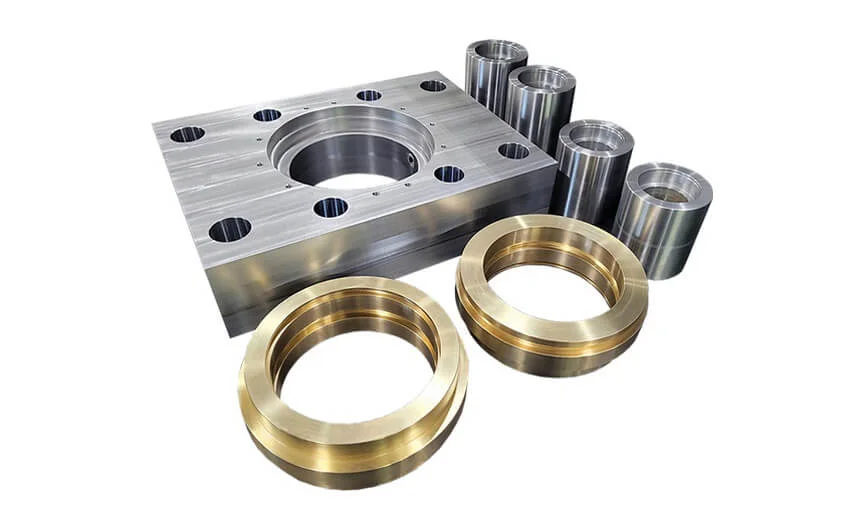
Mild Steel Grades For CNC Machining
Mild steel is usually selected for cost and manufacturability. If the part needs fatigue strength, heat treatment or corrosion resistance, move up to alloy or stainless steel.
| Grade | Yield Strength | Tensile Strength | Hardness |
|---|---|---|---|
| 1018 Steel | ~ 370 MPa | ~ 440 MPa | ~ 71 HRB |
| 1020 Steel | ~ 350 MPa | ~ 420 MPa | ~ 70 HRB |
| A36 Steel | ~ 250 MPa | ~ 400 MPa | ~ 67 HRB |
International Grade Comparison
Generic "mild steel" is too vague for production. Pick a grade if strength, finish, weldability or repeatability matters.
| ASTM / AISI / UNS | DIN / EN | GB | Engineer Note |
|---|---|---|---|
| AISI 1018 | C15E / 1.1141 | 15 / 20 | Good general machining steel for fixtures, pins, spacers and simple precision parts. |
| AISI 1020 | C22E / 1.1151 | 20 | Slightly higher carbon than 1018 and still straightforward to machine and weld. |
| ASTM A36 | S235 / S275 | Q235 | Common structural plate steel; practical for fabricated parts but less controlled for precision bar-stock features. |
Application Fit Matrix
Mild steel is the practical choice for economical machined parts that need weldability, toughness, and straightforward finishing.
| Application | Recommended Material | Why This Material Works | Typical CNC Process | Finish / Risk Note |
|---|---|---|---|---|
| Machine Brackets & Frames | A36 or 1018 Steel | Low cost, good stiffness, and easy fabrication. | Milling, drilling, tapping | Use plating, paint, or powder coat when corrosion matters. |
| Jigs & Shop Fixtures | 1018 Steel | Tough, stable, and easy to modify for production tooling. | Milling, reaming, dowel holes | Consider black oxide or zinc plating. |
| Prototype Mechanical Parts | 1018 Steel | Good machinability and predictable behavior. | Turning, milling, threading | Raw steel rusts quickly. |
| Welded Assemblies | A36 Steel | Excellent weldability and availability. | Post-weld machining, facing, drilling | Weld distortion may require stress relief or machining allowance. |
| Shafts, Pins & Simple Hardware | 1018 or 1045 Steel | Adequate strength and low cost for non-hardened hardware. | Turning, grooving, threading | Use alloy steel if high fatigue or heat treatment is required. |
Selection Rule
Match the grade to the part's real job first: strength, heat, wear, corrosion, insulation, transparency, or cosmetic finish.
DFM Reminder
Material choice changes tolerance risk, burr control, wall thickness, thread strategy, and finishing route.
Quote Tip
Share the operating environment, mating parts, finish expectations, and inspection requirements with the drawing.
What We Check Before Cutting Mild Steel
The mistakes with mild steel are usually not machining mistakes. They are corrosion, welding or material-spec mistakes.
- 1
Decide The Finish Before Shipping
Raw mild steel can rust quickly in transit. If the parts will sit in inventory, specify oil, black oxide, zinc plating, paint or powder coat.
- 2
Do Not Use A36 Like Precision Bar Stock
A36 plate is economical, but chemistry and flatness can vary. For accurate turned or milled features, 1018 is usually cleaner.
- 3
Plan Around Weld Distortion
If welding comes before final machining, leave stock on critical faces and holes. Machining after welding is often the only honest way to hold alignment.
Surface Treatments That Actually Fit
Mild steel almost always needs protection unless rust is acceptable.
1. Zinc Plating
Good general corrosion protection for small brackets, fasteners and hardware.
2. Black Oxide With Oil
Clean low-build finish for indoor tools and fixtures, but not a serious outdoor coating.
3. Powder Coat or Paint
Best for larger fabricated parts when appearance and environmental protection both matter.
Send The Details That Change The Quote
Send grade, finish requirement, welding sequence, flatness needs and any surfaces that must be machined after fabrication.
Material condition
Name the exact grade, stock condition and certificate requirement. The same alloy can machine and perform differently after heat treatment, aging or cold work.
Functional features
Flag threads, bearing bores, sealing faces and mating materials. These features determine the machining sequence, surface requirement and inspection plan.
Finish and release
Include coating, masking, cosmetic zones and report needs in the controlled RFQ so finished dimensions and acceptance criteria are aligned before production.