Customizing a computer case is not just changing the color or cutting a few fan holes. A good custom computer case has to fit the motherboard, GPU, power supply, cooling layout, cable routing, front I/O, glass or metal side panels, and the final surface finish. If one detail is off, the case may look nice in photos but become difficult to assemble.
At Huade Precision, we help customers turn computer case ideas into real metal parts by combining sheet metal fabrication, CNC milling, aluminum machining, and surface finishing services. That means we can support both the structure and the look: stamped or bent shells, CNC-machined panels, precision openings, painted surfaces, anodizing, sandblasted texture, brushing, and logo marking.
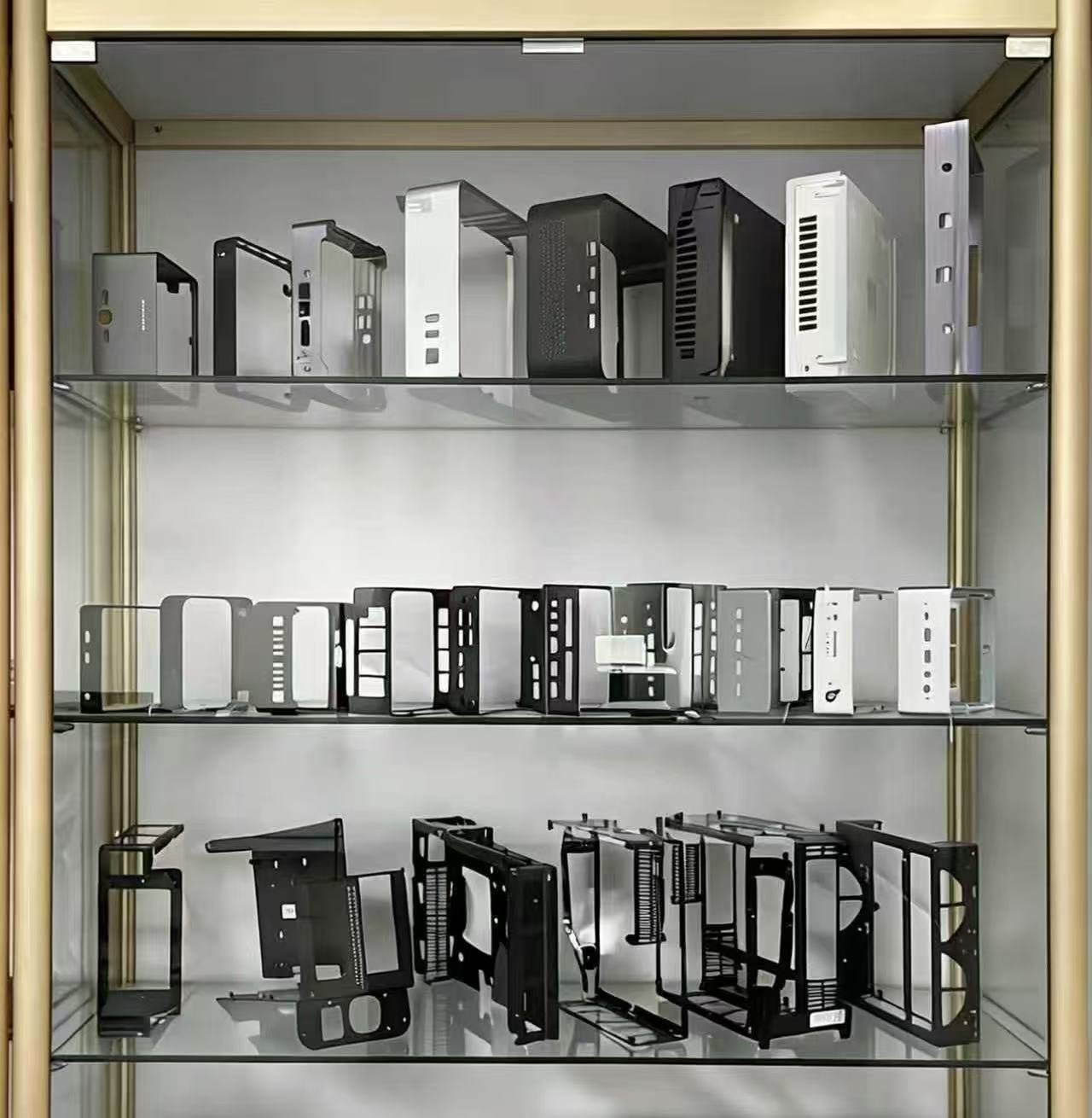
1. Choose The Computer Case Structure First
Most custom computer cases use one of three manufacturing routes:
- Sheet metal case body: good for side panels, covers, trays, brackets, and larger case shells.
- CNC-machined aluminum panels: good for premium front panels, rear I/O plates, thick side frames, handles, feet, radiator mounts, and decorative parts.
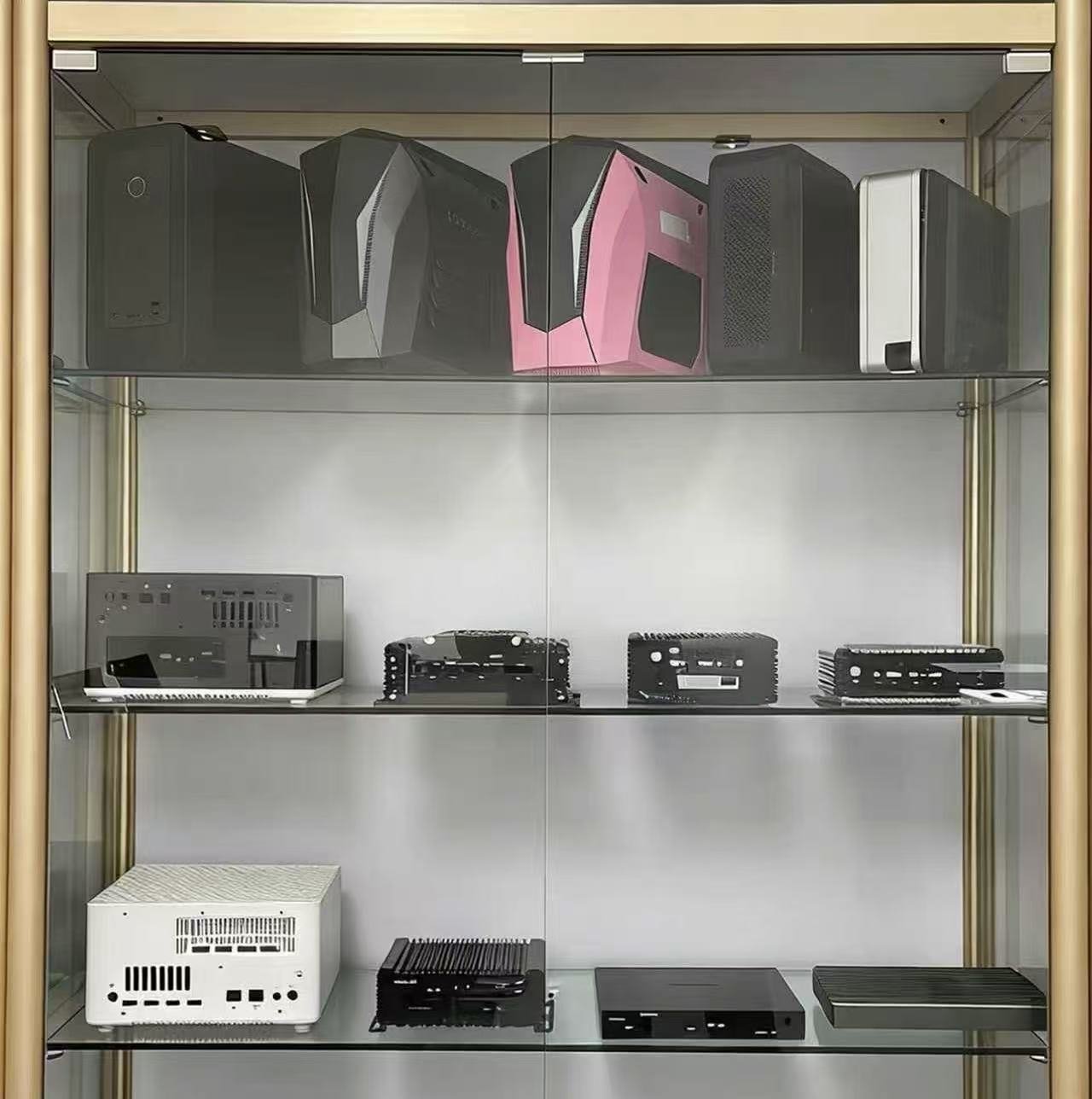
- Hybrid construction: the most practical option for many custom PC cases, using sheet metal for the main body and CNC machining for precise or high-end visible details.
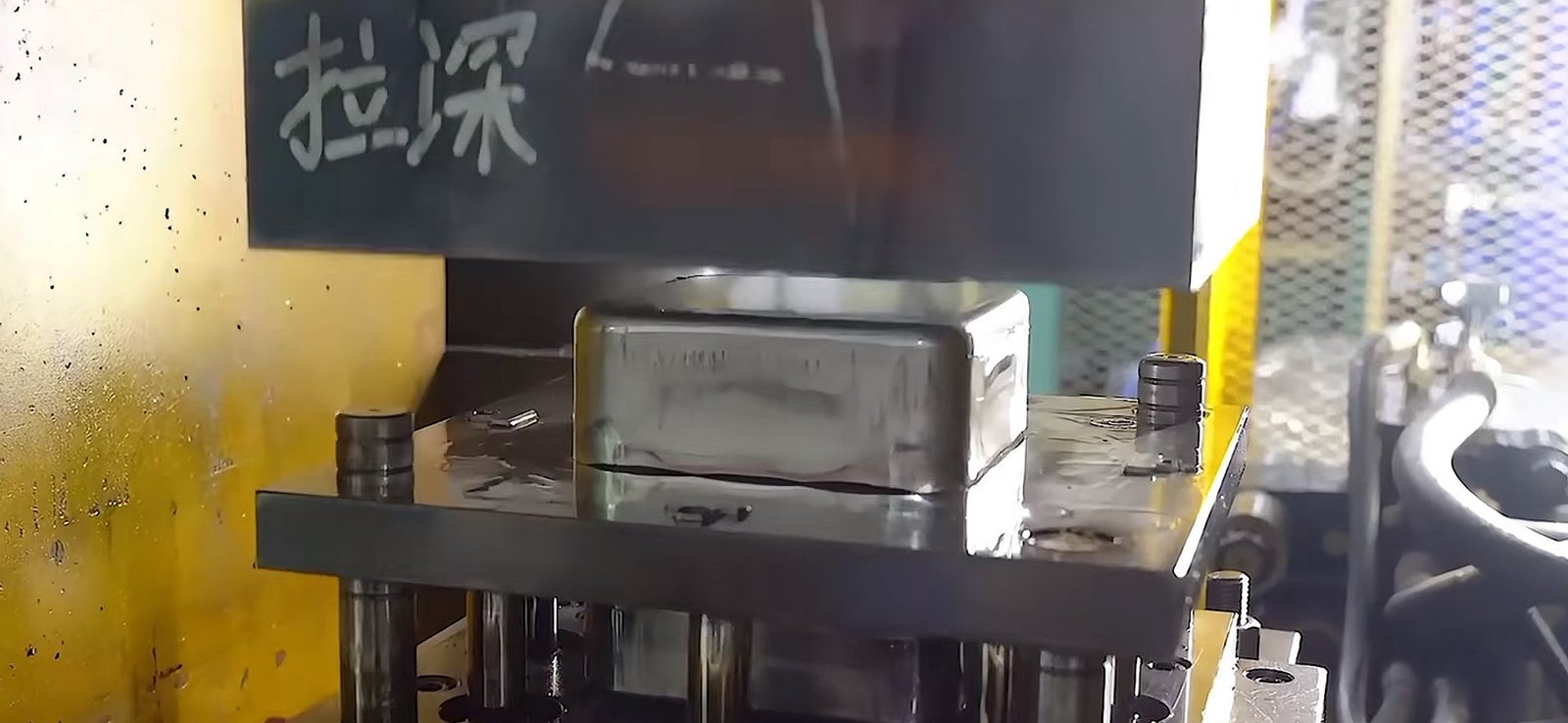
This is where Huade’s factory setup helps. A case project may need laser cutting or stamping first, then bending, CNC milling, tapping, deburring, and final finishing. Keeping those processes connected reduces communication errors and makes the finished computer case easier to assemble.
2. Use CNC Milling For The Details Buyers Notice
CNC milling is especially useful when the case needs precision and a premium feel. For example:
- Front I/O openings for USB, Type-C, audio, buttons, and display windows
- Radiator, fan, and ventilation patterns
- GPU bracket areas and rear port alignment
- Threaded holes, standoffs, countersinks, and hidden fastener details
- Chamfered edges and clean machined surfaces on visible aluminum panels
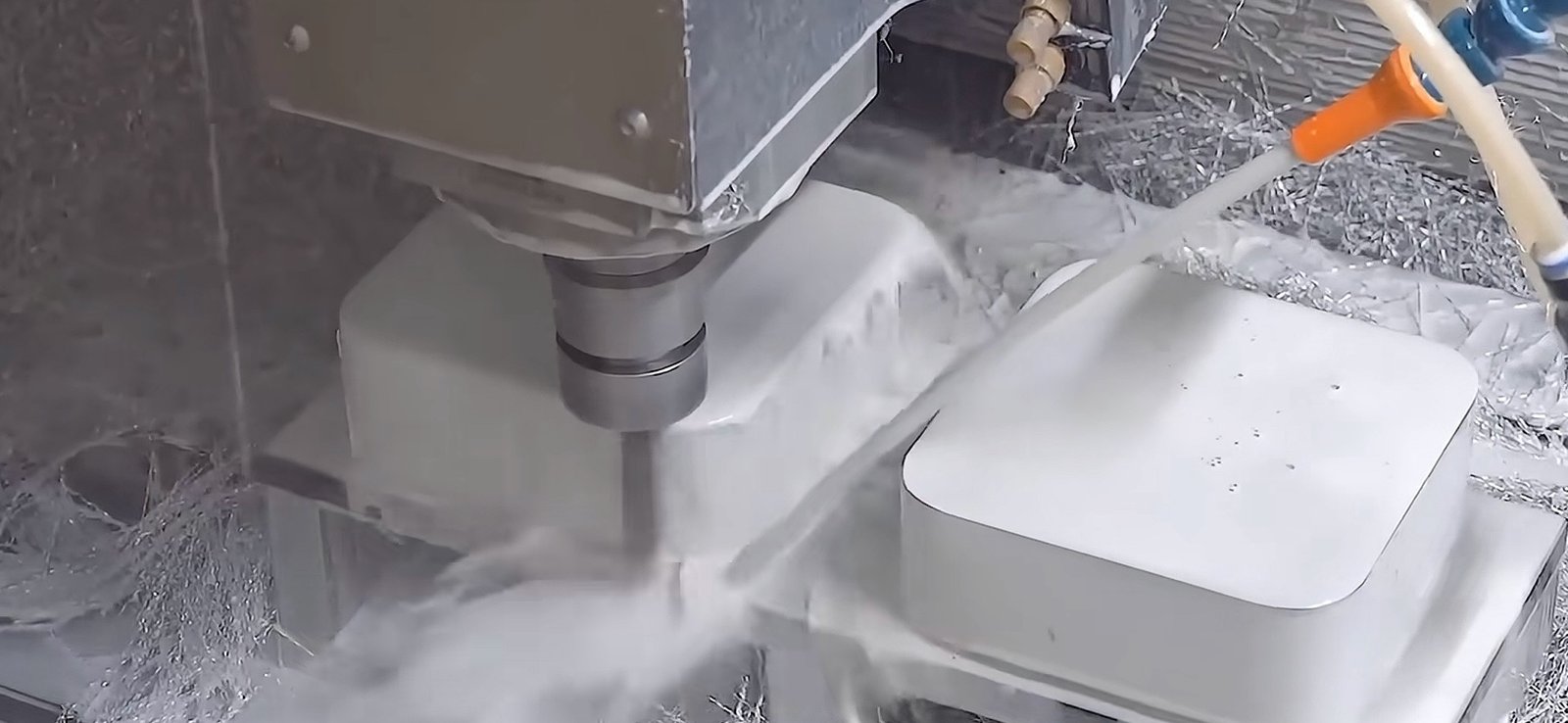
Aluminum is a strong choice for this kind of work. AZoM lists 6061 aluminum with a density of 2.7 g/cm3, tensile strength of 310 MPa, yield strength of 276 MPa, and thermal conductivity of 167 W/mK at 25 C. That is why 6061 aluminum is so common for computer case panels: it is light, machinable, strong enough for the enclosure, and useful for heat-spreading parts.
For engineering reference, NIST also publishes 6061-T6 aluminum material data, including thermal and mechanical properties.
3. Plan The Surface Finish Before Cutting Metal
The surface finish should be decided early, not after the case is already machined. Painting, powder coating, brushing, anodizing, and sandblasting all affect the final appearance, texture, masking needs, and sometimes assembly clearance.
Huade’s surface finishing services can support different case styles:
- Painted computer case for custom colors, brand colors, and visual styling.
- Powder coated case for thicker, durable color coating.
- Brushed aluminum case for a clean metallic direction.
- Anodized aluminum case for premium black, silver, gray, champagne, or natural aluminum looks.
- Laser marked case for logos, labels, icons, and serial numbers.
If your design has visible cosmetic surfaces, mark them on the drawing. A scratch inside a hidden bracket is one thing; a scratch on the front panel is a different problem.
4. Add Anodizing For A Durable Aluminum Look
For aluminum computer cases, anodizing is one of the most popular finishing choices. The Aluminum Anodizers Council describes anodizing as an electrochemical process that converts the aluminum surface into an anodic oxide finish. In simple terms, the finish becomes part of the aluminum surface instead of sitting on top like paint.
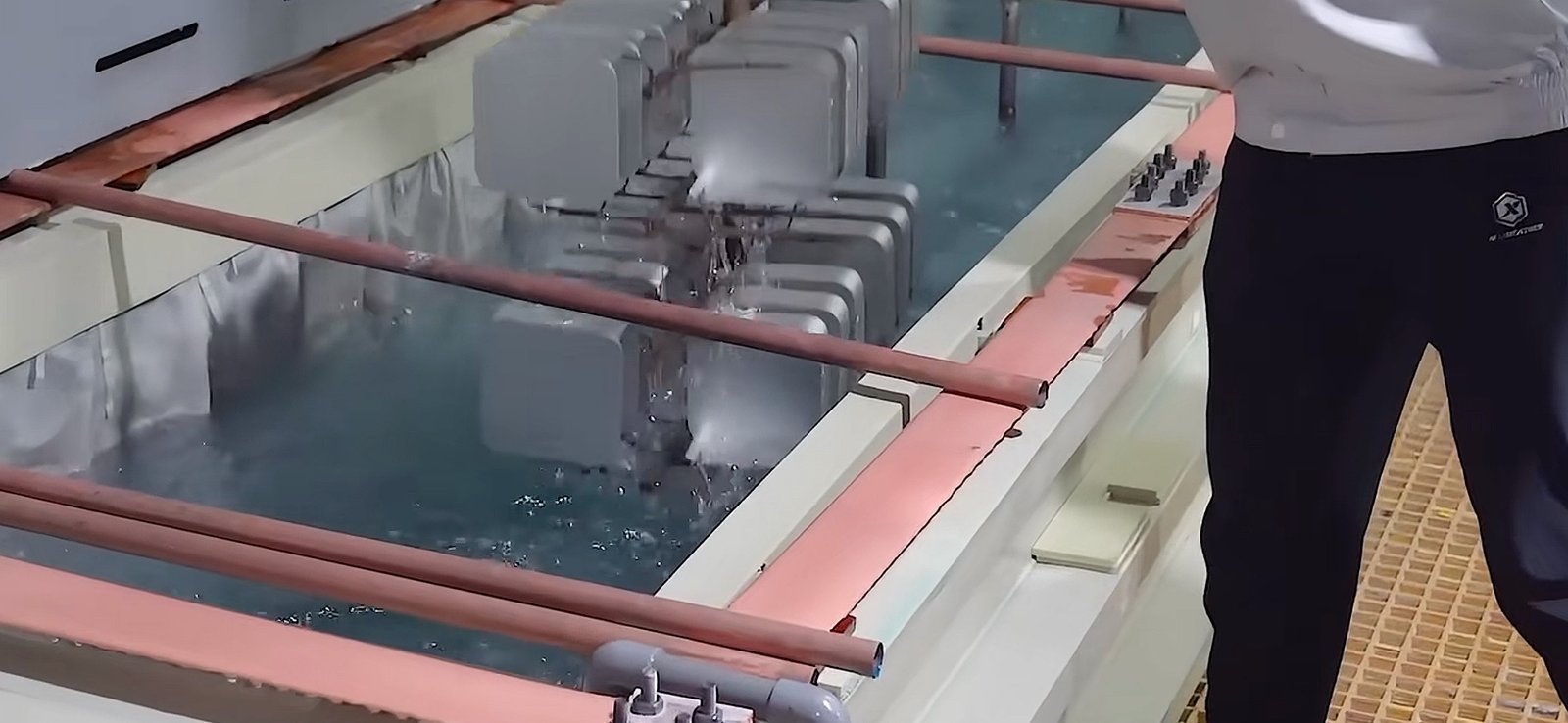
Anodizing is a good fit when you want:
- Black, silver, gray, or champagne aluminum surfaces
- A more premium metal feel than painted plastic or raw metal
- Good compatibility with laser engraving
- Better corrosion and wear resistance than unfinished aluminum
5. Use Sandblasting To Create A Premium Matte Texture
After anodizing and other surface preparation, sandblasting can give computer case parts a soft matte texture. It reduces glare, makes the panel feel more refined, and helps create the satin finish many premium PC cases use.
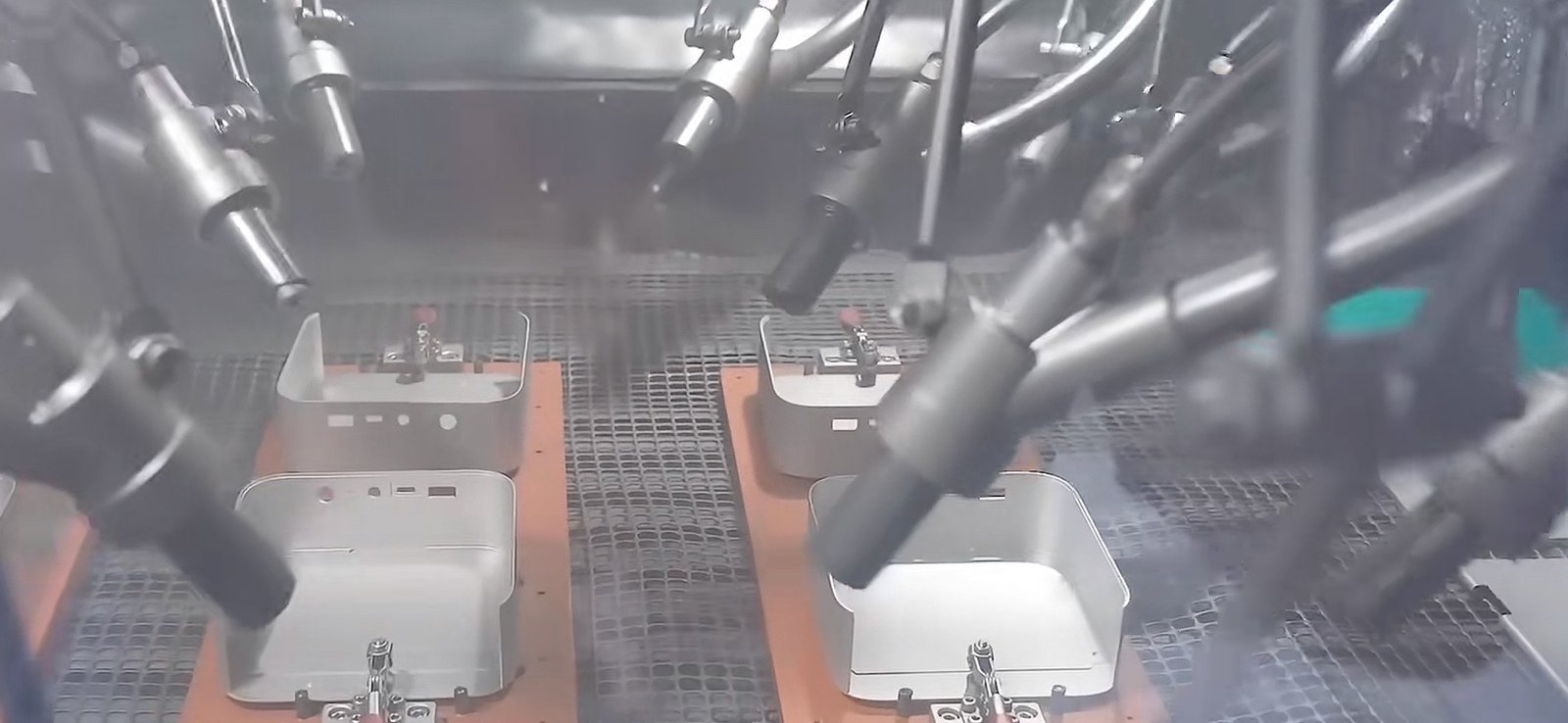
In this route, Huade can handle anodizing first, then use sandblasting as the following texture process when the design requires that sequence. The key is consistency: the same blasting media, pressure, and preparation route should be used across matching panels so the final case does not look uneven.
For a custom painted computer case, painting or powder coating may be better. For a premium machined aluminum case, anodizing followed by controlled sandblasting can create a cleaner, more technical surface.
6. What Huade Needs For A Quote
To quote a custom computer case accurately, send:
- STEP file or 3D model
- 2D drawings if tolerances, threads, or cosmetic surfaces matter
- Material preference, such as aluminum, steel, stainless steel, or brass
- Finish requirement, such as painting, powder coating, anodizing, sandblasting, or brushing
- Quantity
- Assembly details, including motherboard size, GPU clearance, fan/radiator layout, side panel style, and front I/O
You can start from our quote page. If the design is still early, Huade can also help review whether the case should be sheet metal, CNC-machined, or a hybrid of both.
FAQ
Can I custom painted computer case?
Yes. Huade can support custom painted computer case projects through painting or powder coating, depending on the color, durability, texture, and batch requirement. If the case is aluminum and you want a premium metal look, anodizing may be a better option than paint.
Can I use different materials to customize a computer case?
Yes. Aluminum is popular for CNC-machined computer cases because it is light, machinable, and suitable for anodizing. Steel is strong and cost-effective for sheet metal frames. Stainless steel can be used for higher corrosion resistance, and brass or copper can be used for special visual or thermal parts.
Is sandblasting necessary after anodizing a computer case?
Not always, but it can be used after anodizing when the customer wants a specific matte texture or a more technical surface effect. Huade can review the finish sequence based on the color, texture, and cosmetic requirement of the case panels.
Can Huade make both the case body and the CNC aluminum panels?
Yes. Huade can make sheet metal case bodies, CNC-machined aluminum panels, brackets, covers, threaded features, and surface-finished parts in one project. This is useful for custom PC case brands that need both structure and cosmetic quality.