Functional & Decorative Plating

Custom
Electroplating Services

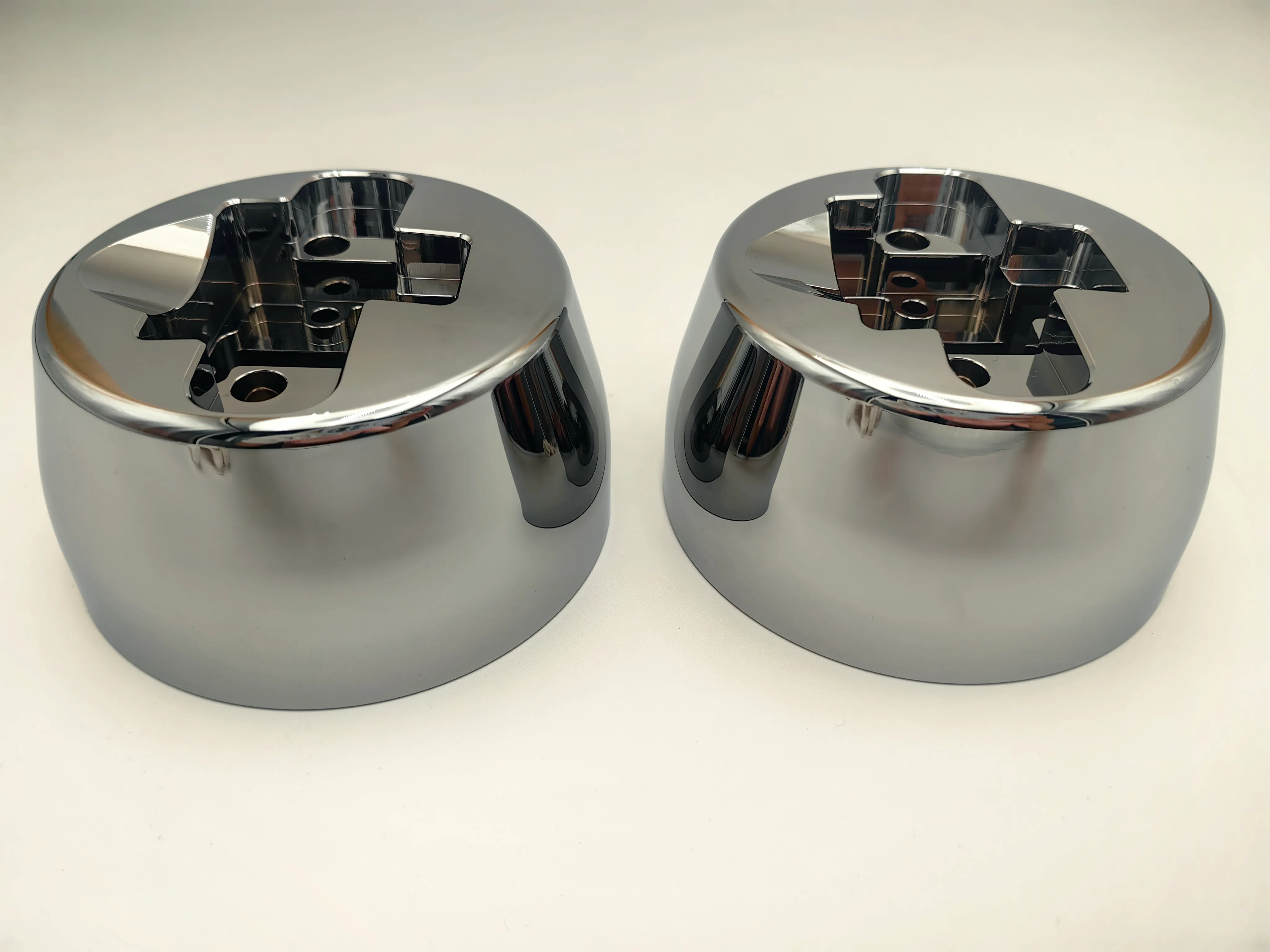
Improve corrosion resistance, conductivity, solderability, wear performance, and cosmetic appeal with professional electroplating. We support nickel, chrome, zinc, tin, silver, and gold finishes for precision components.

Process Overview

What is Electroplating?

Electroplating is an electrochemical finishing process that deposits a thin metallic layer onto the surface of a base material. By selecting the right plating metal, engineers can enhance corrosion resistance, electrical performance, surface hardness, solderability, and final appearance.

Corrosion Protection

Zinc, nickel, and chrome coatings help shield steel and copper alloys from oxidation, moisture, and industrial environments.

Wear Resistance

Nickel and hard chrome plating improve surface durability, reduce galling, and extend service life in moving assemblies.

Appearance Upgrade

Bright nickel, chrome, and precious metal finishes provide a polished premium look for hardware, consumer products, and display components.

Electrical Performance

Gold, silver, and tin plating support strong conductivity, stable contact resistance, and reliable solderability for electronic parts.

Nickel vs. Zinc Electroplating

Different plated metals solve different engineering problems. Nickel and zinc are two of the most common choices for industrial hardware, brackets, fasteners, and precision machined parts.

Most Versatile

Nickel Plating

Functional / Decorative

A popular finish for parts that need balanced corrosion resistance, improved hardness, and an even metallic appearance. Often used on brass, copper, steel, and machined assemblies.

  • Typical Thickness 5 - 25 um
  • Main Benefit Wear + Corrosion
  • Typical Use Hardware / Connectors
Cost Effective

Zinc Plating

Sacrificial Protection

Widely used for steel parts requiring economical rust protection. Zinc coatings are commonly paired with clear, blue, yellow, or black passivation for added corrosion life and color coding.

  • Typical Thickness 5 - 15 um
  • Main Benefit Anti-Rust Protection
  • Typical Use Fasteners / Brackets
Finish Options

Popular Plating Metals

We help match the plated metal to your application, whether your priority is corrosion resistance, electrical performance, solderability, low contact resistance, or a premium decorative finish.

Nickel
Zinc
Chrome
Gold
Silver
Tin

* Final color tone and brightness vary with the base material, pre-polish condition, plating thickness, and post-treatment process.

Electroplating Design Guidelines

To achieve stable coverage and controlled dimensions, engineers should consider plating thickness, current distribution, masking strategy, and the base material before production begins.

Dimensional Impact

Electroplating adds material to the part surface. This additional buildup must be considered on threaded features, bearing fits, electrical contacts, and close-tolerance bores.

Plating Type Typical Thickness Design Note
Nickel / Chrome ~ 5 - 25 um Account for buildup on mating surfaces
Zinc / Tin ~ 5 - 15 um Common for threaded steel hardware
Gold / Silver ~ 0.5 - 5 um Used on contacts and conductive zones

Process Considerations

Masking (Selective Plating)

If only certain zones require plating, uncoated areas must be masked during processing. Provide a 2D drawing that clearly identifies plated surfaces, no-plate zones, and cosmetic A-surfaces.

Racking and Contact Points

Parts need electrical contact during plating. Small rack marks or contact points may remain, so acceptable hidden contact locations should be defined on non-cosmetic surfaces whenever possible.

Base Material Compatibility

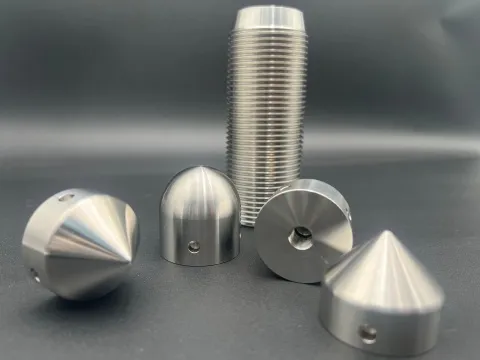
Steel, copper alloys, brass, and many machined substrates plate very well. Aluminum often requires special pretreatment and intermediate layers before final electroplating to ensure adhesion and coverage consistency.

Get Your Answers

Electroplating RFQ & FAQs

Everything you need to know about adding electroplating to your CNC machining or sheet metal order with Huade Precision.

Can I choose the plating metal based on function?

Yes. Nickel is a versatile engineering finish, zinc is ideal for anti-rust steel protection, tin improves solderability, and gold or silver are commonly selected for high-conductivity contact surfaces.

What is the lead time for electroplated parts?

Electroplating typically adds several business days to the machining schedule, depending on the plating type, required thickness, masking complexity, pre-polish standard, and final inspection requirements.

How should I specify electroplating on my RFQ?

Please include the desired plated metal, target thickness, cosmetic expectations, and any no-plate areas on your drawing. If the part includes threads, contact pads, or critical fits, call those features out clearly for DFM review.

Ready for Production?

Quote Machining & Electroplating

Get a turnkey manufacturing solution. Upload your 3D CAD files today, and our engineers will provide a complete quote including machining, tolerances, plating selection, and surface finishing feedback.