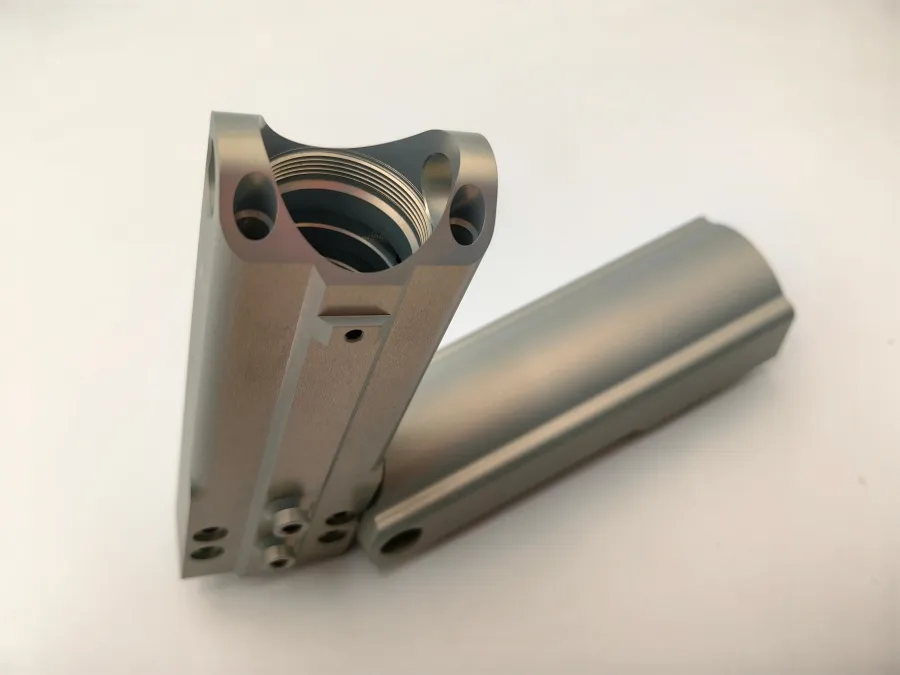
One-Stop Component Supply for a Well-Known Italian Coffee Machine Manufacturer
Since 2018, Huade has supported a major Italian coffee machine manufacturer from early sampling work to stable million-dollar order cooperation, covering PEEK grinder parts, brass and SS316 brewing parts, and aluminum sheet metal housing components under one coordinated supply chain.
From Sample Development To Stable Million-Dollar Supply
This cooperation began in 2018 and developed from prototype and sample-stage collaboration into stable recurring business at the million-dollar order level. What made the relationship durable was not a single product, but Huade's ability to support multiple coffee machine subsystems under one supplier relationship.
For this customer, Huade supplied PEEK parts for grinder systems, brass and SS316 components for brewing systems, and aluminum sheet metal housing parts for outer structures. That gave the manufacturer a more practical sourcing model and reduced the need to split one machine program across too many vendors.
Over time, Huade became a reliable China-based supplier for both precision machined internal parts and visible structural parts, helping the customer maintain product continuity from development through stable production.
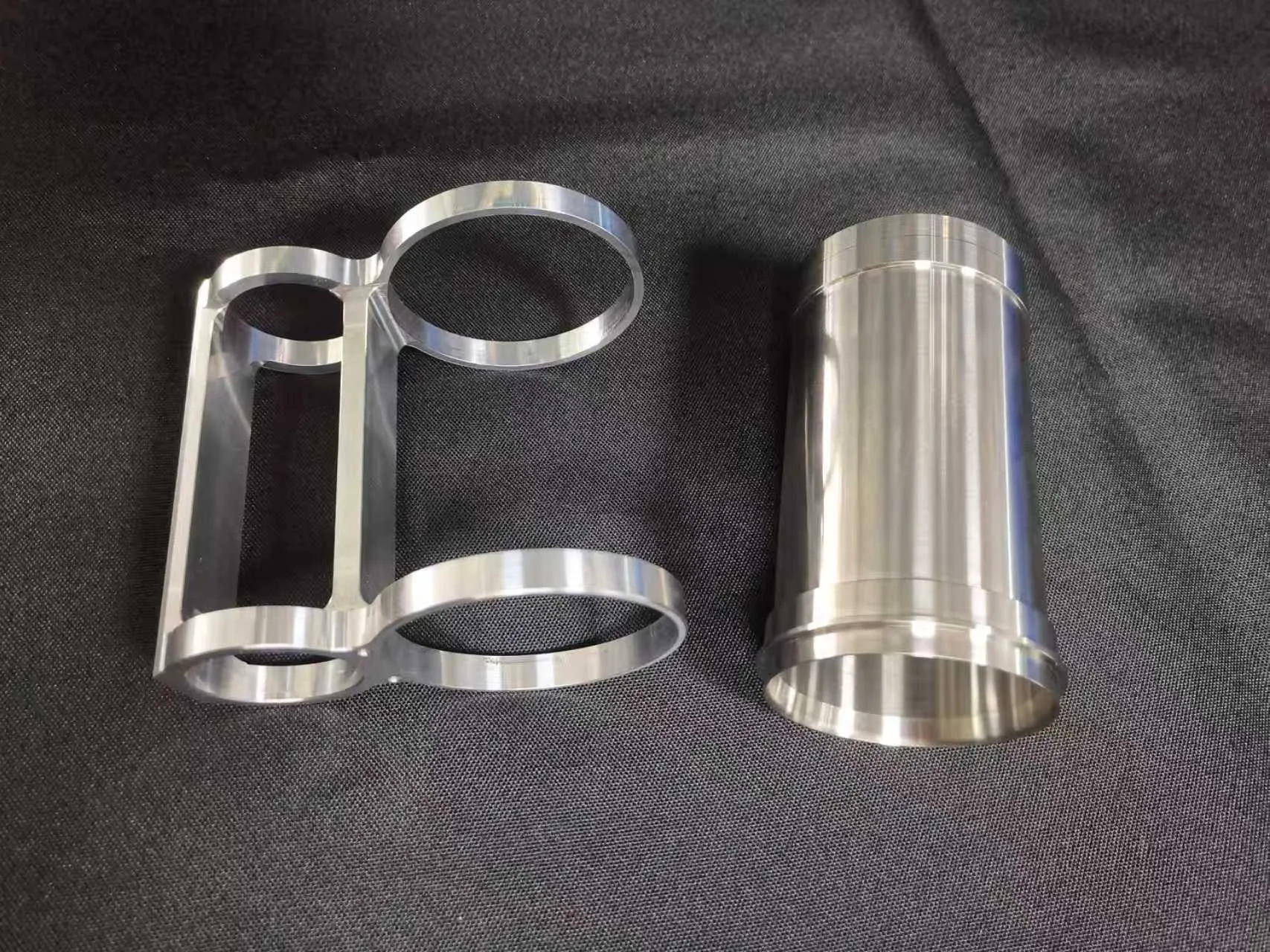
Multi-System Coffee Machine Components
Huade supported multiple component categories for this customer, from internal function parts to visible structural parts, rather than only one isolated product family.
What Huade Supplied Across The Machine Platform
- PEEK parts for the coffee grinder system where wear resistance, dimensional stability, and food-contact suitability matter.
- Brass components for the brewing system where machinability, sealing quality, and fluid routing performance are important.
- SS316 stainless steel parts for brewing and fluid-contact assemblies requiring better corrosion resistance and hygienic performance.
- Aluminum sheet metal housing parts for exterior structures, covers, and machine body assemblies integrated into one supply chain.
One Supplier, Multiple Manufacturing Routes
Coffee machine programs often combine engineering plastics, copper alloys, stainless steel fluid parts, and visible exterior panels. When these categories are split across too many suppliers, communication and revision control become harder.
Huade's value here was integration. The customer could move from development to production with one partner capable of coordinating CNC machining, material-specific processing, and aluminum sheet metal supply in parallel.
That made Huade not just a part supplier, but a more dependable manufacturing extension for the customer's long-term product line.
Process Logic Behind Multi-Material Coffee Machine Production
The technical challenge in this cooperation was not only part accuracy. It was managing different materials and processes according to their function inside the same product family.
Prototype Phase Support
The cooperation started from prototype and sample development, where Huade supported iterative builds across several coffee machine subassemblies rather than only a single part family.
Material-Specific Production Routing
Different component families were routed according to their actual function: precision machining for PEEK engineering plastic parts, CNC turning and milling for brass and SS316 components, and sheet metal fabrication for aluminum exterior structures.
Assembly-Oriented Dimensional Control
Because the project spanned grinder modules, brewing modules, and visible housing parts, process control had to consider fit, sealing, fastening, and final visual consistency across multiple manufacturing methods.
Scale-Up To Stable Production
After the early-stage sampling work was validated, Huade continued to scale with the customer from prototype development into stable volume business, eventually supporting million-dollar order levels.
Different Coffee Machine Systems Need Different Manufacturing Logic
The same coffee machine platform can include abrasion-sensitive engineering plastics, fluid-contact metal parts, and exterior structural panels. Each category needs its own processing method, inspection priorities, and assembly thinking.
- PEEK parts in grinder-related systems require attention to dimensional control, heat sensitivity, burr management, and stable finish on function-critical interfaces.
- Brass brewing parts typically need reliable bore quality, thread integrity, and smooth sealing or mating surfaces where fluid performance matters.
- SS316 parts are selected where corrosion resistance and long-term contact performance are more demanding, especially in moisture- and temperature-exposed brewing environments.
- Aluminum sheet metal housings require a different manufacturing workflow involving cutting, bending, assembly fit verification, and cosmetic consistency for visible machine exteriors.
- Running all of these categories under one supplier reduces communication loss between different vendors and gives the manufacturer better coordination across prototype, pilot, and repeat production.
Why The Customer Continued To Scale Orders
The long-term value of this project came from supplier reliability across multiple categories, not from a single sample order. Huade could respond to new component requests inside an already understood product environment.
That reduces onboarding cost for each new part family and makes engineering communication more efficient when grinder, brewing, and housing systems evolve over time.
This is why the relationship moved from sampling into stable million-dollar procurement rather than remaining only a prototype collaboration.
Inspection Priorities Across Plastic, Metal, And Sheet Metal Parts
A one-stop project only works if quality control is consistent across different processes. That means checking parts based on function, sealing, fit, and final assembly relevance rather than treating every category the same way.
Dimensional inspection for machined plastic and metal parts based on assembly-critical features instead of checking only basic overall size.
Material-appropriate handling across PEEK, brass, and stainless steel so that each part category is processed according to its own function and tolerance risk.
Cross-process coordination between CNC machining and sheet metal fabrication so that hidden internal components and visible external parts remain aligned in the same supply plan.
Stable repeat delivery over multiple years, helping the customer treat Huade as a dependable China-based manufacturing partner.
Internal Links For Multi-Material Product Sourcing
If your team is sourcing appliance parts or consumer equipment components across plastic, metal, and sheet metal categories, the pages below can help review Huade's capability in more detail.
PEEK CNC Machining
Review Huade's capability for high-performance engineering plastic parts used in wear, insulation, and precision fit applications.
Open PageBrass CNC Machining
Explore brass machining support for fluid, sealing, and high-detail precision components.
Open PageStainless Steel Machining
See how Huade supports corrosion-resistant stainless components including SS316 parts for demanding environments.
Open PageSheet Metal Fabrication
Learn more about aluminum panel, cover, enclosure, and housing production for industrial products.
Open Page6061 Aluminum Chrome Coffee Machine Components
See a separate photo-backed case for a premium coffee-machine component using CNC-machined 6061 aluminum, polishing, and mirror chrome finishing.
Open PageUseful Material And Industry Context
These external resources add technical background for the material systems involved in this coffee machine project, especially PEEK engineering plastic, brass components, and SS316 stainless applications.
Victrex PEEK Material Guide
Reference material for PEEK polymer properties used in high-performance engineering applications.
Copper Development Association
Industry resource covering copper alloys including brass materials widely used in fluid and fitting components.
International Molybdenum Association
Technical resource for stainless steel corrosion performance and alloying context relevant to SS316 parts.
Talk To Huade About Your Multi-Material Product Program
If your product line includes engineering plastics, brass, stainless steel, and sheet metal parts, Huade can help coordinate the manufacturing route under one supplier relationship.