Assess prototype purpose
We distinguish between a fit-check, functional test, appearance sample and pre-production build because each needs different material and inspection choices.
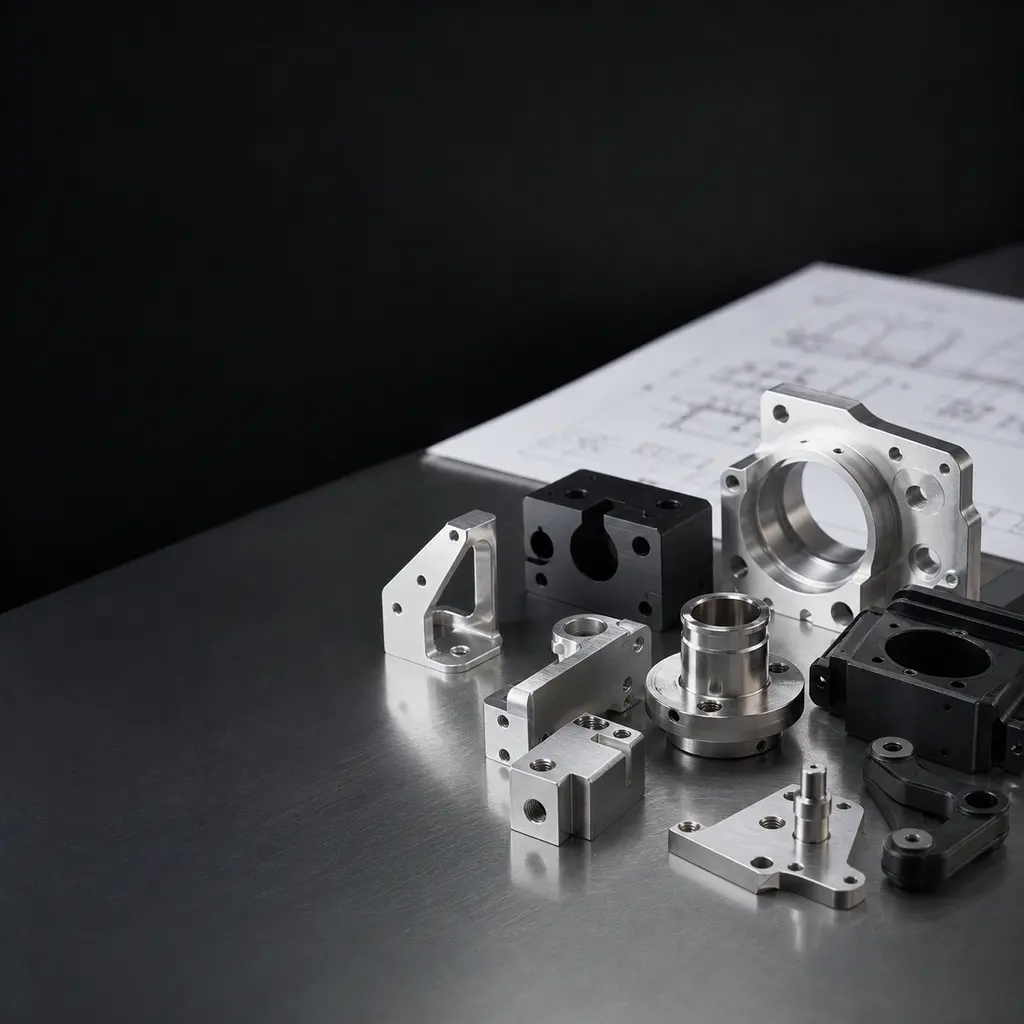
Functional CNC prototypes
HDProto provides prototype CNC machining and rapid prototyping services for teams that need parts that can be assembled, tested and measured—not just presentation models. CNC machining keeps the prototype close to the intended production material, making it useful for fit checks, environmental testing and early customer builds.
Request a quoteChoose a CNC prototype when material behavior, mating geometry, threads, sealing features or finish need to be evaluated before a production commitment.
Manufacturing route
We distinguish between a fit-check, functional test, appearance sample and pre-production build because each needs different material and inspection choices.
The team reviews inaccessible features, corner radii, fragile sections and tolerance stacks before machining begins.
Material, machining process and finish are selected to test the attributes that matter for the next development gate.
Measurement findings and practical machining notes can be returned with the parts to inform the next CAD release.
Prototype speed should not replace a basic tolerance review. A feature that is easy to machine once may require a different datum or tool path to repeat reliably.
Use the material that answers the test question: aluminum for stiffness and light weight, stainless steel for corrosion exposure, or an engineering plastic for insulation and chemical resistance.
If cosmetic finishing matters, define the visible surfaces and masking boundaries before machining. Finish thickness and edge break choices can change the final appearance and fit.
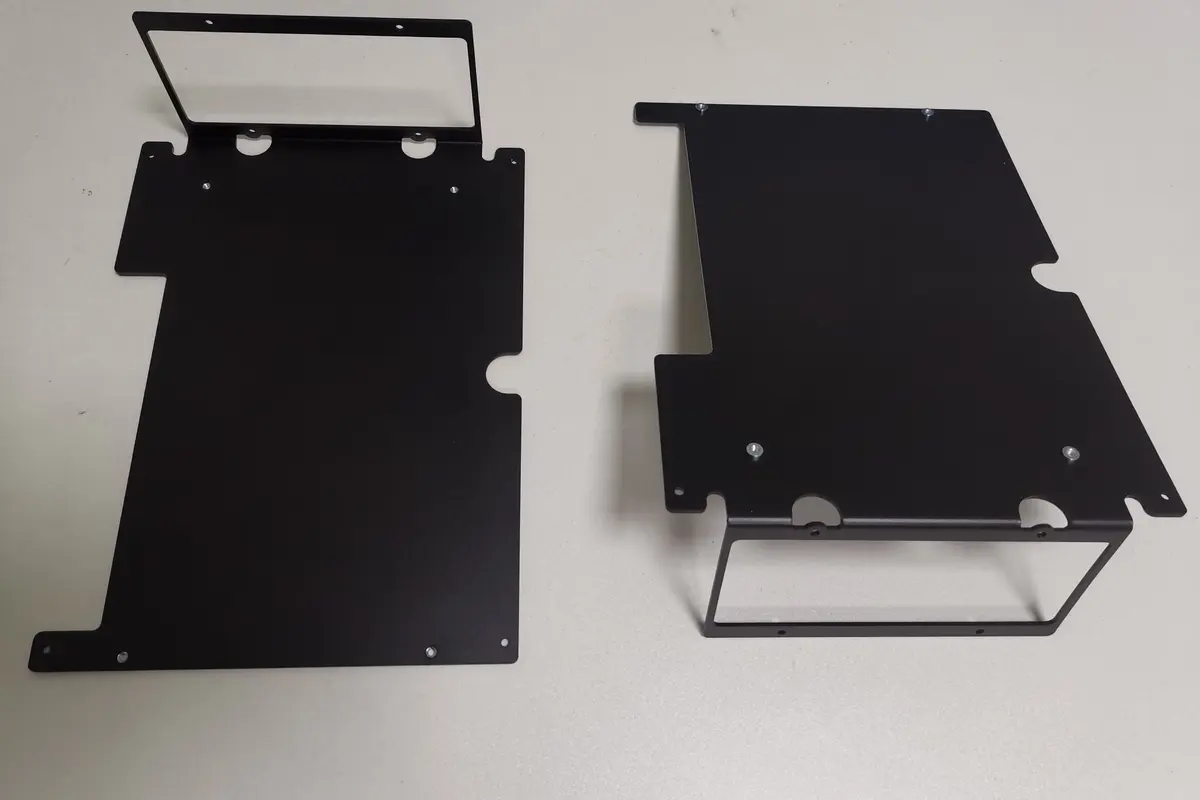
Representative CNC-machined component photograph. It illustrates manufacturing detail only; it does not identify a customer program.
Application decisions
A functional prototype can establish whether sensor location, cable routing, mounting-hole pattern and enclosure wall thickness work together. It is more informative than a visual model when it is machined in the material and finish relevant to the test.
For a moving assembly, prototype review should call out bearing bores, joint datums, clearance and fastening sequence. Those interfaces are the features most likely to reveal a tolerance-stack issue during assembly.
Record deviations, measurement findings and finish observations against the CAD revision. This turns the prototype into a decision input for the next release, rather than an isolated sample.
Engineering decision matrix
These are the inputs that change process routing, inspection effort and the usefulness of the completed part. They are not universal specifications; the drawing and service environment remain the source of acceptance requirements.
| Decision | What to review | Risk if omitted | Useful RFQ input |
|---|---|---|---|
| Question the prototype must answer | Classify the build as fit, functional, environmental, appearance or pre-production validation. | A prototype made for appearance may not validate material behavior, threads or assembly loads. | Name the test objective and the interfaces or conditions that must be evaluated. |
| Material representativeness | Choose the alloy or polymer that answers the stated test question. | A convenient substitute may create misleading conclusions about stiffness, heat, sealing or finish. | Specify material, temper or resin grade and any acceptable alternate. |
| Feature priority | Identify threads, bores, seal lands, mating faces and cosmetic surfaces before CAM. | Treating all dimensions alike spends time on non-critical geometry while leaving test risks unclear. | Provide functional datums, critical dimensions and relevant mating-part information. |
| Next-build handoff | Capture measurements, observations and finish notes against the tested revision. | Without a controlled record, the next prototype repeats avoidable uncertainty. | State required inspection evidence and whether feedback is needed for the next CAD revision. |
Yes. CNC prototypes can use the intended metal or engineering plastic and are well suited to fit, strength, thermal, thread and assembly evaluations.
Timing depends on geometry, material availability, finishing and inspection requirements. Providing a complete drawing package lets the team identify the real schedule drivers at quote stage.
Yes. An approved revision, documented critical features and clear finish requirements help transfer prototype learning into a controlled low-volume build.