Step 1
Machine the functional geometry
The part combines a cylindrical exterior with internal pockets, mounting features, and machined openings. The functional geometry needs to be established before cosmetic finishing begins.
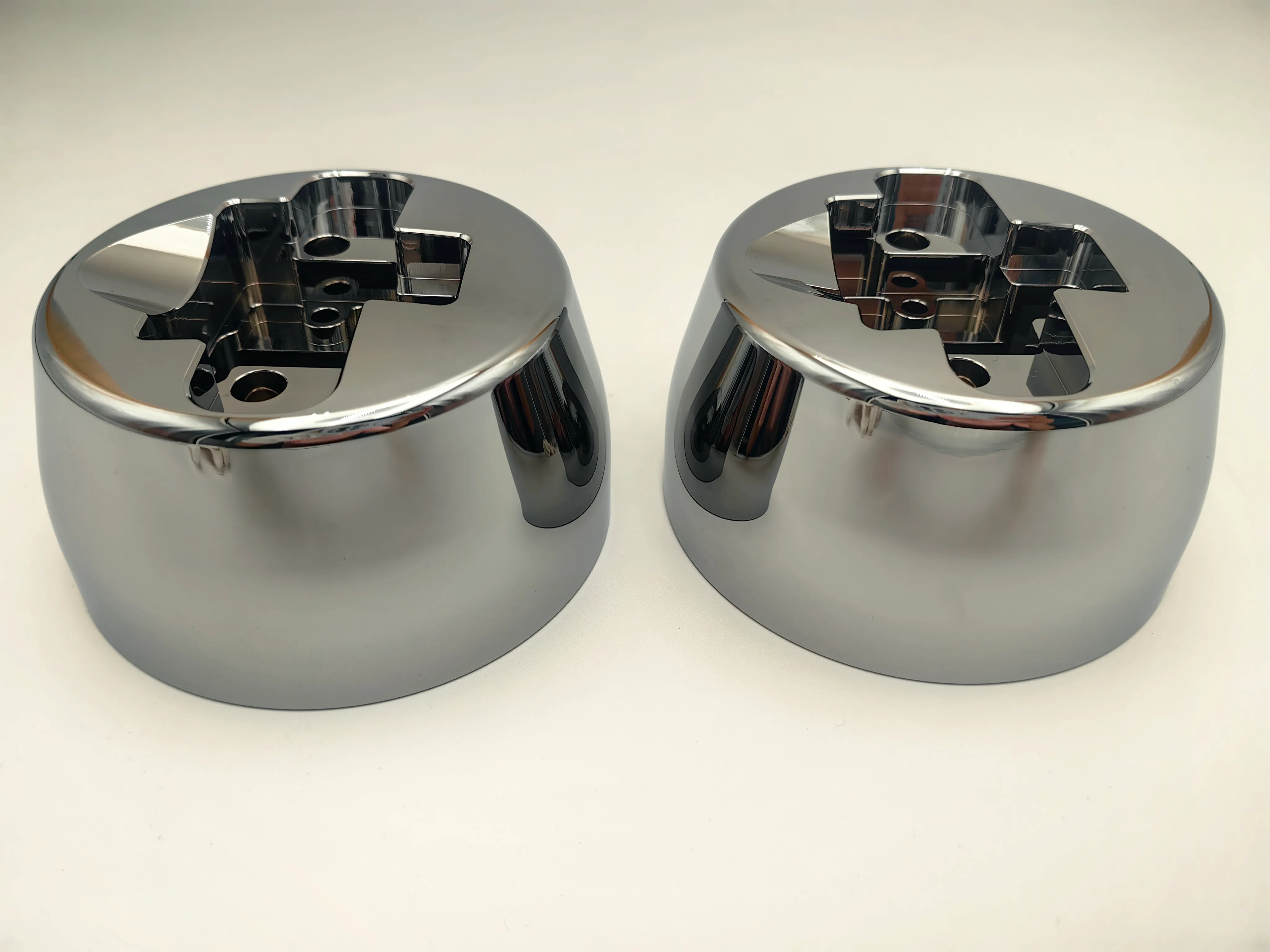
A photo-backed aluminum CNC machining case for high-end coffee machine components, where the internal geometry, visible edge quality, polishing route, and chrome finish all had to work together.
This real component set was made for a premium coffee machine application. The customer information, dimensions, quantity, and performance requirements remain confidential; the photographs document the actual 6061 aluminum parts and their mirror chrome appearance.
Unlike a hidden structural part, this component is seen up close. Its reflective exterior amplifies small scratches, polishing variation, burrs, and edge defects. At the same time, the internal pockets and holes must remain practical for downstream mounting and assembly.
The project demonstrates why aluminum CNC machining for consumer equipment should be planned as one route: CNC geometry, cosmetic edge control, polishing, chrome finishing, inspection, and packing all influence the delivered result.
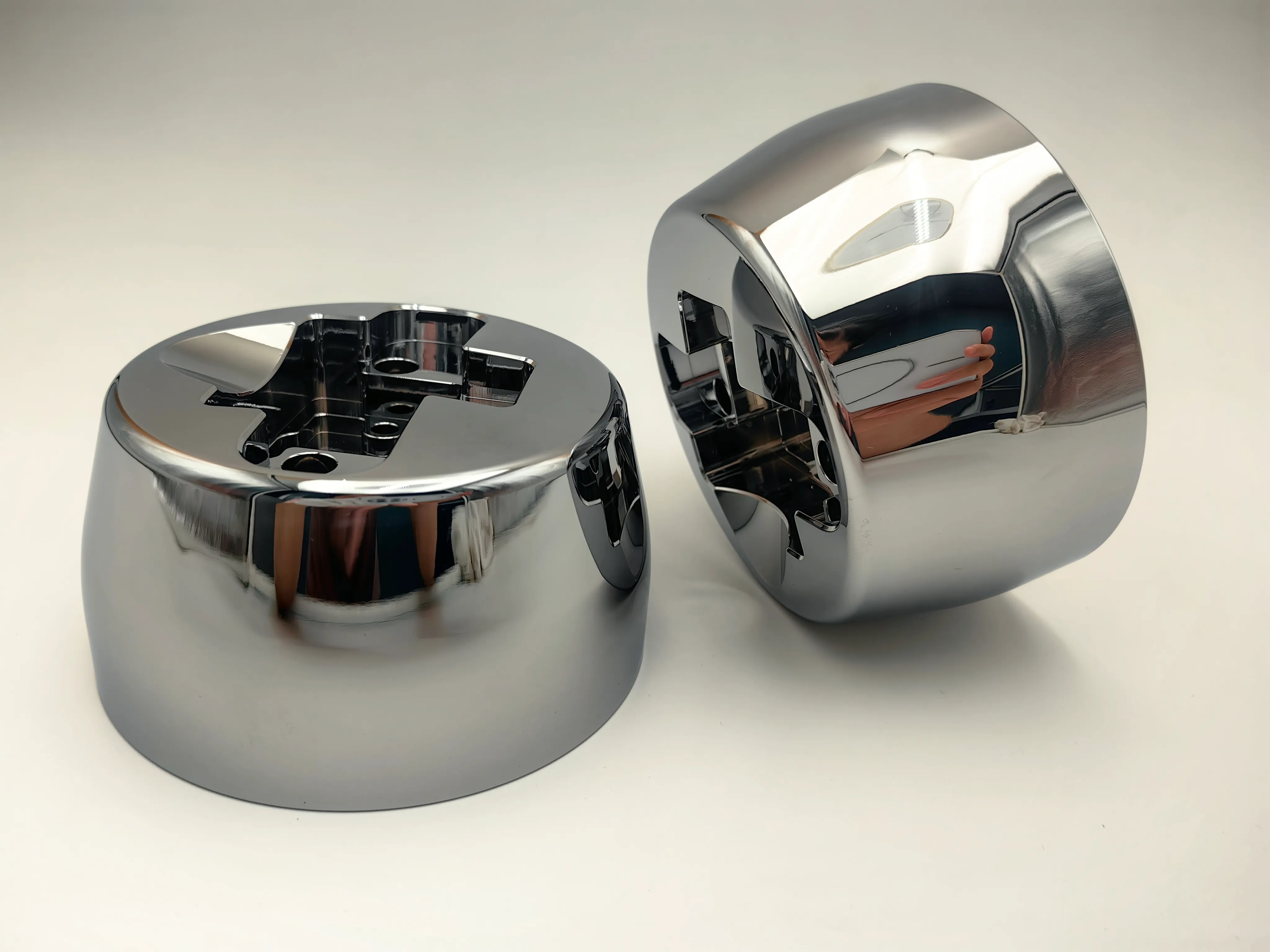
For visible aluminum components, a dimensionally correct part is only the starting point. The production route must protect the finished appearance without losing control of functional interfaces.
The part combines a cylindrical exterior with internal pockets, mounting features, and machined openings. The functional geometry needs to be established before cosmetic finishing begins.
Rounded rims, opening edges, and the transition from the top face to the outer wall remain highly visible after a reflective finish. Tool marks, burrs, and edge inconsistency must be addressed before polishing.
Mirror chrome does not conceal base-surface defects. Surface preparation and polishing are therefore part of the manufacturing route, rather than a final visual touch.
Threads, close fits, contact locations, and protected functional surfaces must be identified on the drawing so the finish plan supports the final coffee-machine assembly.
These pages cover the material, finishing, and coffee-machine manufacturing context related to this case study.
Review CNC 6061 aluminum milling, prototype support, finish options, and material-selection guidance for custom components.
Open Page →Understand chrome and other electroplated finishes, including dimensional planning, masking, and plating contact considerations.
Open Page →Learn why base-surface preparation matters when a visible component needs a high-reflectivity finish.
Open Page →See a separate coffee-machine project covering coordinated supply across PEEK, brass, stainless steel, and aluminum sheet-metal components.
Open Page →Send your CAD file, aluminum grade, finish target, cosmetic acceptance criteria, and required quantity. Huade will review the machining and finishing route before production.