Review service and drawing inputs
We confirm material, environment, quantity, mating interfaces, pressure-related features and the records required with the shipment.
Drawing-based parts for energy equipment
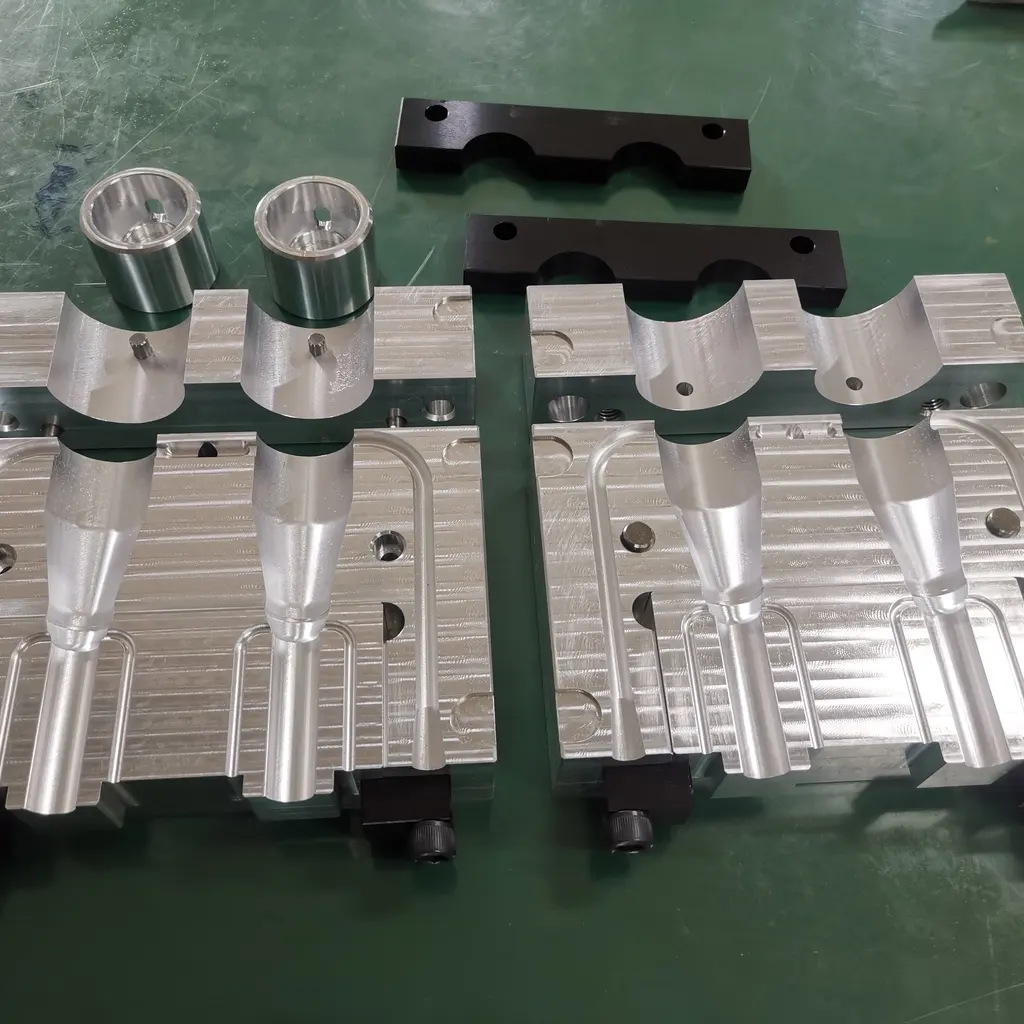
HDProto machines custom parts for oil and gas equipment projects where material identity, threaded interfaces, sealing surfaces and inspection evidence must be defined before production. We support drawing-based prototype, replacement, tooling and repeat-production requirements rather than catalog replacement parts.
Request a quoteThis service fits engineered oilfield and energy-equipment components supplied with usable CAD, drawings, material requirements and acceptance criteria.
Manufacturing route
We confirm material, environment, quantity, mating interfaces, pressure-related features and the records required with the shipment.
Sealing faces, bores, threads and port relationships are tied to functional datums before milling or turning setups are selected.
The route accounts for deep holes, cross-passages, interrupted cuts, thread protection and deburring access where the part geometry requires them.
Inspection is matched to the drawing using suitable gauges, dimensional equipment and requested material or measurement records.
An oil and gas label does not define a material. Grade, condition, corrosion exposure, temperature and documentation requirements should be stated on the RFQ and drawing.
Thread standard, class, gauge method and sealing strategy need to be explicit. NPT, BSPP, metric and custom interfaces are not interchangeable callouts.
Cross-drilled passages and intersecting features need a deburring and cleanliness plan. Identify any pressure boundary or surface where residual burrs are unacceptable.
Application decisions
Custom blocks, supports and tooling parts are reviewed around load paths, replaceable interfaces, wear surfaces and the drawing revision that governs field interchangeability.
Port geometry, sealing faces, bore relationships and internal burr control should be treated as one manufacturing and inspection problem.
Turned components often depend on runout, thread fit, shoulder location and corrosion-resistant material or finishing choices that must remain consistent across repeat lots.
Engineering decision matrix
These are the inputs that change process routing, inspection effort and the usefulness of the completed part. They are not universal specifications; the drawing and service environment remain the source of acceptance requirements.
| Decision | What to review | Risk if omitted | Useful RFQ input |
|---|---|---|---|
| Material and environment | Match grade and condition to corrosion, temperature, load, wear and traceability needs. | A generic steel or stainless callout does not establish field performance or documentation. | State grade, condition, applicable standard and certificate requirements. |
| Threads and sealing | Confirm thread standard, class, gauge, seal type and mating-component details. | Ambiguous ports or sealing faces can pass general inspection and still fail assembly. | Provide complete thread callouts, groove details, roughness and mating-interface information. |
| Internal features | Plan drilling sequence, passage intersections, burr removal and cleanliness verification. | Hidden burrs or chips can obstruct flow, damage seals or contaminate the assembly. | Identify pressure paths, inaccessible intersections and required cleaning or inspection. |
| Release evidence | Agree material, dimensional and first-article records before production. | Documentation requested after shipment may not be recoverable from the completed job. | List certificates, inspection reports, gauges and record-retention expectations in the RFQ. |
We review custom tooling, blocks, valve and manifold components, shafts, sleeves, flanges, adapters and equipment interfaces when the project includes usable CAD, drawings and acceptance requirements.
Material certificates and dimensional reports can be included when they are defined in the RFQ and supported by the selected material source and inspection plan.
Send the model, drawing revision, material and condition, quantity, thread and sealing details, critical datums, finish, inspection records and required delivery date.