Cast Iron CNC Machining Services
Gray and Ductile Iron Parts
Cast iron is useful for machine bases, housings, flanges and equipment parts because it damps vibration, carries compressive load and can hold stable machined interfaces. The machining plan starts with the casting condition, datum pads, skin allowance and the difference between gray and ductile iron behavior.
Best fit
housings, machine bases, flanges, pulleys, covers and equipment parts
Common grades
ASTM A48 gray iron and ASTM A536 ductile iron
Watch point
casting skin, porosity, graphite dust, datum pads and interrupted cuts
Typical route
casting review, datum preparation, rough machining, finish machining and inspection
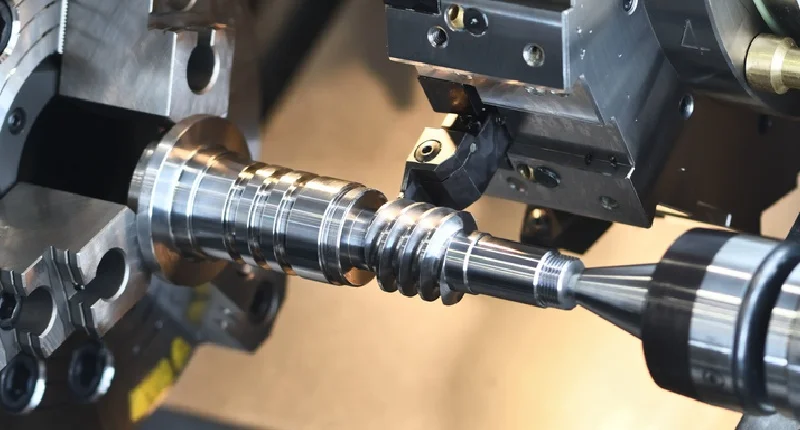
Cast Iron Grades For CNC Machining
Gray iron prioritizes damping and compressive behavior; ductile iron adds tensile strength and impact resistance. Confirm the grade and casting condition before tolerances are assigned.
| Grade | Yield Strength | Tensile Strength | Hardness |
|---|---|---|---|
| ASTM A48 Class 30 Gray Iron | Not normally specified | ≥ 207 MPa | ~ 170-229 HB |
| ASTM A48 Class 40 Gray Iron | Not normally specified | ≥ 276 MPa | ~ 187-241 HB |
| ASTM A536 65-45-12 Ductile Iron | ≥ 310 MPa | ≥ 448 MPa | ~ 143-187 HB |
| ASTM A536 80-55-06 Ductile Iron | ≥ 379 MPa | ≥ 552 MPa | ~ 187-255 HB |
International Grade Comparison
Casting standards are not interchangeable purchase descriptions. State the required grade, heat treatment if applicable, test coupon expectations and whether the casting source is customer-approved.
| ASTM / AISI / UNS | DIN / EN | GB | Engineer Note |
|---|---|---|---|
| A48 Class 30 | EN-GJL-200 / EN 1561 | HT200 | General gray iron for housings, bases and covers where damping and compressive stability matter. |
| A48 Class 40 | EN-GJL-250 / EN 1561 | HT250 | Higher-strength gray iron for loaded equipment structures and wear-facing machined interfaces. |
| A536 65-45-12 | EN-GJS-400-15 / EN 1563 | QT400-15 | Ductile iron with useful elongation for brackets, hubs, flanges and impact-sensitive equipment parts. |
| A536 80-55-06 | EN-GJS-500-7 / EN 1563 | QT500-7 | Higher-strength ductile iron for loaded parts when the drawing still needs meaningful toughness. |
Application Fit Matrix
Use this matrix to connect material choice with manufacturing route, finish expectations, and operating risk before quoting the part.
| Application | Recommended Material | Why This Material Works | Typical CNC Process | Finish / Risk Note |
|---|---|---|---|---|
| Structural Components | Confirm by drawing | Strength, stiffness, and loading determine the best grade. | Milling, turning, drilling | Review wall thickness, threads, and finish requirements. |
| Wear or Sliding Parts | Confirm by environment | Mating material, load, and speed drive wear performance. | Turning, boring, profiling | Specify clearance, surface finish, and lubrication. |
| Fluid or Chemical Parts | Confirm by exposure | Chemical compatibility is more important than generic material labels. | Milling, porting, threading | Share fluid, concentration, temperature, and pressure. |
Selection Rule
Match the grade to the part's real job first: strength, heat, wear, corrosion, insulation, transparency, or cosmetic finish.
DFM Reminder
Material choice changes tolerance risk, burr control, wall thickness, thread strategy, and finishing route.
Quote Tip
Share the operating environment, mating parts, finish expectations, and inspection requirements with the drawing.
What We Check Before Cutting Cast Iron
Cast iron machining is controlled by the casting, not only the toolpath. Establish sound datum pads and remove variable skin before relying on precision features.
- 1
Inspect The Casting Before Precision Work
Porosity, hard spots, scale and stock variation should be identified before finish machining consumes the remaining allowance.
- 2
Separate Casting And Machining Datums
A rough casting surface is rarely a reliable production datum. Define machined pads or functional features that can be recreated during inspection.
- 3
Plan Dust And Burr Control
Graphite-rich chips and dust behave differently from steel swarf. Tooling, extraction, machine protection and cleaning need to suit the grade and process.
Surface Treatments That Actually Fit
Cast iron normally needs corrosion protection unless the part remains in a controlled, lubricated environment.
1. Black Oxide or Phosphate
Low-build treatments for indoor components when light corrosion protection and dimensional continuity matter.
2. Paint or Powder Coat
Common for housings, bases and machine structures. Mask machined datums, bores, threads and sealing faces.
3. Oil or Rust Preventive
A practical shipping and storage measure for uncoated machined surfaces, but not a permanent outdoor finish.
Send The Details That Change The Quote
Send the casting drawing and machined-part drawing with grade, source condition, datum pads, stock allowance, critical interfaces, finish and inspection requirements.
Material condition
Name the exact grade, stock condition and certificate requirement. The same alloy can machine and perform differently after heat treatment, aging or cold work.
Functional features
Flag threads, bearing bores, sealing faces and mating materials. These features determine the machining sequence, surface requirement and inspection plan.
Finish and release
Include coating, masking, cosmetic zones and report needs in the controlled RFQ so finished dimensions and acceptance criteria are aligned before production.