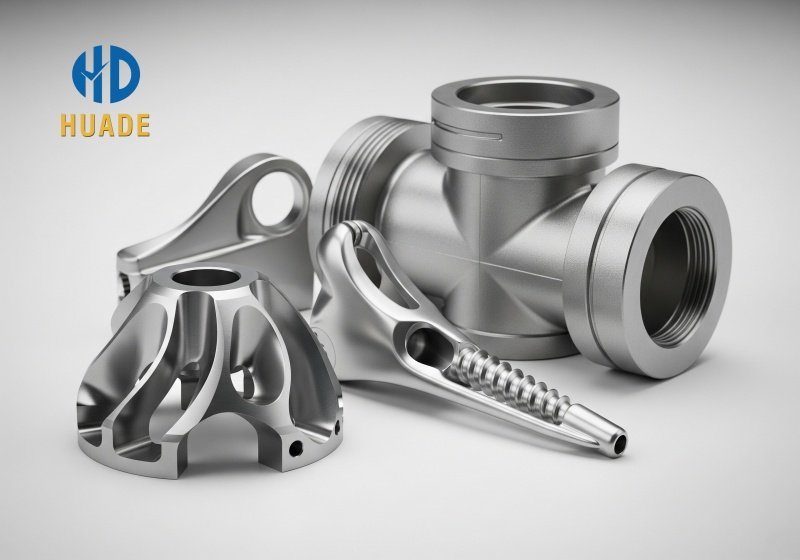
Titanium is a material of paradox. Revered for its exceptional strength-to-weight ratio, corrosion resistance, and biocompatibility, it is used in aerospace, medical and defense components. Its poor thermal conductivity, elasticity and chemical reactivity also make it difficult to machine consistently. For the general definition of functional datums, GD&T and inspection evidence, see our tight-tolerance CNC machining service.
Understanding The Titanium Machining Challenge
Unlike aluminum or steel, titanium requires a specialized approach. Heat generated during cutting concentrates at the tool-workpiece interface because the material does not conduct it away efficiently. This accelerates tool wear and can contribute to thermal distortion.
Titanium’s elasticity can also produce spring-back during machining. Rigid setups, suitable tooling and stable cutting parameters are needed to reduce chatter and preserve the intended geometry. At high temperatures, titanium may react with tool materials, so tool selection and coolant delivery affect both surface integrity and process stability.
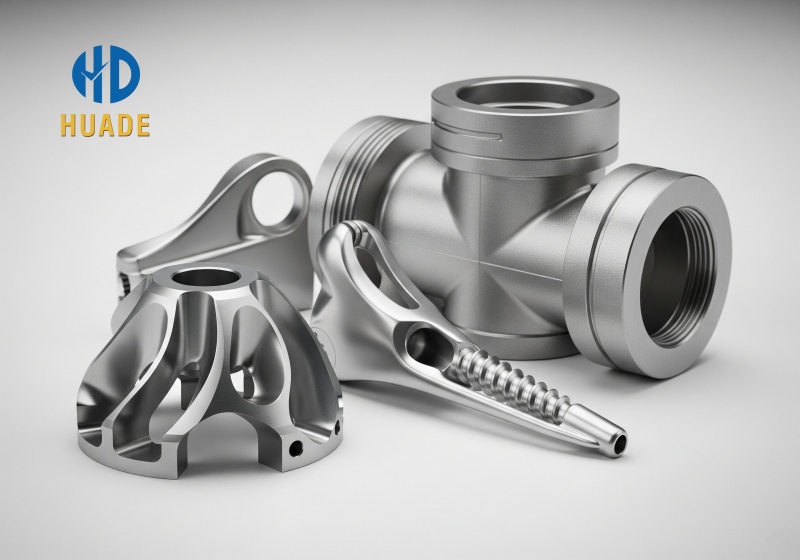
A Practical Strategy For Titanium CNC Machining
Protect Rigidity And Datum Stability
Complex titanium parts benefit from a rigid machine, a workholding plan that avoids distortion and a setup sequence that protects the functional datums. Multi-axis access can reduce re-fixturing for suitable geometries, but the route should be selected based on tool access, rigidity, feature relationships and inspection requirements.
Match Tooling And Cutting Parameters To The Alloy
Carbide tools with suitable coatings, conservative cutting conditions and reliable chip evacuation can help control heat and wear. The correct parameters depend on the alloy, stock condition, tool geometry, feature depth and machine capability; generic speeds and feeds should be validated rather than copied blindly.
Deliver Coolant To The Cutting Zone
High-pressure coolant can improve chip evacuation and reduce localized heat at the cutting edge. It is one part of a process plan that also includes tool life monitoring, stable workholding and a finishing pass from a controlled condition.
Simulate And Inspect The Process
CAM simulation helps identify collisions, excessive tool reach and unstable toolpaths before cutting. Inspection should then focus on the features that control fit, alignment, sealing or load transfer, using the datum reference frame defined on the drawing.
Applications For Titanium Components
Titanium machining is used for lightweight aerospace structures, medical instruments and implant-related components, and corrosion-resistant oil-and-gas hardware. Each application still needs its own drawing, material condition, surface treatment and inspection requirements; the material name alone does not define an acceptable process.
What To Include In A Titanium RFQ
Provide the alloy and heat-treatment condition, CAD model, drawing revision, critical datums, GD&T, surface finish, quantity and required inspection records. Also identify thin walls, deep pockets, threaded features, sealing faces and any surfaces that must be measured before or after finishing. These details allow the process route to be reviewed around the actual function of the part.
For a drawing review or production quote, send the package through our tight-tolerance CNC machining service or contact Huade.