Nickel chrome plating and chrome plating are often used as if they mean the same thing. They do not. Decorative chrome is commonly built over nickel, while hard chrome is specified for wear-related function and needs its own thickness, grinding and masking plan.
For CNC parts, choose a finish after defining the base material, corrosion environment, wear condition, cosmetic standard and critical dimensions. Plating adds material; it must be planned before final machining, not added after the drawing is released.
Understanding the Basics of Electroplating
Electroplating deposits metal on a conductive part by electric current. The coating can improve corrosion resistance, wear behavior or appearance, but the actual result depends on substrate preparation, coating system, thickness, post-treatment and the service environment.
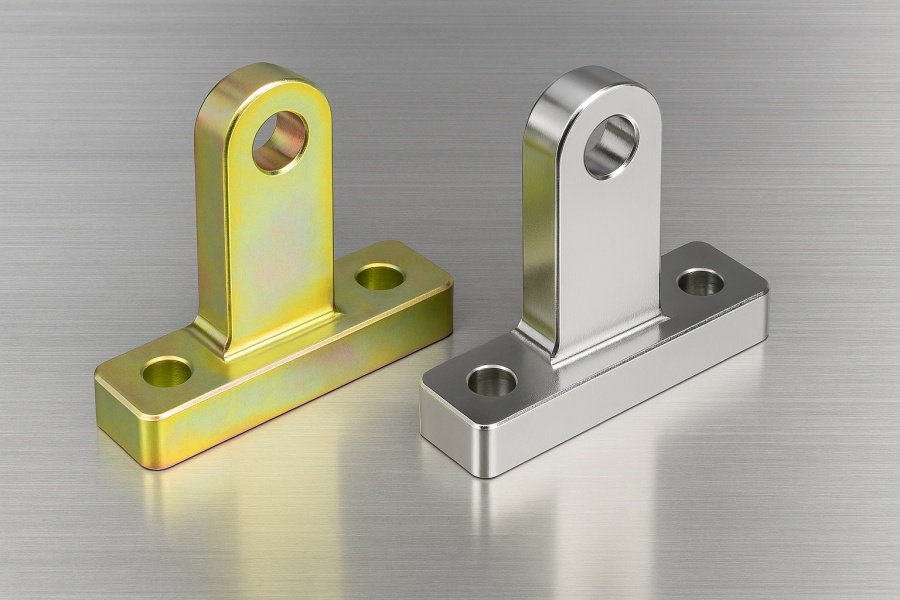
Nickel Chrome Plating vs Chrome Plating: The Core Showdown
| Finish system | Best fit | Main caution |
|---|---|---|
| Nickel + decorative chrome | Visible parts needing a bright finish and corrosion resistance | Substrate polishing and coating thickness affect appearance and fit |
| Hard chrome | Wear surfaces, shafts or rebuild work when a specified system supports it | Thickness, post-grinding and environmental compliance must be agreed first |
| Nickel | Corrosion or decorative protection where chrome is not needed | Confirm the nickel type and thickness for the environment |
| Zinc | Cost-sensitive steel hardware needing sacrificial corrosion protection | Not a substitute for nickel or chrome where appearance or wear is critical |
Nickel Plated vs Chrome: A One-on-One Battle
Nickel plating is a practical choice when corrosion protection or a uniform metallic appearance matters. Decorative chrome is usually the visible top layer in a nickel-chrome system. Do not choose by shine alone: a part exposed to salt, abrasion, heat or mating fits needs a defined coating specification and acceptance standard.
Nickel Plated vs Chrome Plated: Dual Layers vs Single Coat
The useful comparison is not simply nickel plated vs chrome plated; it is single-layer nickel versus a specified nickel-chrome system. The layered system can offer a more durable decorative finish, but it requires more preparation and process control. Ask the finisher to confirm the base-material preparation, layer stack, thickness range and any post-treatment.
Nickel vs Zinc Plating Metal: Budget vs Durability
Zinc is usually selected for cost-effective sacrificial protection on steel hardware. Nickel is more often chosen where a metallic appearance, a different corrosion strategy or a specific functional coating is needed. See our nickel vs zinc plating guide for the detailed comparison.
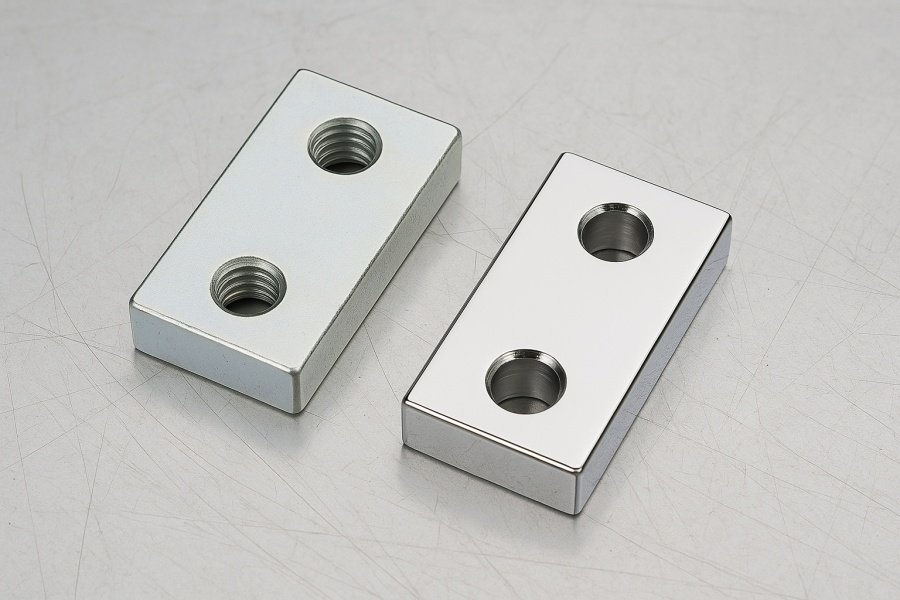
Practical Applications and Considerations
Use a sample or first article for cosmetic parts, especially where the surface must match an approved standard. For close bores, threads, bearing fits and sealing surfaces, state whether the dimension applies before or after plating and how it will be measured.
Making the Right Choice for Your Project
Include these items in the RFQ: base material, intended environment, coating system or standard, thickness range, cosmetic reference, critical dimensions after plating and required inspection evidence. Our electroplating service and surface finishing services explain the available finishing routes for custom CNC parts.