What Makes A CNC Component Precision-Critical?
Defining Precision CNC Components
Precision CNC components are parts whose dimensional relationships, surface condition or repeatability directly affect assembly and product performance. CNC technology is only one part of the solution; the drawing, material, workholding, tool strategy and inspection method must support the same functional requirement.
Unlike standard parts, precision CNC components demand strict adherence to design specifications. Even minor deviations can compromise performance in critical applications like medical devices or aerospace equipment.
Separate Functional Requirements From Generic “High Precision” Language
Precision-critical components should be described through three connected requirements:
-
Functional controls: Size, position, form, orientation or profile callouts tied to assembly function
-
Surface condition: Roughness, edge condition and finish requirements on the surfaces that actually contact, seal or move
-
Repeatability: A documented process and sampling plan that keeps the result stable across the intended batch
This framing avoids assigning an expensive blanket tolerance to features that do not control product performance.
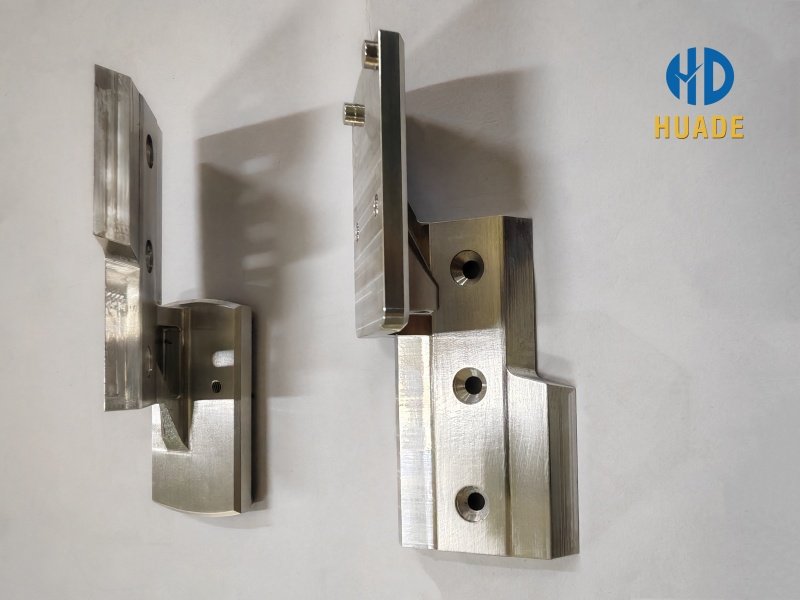
Production Controls For Precision CNC Components
Selecting the Right Equipment for High Precision CNC
The foundation of quality precision CNC components lies in machine capability. High precision CNC machines require:
-
Rigid bed structures with stress-relieved cast iron
-
C3/C5 grade pre-stretched ball screws
-
Ceramic or magnetic bearings in spindles
-
Laser interferometer calibration systems
Regular maintenance is equally critical. Servo motors, guide rails, and spindles need quarterly inspections to prevent wear-related accuracy loss.
Tooling Strategies for Precision Machined Parts
Tool selection directly impacts precision CNC components quality. For optimal results:
-
Use PCD or CBN tools for hard materials like titanium
-
Apply TiAlN or DLC coatings to reduce wear
-
Employ HSK tool holders for <3μm runout
-
Implement offline tool presetting to eliminate machine downtime
Tool maintenance schedules should include weekly checks for wear and tear. Replacements are necessary at the first sign of degradation to protect precision.
Optimizing Parameters For Stable Feature Control
Parameter adjustment is a make-or-break factor in a stable CNC process. Review these points with the material, geometry and toolpath rather than copying generic settings:
-
Match cutting speed to material: 1500+ RPM for aluminum, 300-500 RPM for titanium
-
Use “high speed, light cut” strategy for finishing passes
-
Implement thermal compensation for temperature fluctuations
-
Adopt constant surface speed (G96) for turning operations
Real-time monitoring systems can detect parameter drift and trigger automatic adjustments, preserving precision.
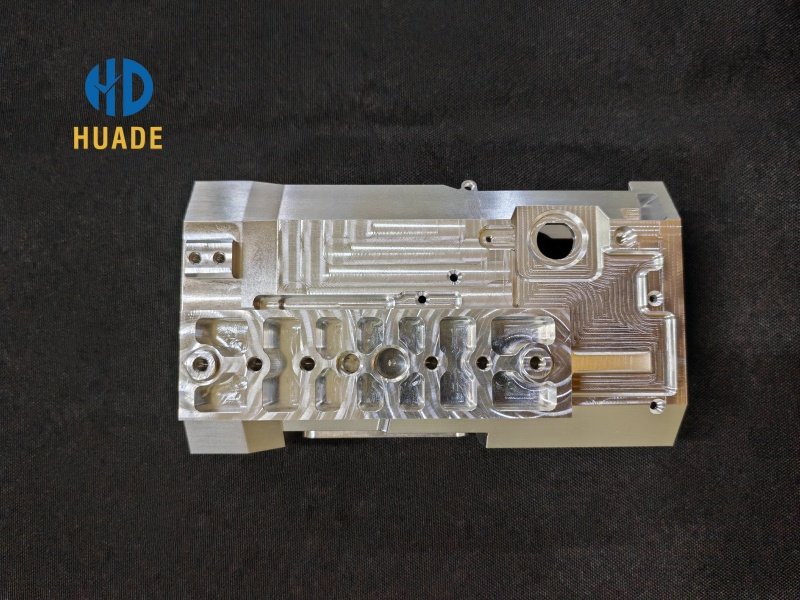
Precision Medical Machining: Critical Considerations for Healthcare Components
Meeting Medical Industry Standards for Precision CNC Components
Precision medical machining demands more than tight tolerances. Compliance requirements include:
-
ISO 13485 certification for manufacturing processes
-
Biocompatible materials (titanium, PEEK, 316L stainless steel)
-
Particle-free surface finishing
-
Full batch traceability from raw material to delivery
Implantable precision CNC components often require electropolishing or passivation to ensure tissue compatibility.
Tolerance Challenges in Precision Medical Machining
Medical applications push precision CNC components to their limits. Examples include:
-
Orthopedic implants: ±0.002mm tolerance for joint surfaces
-
Endoscopic parts: Micro-drilled holes <0.5mm diameter
-
Surgical instruments: Razor-sharp edges with Ra 0.1μm finish
Achieving these specs requires 5-axis machines with in-process probing systems.
CNC Precision Turning Components: Best Practices
Core Techniques for CNC Precision Turning Components
CNC precision turning components rely on specialized processes:
-
Single-setup machining to eliminate alignment errors
-
Steady rests for long, thin workpieces
-
Live tooling for complex features (drilling, milling)
-
Thread rolling for stronger, more precise threads
Thermal stabilization of the turning environment is critical—even 1°C temperature shifts can affect dimensions.
Material-Specific Strategies for CNC Precision Turning Components
Different materials demand tailored approaches for CNC precision turning components:
-
Aluminum: High-speed turning (2000+ RPM) with carbide tools
-
Stainless steel: Coolant-through tools to prevent work hardening
-
Titanium: Low-speed, high-feed rates with PCD inserts
-
Plastics: Sharp tools with polished flutes to avoid chipping
These strategies ensure both precision and efficient material removal.
Common FAQs About Precision CNC Components
How Can I Verify Precision of CNC Machined Parts?
Use a combination of inspection tools:
-
Calipers for basic dimensional checks
-
Micrometers for sub-millimeter measurements
-
Optical comparators for geometric features
-
Coordinate Measuring Machines (CMM) for comprehensive analysis
In-process probing systems can catch errors before parts are completed.
What Causes Tolerance Deviations in Precision CNC Components?
Top culprits include:
-
Machine tool wear (spindle bearings, guide rails)
-
Temperature fluctuations in the shop
-
Tool deflection from excessive cutting forces
-
Inadequate fixturing leading to part movement
Preventive maintenance and environmental controls mitigate these issues.
How to Validate The Process Before The Batch
Validate a proposed process through:
-
Machine and measurement calibration records
-
A critical-feature inspection plan tied to the drawing datums
-
A first-article or sample report that shows actual feature results
-
A repeat-production plan covering tool wear, finishing and sampling
Request sample parts and the relevant measurement evidence before locking the production route.
What The RFQ And Inspection Package Should Include
For a precision CNC component, the RFQ should include:
-
Revision-controlled CAD and drawing files
-
Material grade, heat treatment and finishing state
-
Functional datums, GD&T and a critical-feature list
-
Required CMM, FAI, material and surface-finish evidence
These inputs let engineering connect the machining route to the actual component function and give purchasing an auditable basis for comparing production proposals.
Conclusion: Make Precision Measurable
Precision CNC components are controlled through a chain of decisions: equipment, tooling, workholding, material, environment, finishing and measurement. A strong specification makes each decision visible and measurable.
Whether you need CNC precision turning components or complex medical parts, focusing on these fundamentals will drive better performance and reliability. The right production route is the one that protects the functional features and produces evidence that the delivered parts meet them.
Remember: In precision manufacturing, the difference between success and failure often measures in microns. Choose your processes and partners accordingly.
Ready to Discuss Your Precision CNC Components Needs?
If you’re preparing a precision component package—whether it is for industrial equipment, a medical device or a CNC-turned assembly—define the function, datums, material, finish and inspection evidence before requesting production pricing.
For a production review, send the CAD model, drawing revision, quantity, material and critical-feature list through the tight-tolerance CNC machining service.