Thin Walls
Balanced stock removal and supported workholding help limit movement in housings and deep pockets.
Upload your drawing for CNC 6061 aluminum milling, turning, prototyping or repeat production. Huade reviews wall thickness, datums, tolerances, threads, anodizing allowance and inspection requirements before machining starts.
Common temper
6061-T6 / T651
Processes
3, 4 and 5-axis milling, turning
Order fit
Prototype to repeat production
Typical finishes
Anodizing, blasting, polishing
6061 is a practical default for custom aluminum parts because it combines good machinability, useful strength, corrosion resistance, weldability and a predictable anodizing response. It is widely specified for housings, brackets, plates, heat sinks, fixtures and turned components.
Our 6061 aluminum machining process starts with the drawing, not a generic tolerance promise. We review material condition, stock form, tool access, thin walls, critical datums, threaded features and finish build-up so the quoted route matches the delivered part.
The drawing determines the machine route. We select milling, turning or multi-axis machining around geometry, datum continuity, tool access and inspection needs.
| Process | Best Fit | Planning Focus |
|---|---|---|
| CNC milling | Housings, pockets, plates, brackets and heat sinks | Fixture access, wall support, flatness and burr control |
| CNC turning | Shafts, spacers, bushings, sleeves and threaded parts | Diameter, runout, thread fit and surface finish |
| 5-axis machining | Multi-face parts and complex compound geometry | Datum transfer, tool reach and inspection access |
Balanced stock removal and supported workholding help limit movement in housings and deep pockets.
Thread milling, formed threads or inserts are selected around size, load and repeated assembly needs.
Visible surfaces are identified before programming so clamps, tool marks and handling can be controlled.
Critical fits and masked features are reviewed before the finish route is released.
Choose 6061 when corrosion resistance, anodizing, weldability, availability and balanced cost matter alongside strength.
Consider 7075 when higher strength and fatigue performance justify the material cost and reduced weldability.
| Finish | Best Fit | Drawing Note |
|---|---|---|
| Type II anodizing | Corrosion protection and color | Define visible faces, color range and masking. |
| Hardcoat anodizing | Wear and dielectric requirements | Account for coating build-up on fits and threads. |
| Bead blasting | Uniform matte cosmetic texture | Agree a sample for appearance-critical batches. |
| Polishing | Bright decorative surfaces | Geometry and edge definition affect the result. |
01 / Material
State the exact alloy, temper and any material certification requirement in the RFQ.
02 / Critical Features
Mark fits, threads, flatness, runout and features that require documented inspection.
03 / Finish
Show visible faces, masking zones, color targets and handling acceptance on the drawing.
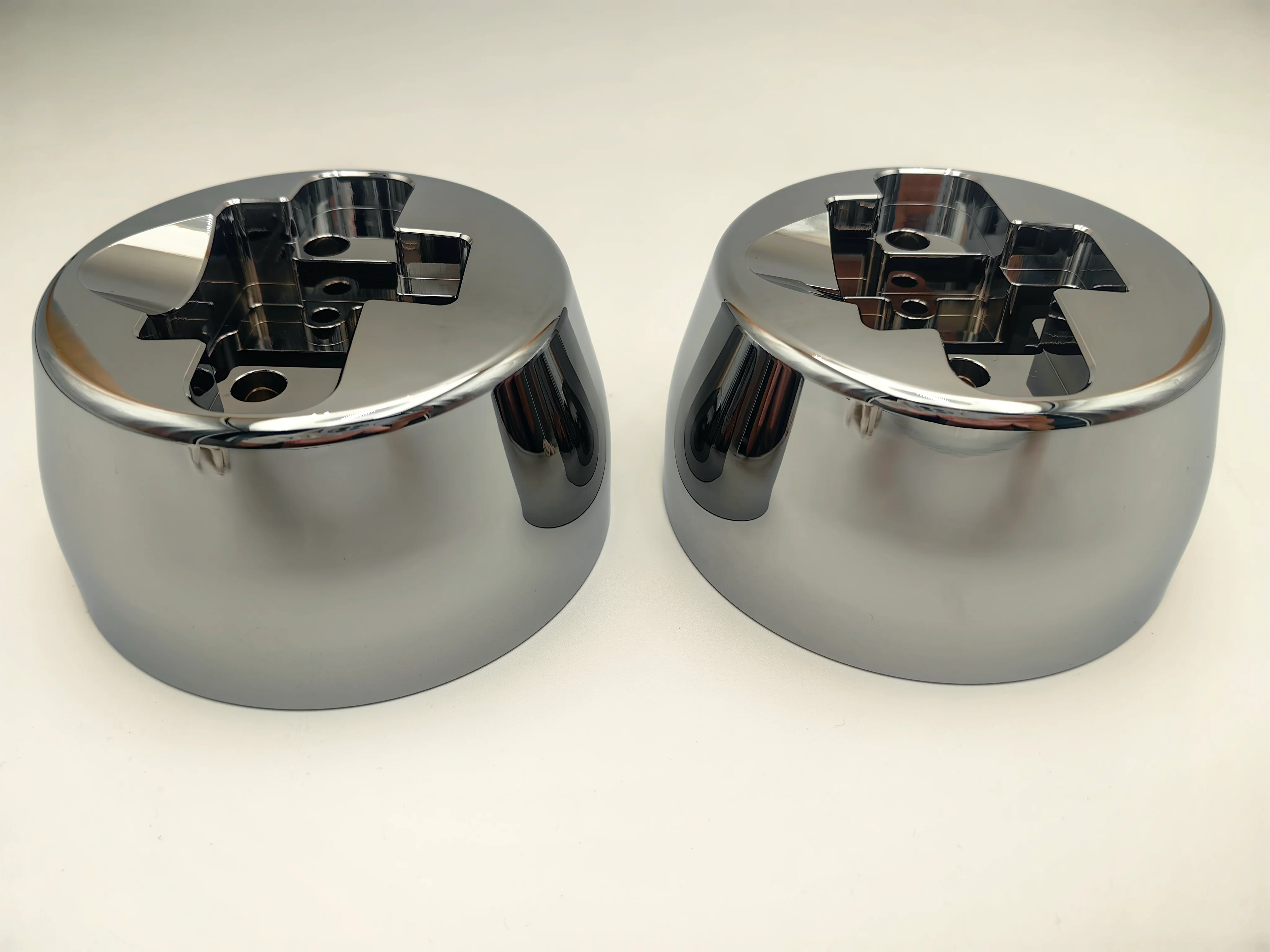
Real 6061 projects covering CNC milling, turning, polished cosmetic surfaces, paint, chrome plating and repeat supply.
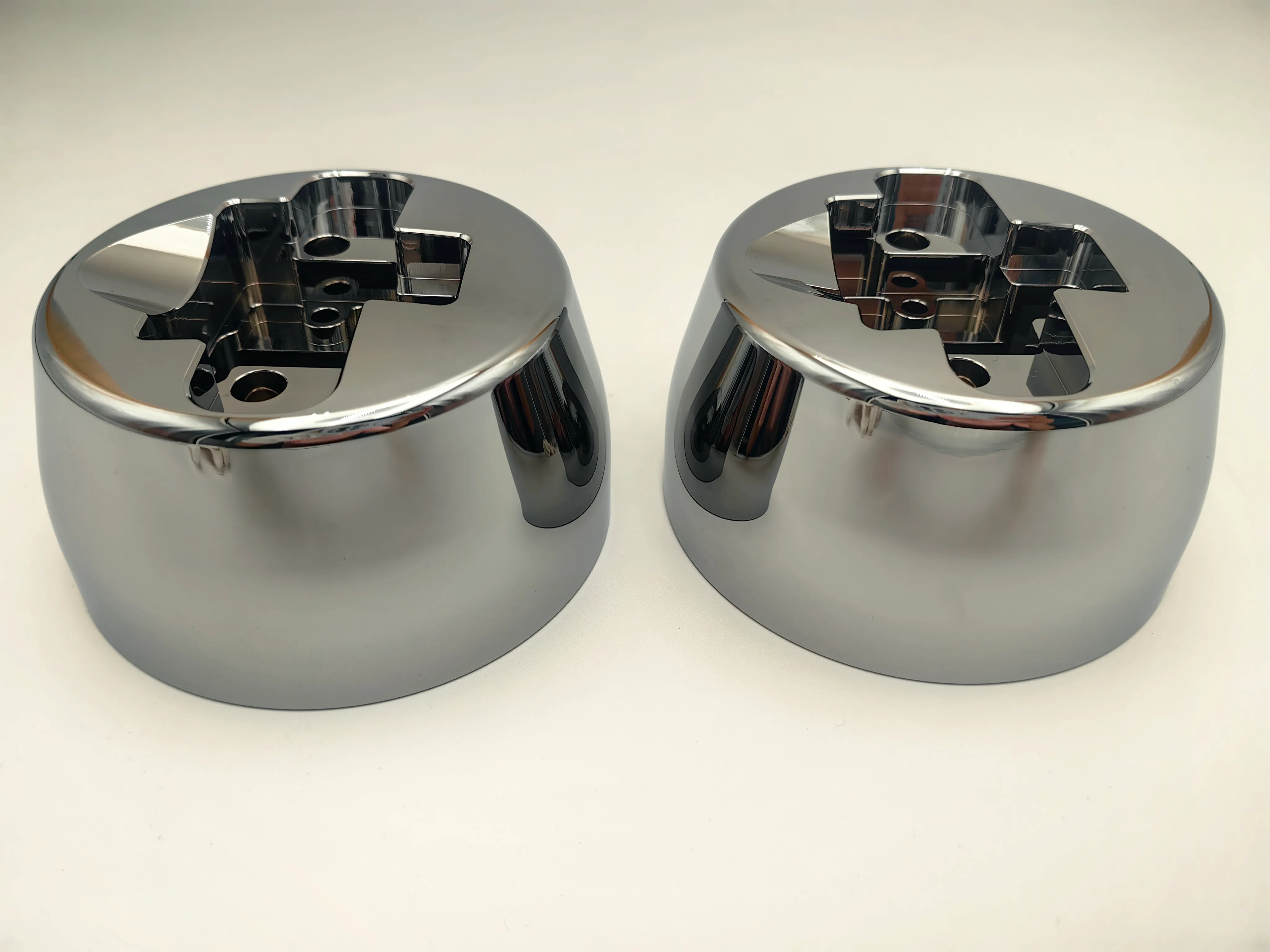
A photo-backed case showing appearance-critical 6061 aluminum machining for premium coffee equipment, with polished surfaces, chrome finishing, and functional internal geometry.
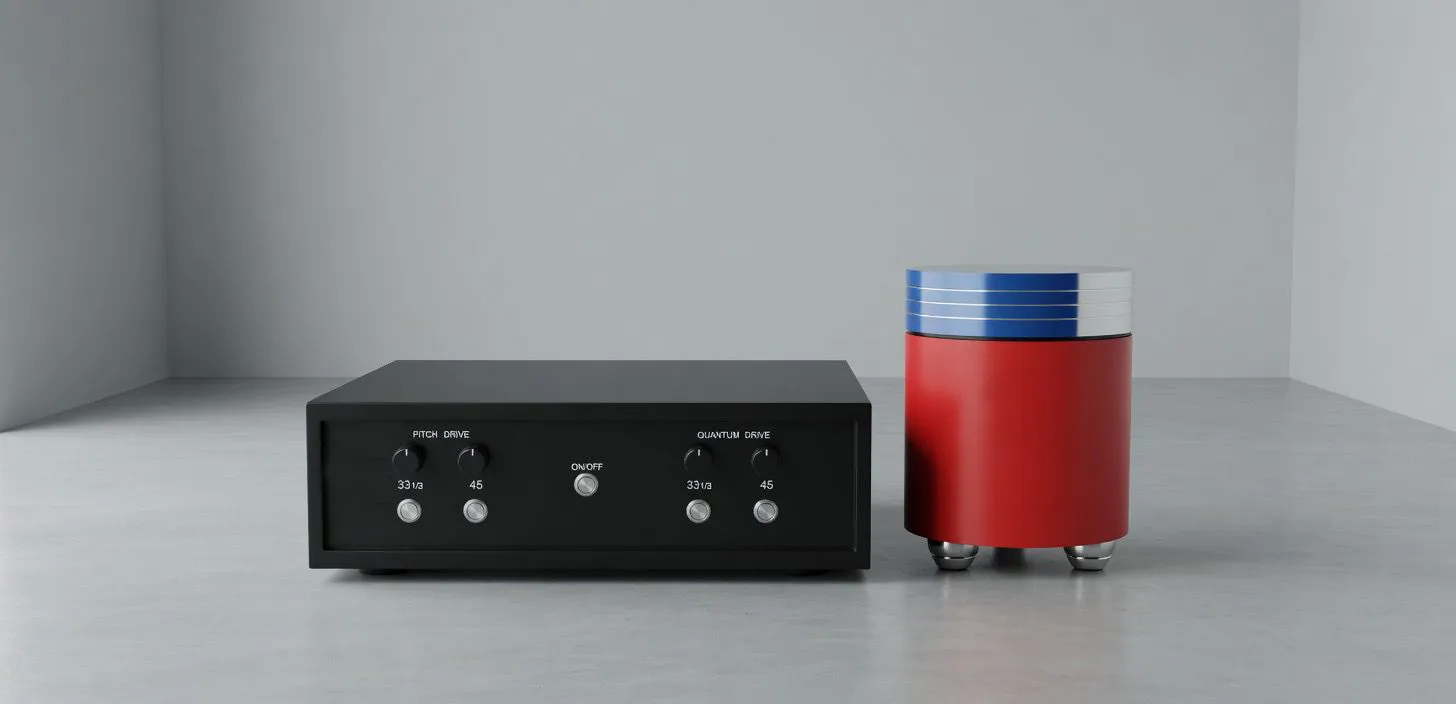
A full visible 6061 aluminum component set combining CNC machining, black baking paint, Ferrari red automotive paint, mirror polishing, and chrome plating.
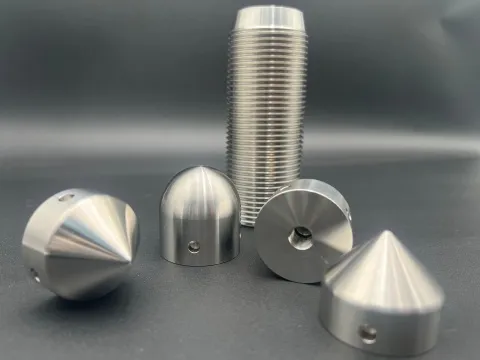
A 4+ year supply relationship built on cosmetic control for thin long curved speaker parts, bare 7075 and 5074 deliveries, and scratch-free visible surfaces.
Yes. 6061 machines efficiently and supports milled, turned, drilled, threaded and anodized parts across prototypes and production quantities.
Yes. Huade provides 3-axis, 4-axis and 5-axis milling for custom 6061 housings, brackets, plates, heat sinks and other drawing-based components.
Both use the T6 heat-treatment condition. T651 also includes stress relief by stretching, which can help dimensional stability when substantial stock is removed.
Yes. 6061 is commonly clear, black, color or hardcoat anodized. Critical dimensions, masking and cosmetic acceptance should be defined before machining.
Send the CAD model, 2D drawing, quantity, material temper, finish and inspection requirements. Our team will review the machining route and quote the part.
CAD Model
STEP, STP, IGS or X_T
Drawing
Critical tolerances and threads
Order Details
Quantity, finish and delivery target