CMM Inspection
Dimensional checks for bores, sealing faces, hole positions, flatness, and critical mounting interfaces.
HDProto machines CNC automotive parts for EV platforms, powertrain systems, brake hardware, transmission components, fixtures, and prototype builds. Our team combines CNC milling, CNC turning, surface finishing, and CMM inspection to hold tight tolerances down to +/-0.01 mm.
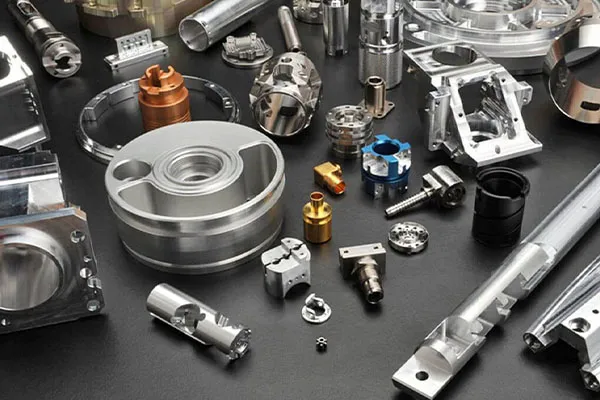
Vehicle parts face heat, vibration, friction, and assembly stack-up. We control CNC automotive parts with inspection planning, fixture discipline, material records, and practical DFM feedback before production starts.
Explore QualityDimensional checks for bores, sealing faces, hole positions, flatness, and critical mounting interfaces.
Material certificates and batch records support aluminum, alloy steel, stainless steel, titanium, brass, POM, and ABS programs.
First-article inspection, controlled sampling, and production readiness documentation for low-volume and repeat orders.
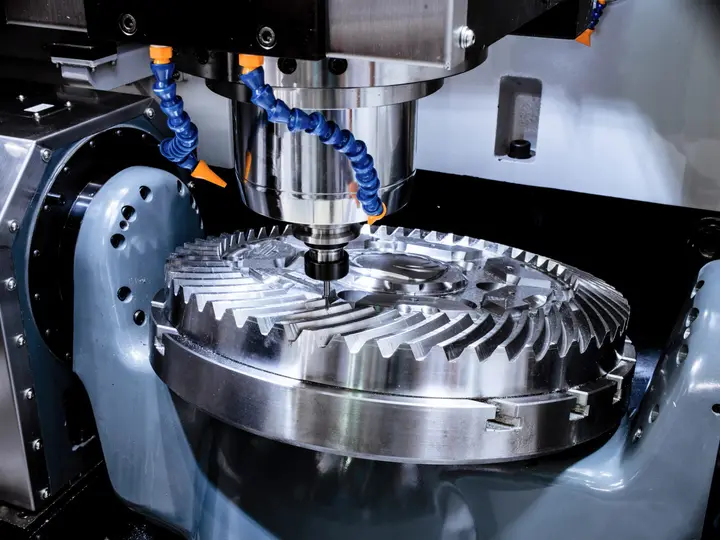
3, 4, and 5-axis machining for EV brackets, battery plates, housings, engine mounts, and complex automotive part machining features.
Explore Milling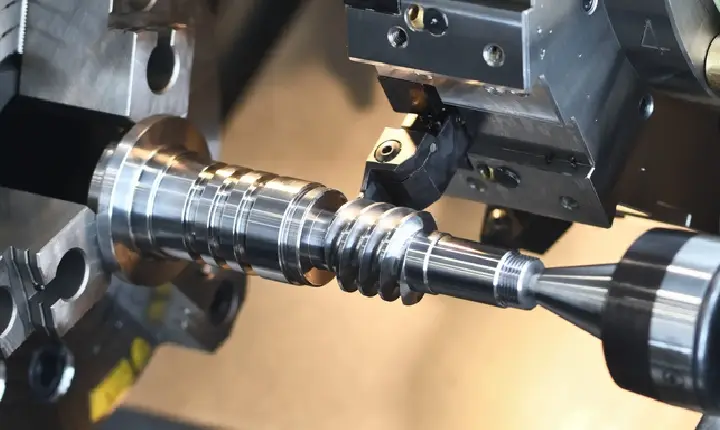
Concentric shafts, bushings, pistons, sleeves, actuator cylinders, and gearbox hardware produced from aluminum, steel, and stainless alloys.
Explore Turning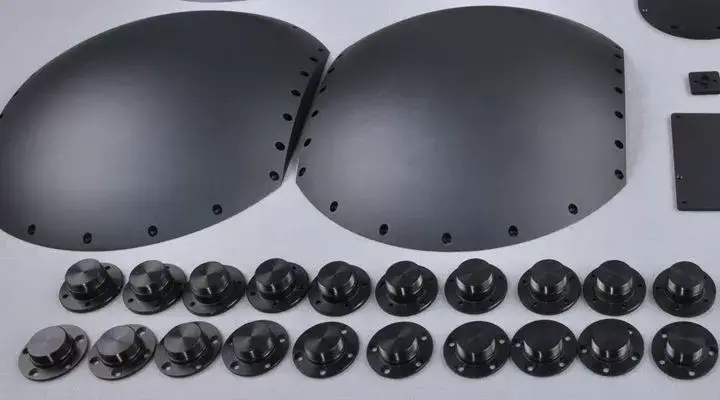
Anodizing, passivation, black oxide, bead blasting, painting, polishing, and plating for corrosion control, wear resistance, and visual validation.
Explore Finishes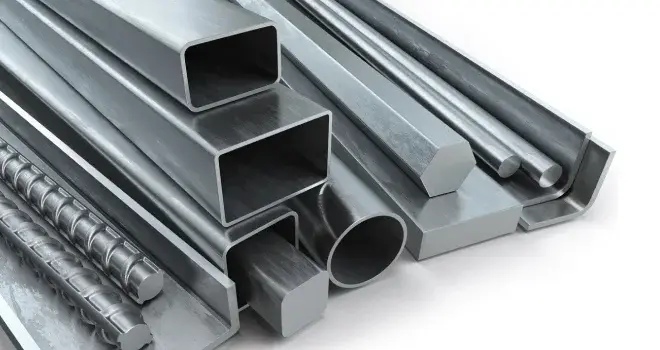
Lightweight, corrosion resistant, and efficient to machine for EV brackets, housings, battery plates, engine covers, and fixtures.
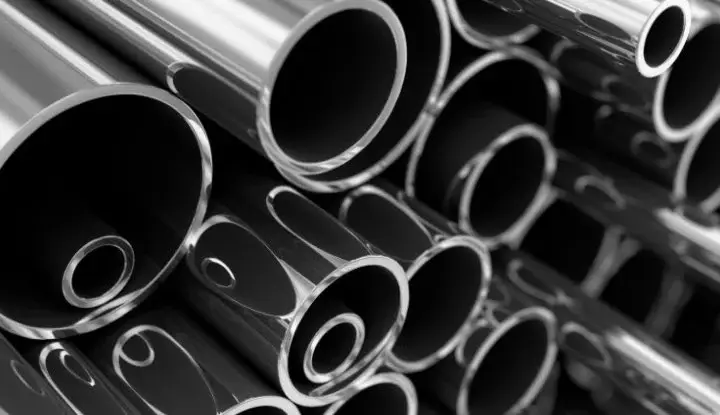
High strength and fatigue resistance for shafts, gears, drivetrain adapters, pins, and heavy-duty automotive hardware.
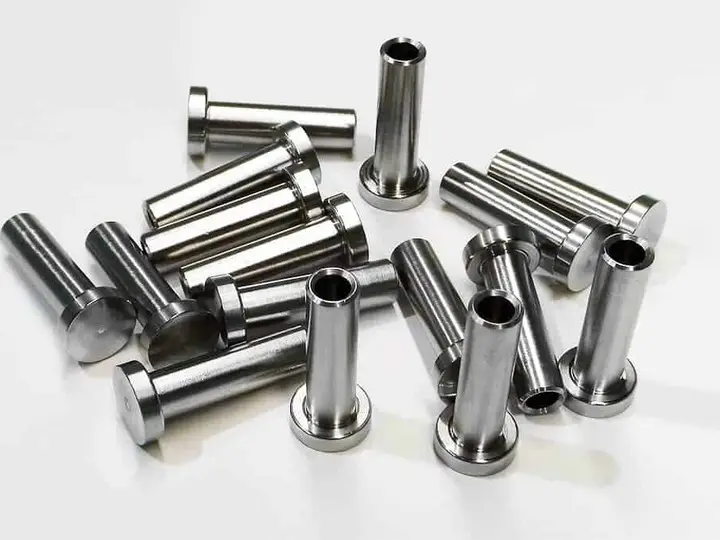
Heat and corrosion resistance for exhaust-related parts, turbocharger hardware, fluid fittings, sleeves, and sensor mounts.
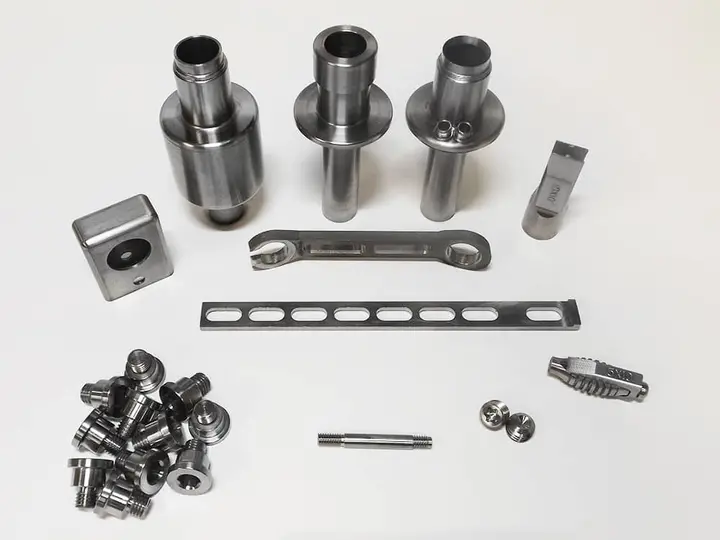
High strength-to-weight performance for motorsport parts, racing brake hardware, custom fasteners, and high-load assemblies.
HDProto supports automotive engineers, custom builders, Tier suppliers, and EV teams with prototype and low-volume CNC automotive parts.
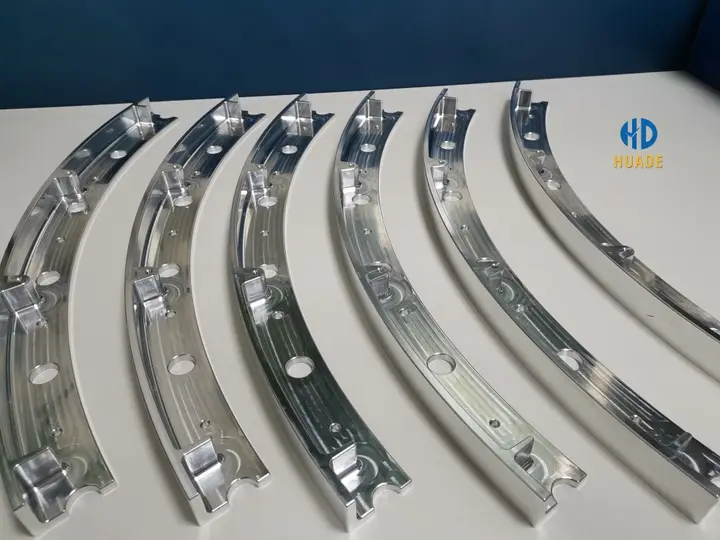
Custom CNC automotive parts for battery, inverter, motor, gearbox, and drivetrain development programs.
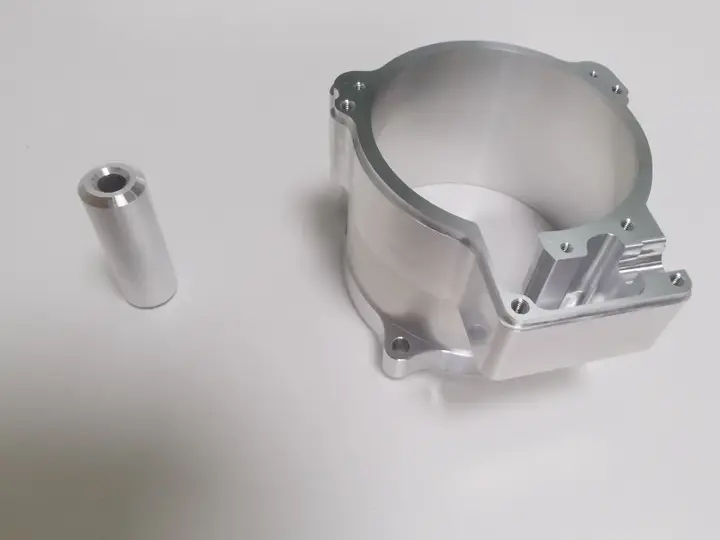
Low-MOQ CNC machining for fit checks, test rigs, motorsport components, and pre-production validation builds.
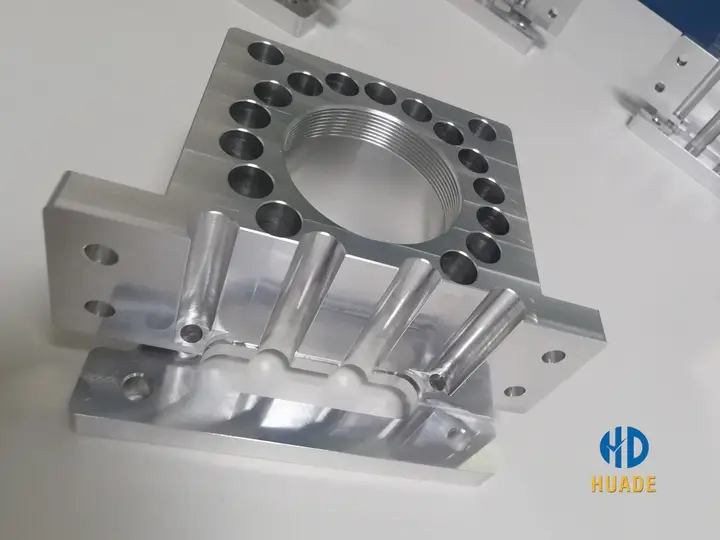
Multi-step pockets, bores, passages, sealing faces, and mounting interfaces for demanding vehicle assemblies.
Automotive part machining gives engineers a direct path from CAD data to functional metal or plastic parts. Compared with tooling-dependent processes, CNC machining supports fast iteration, real material testing, and accurate features such as bores, pockets, threads, sealing faces, and mounting holes.
It is especially useful for EV platforms, performance vehicles, motorsport programs, replacement parts, and pre-production builds where component geometry may still change. HDProto combines 3-axis and 5-axis CNC milling with precision turning, so complex CNC automotive parts can be made with fewer setups and better dimensional consistency.
| Requirement | Typical Choice | Machining Note |
|---|---|---|
| Lightweight EV structures | 6061-T6 or 7075-T6 aluminum | Use milling for pockets, ribs, countersinks, and sealing faces. |
| High-load drivetrain parts | 4140, 8620, or stainless steel | Turning and grinding-ready features help control concentricity. |
| Prototype interior or fixtures | ABS, POM, aluminum, or brass | Low-MOQ machining supports quick test, refine, and repeat cycles. |
Automotive part machining is the CNC milling, turning, drilling, boring, and finishing of vehicle parts from metals or engineering plastics. It is used for prototypes, EV components, drivetrain parts, brake hardware, fixtures, replacement parts, and small-batch production.
Typical automotive machining tolerances depend on geometry, material, and inspection method, but HDProto can support tight features down to +/-0.01 mm where the part design, setup, and material stability allow it.
Yes. CNC machining is well suited for low-MOQ automotive prototypes because no production tooling is required. Engineers can test form, fit, function, material behavior, and assembly interfaces before scaling to repeat batches.
Reference projects involving precision aluminum components, shafts, structural parts, and mixed CNC milling and turning workflows.
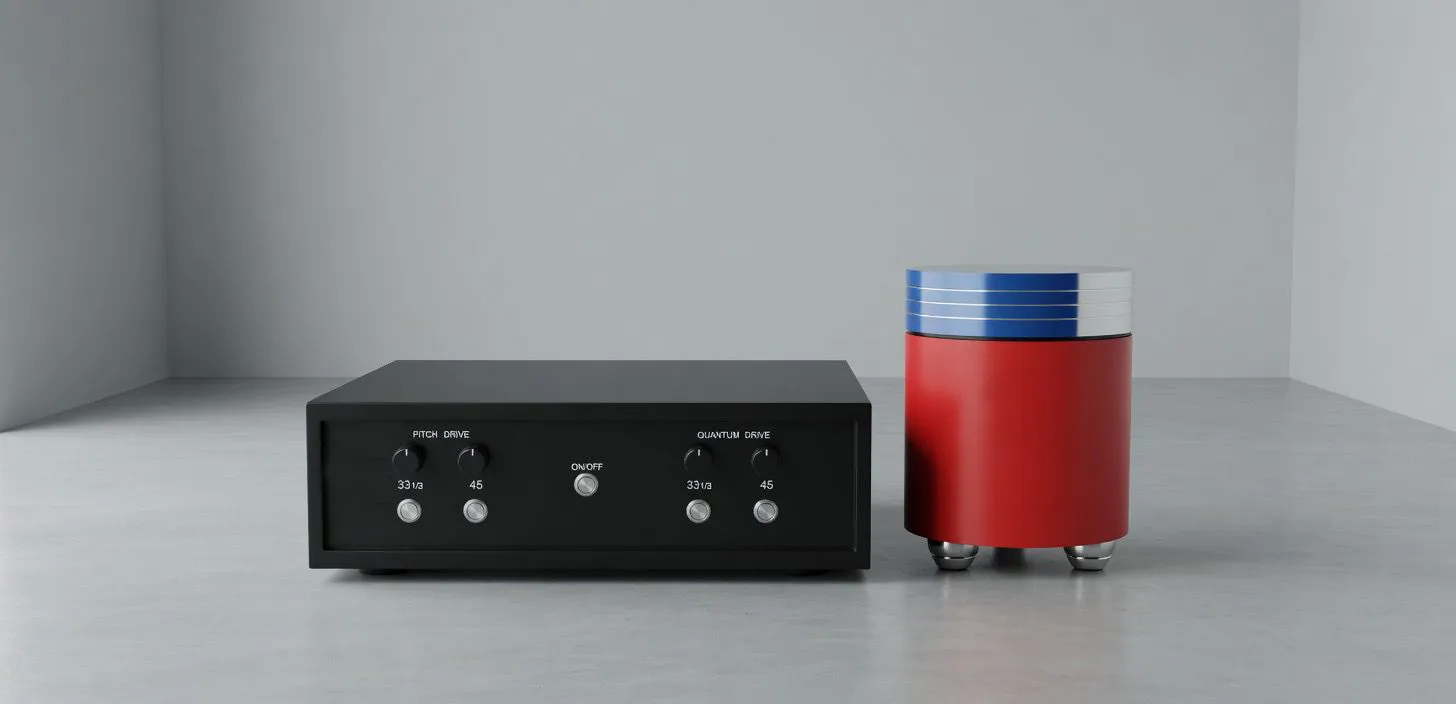
A full visible 6061 aluminum component set combining CNC machining, black baking paint, Ferrari red automotive paint, mirror polishing, and chrome plating.
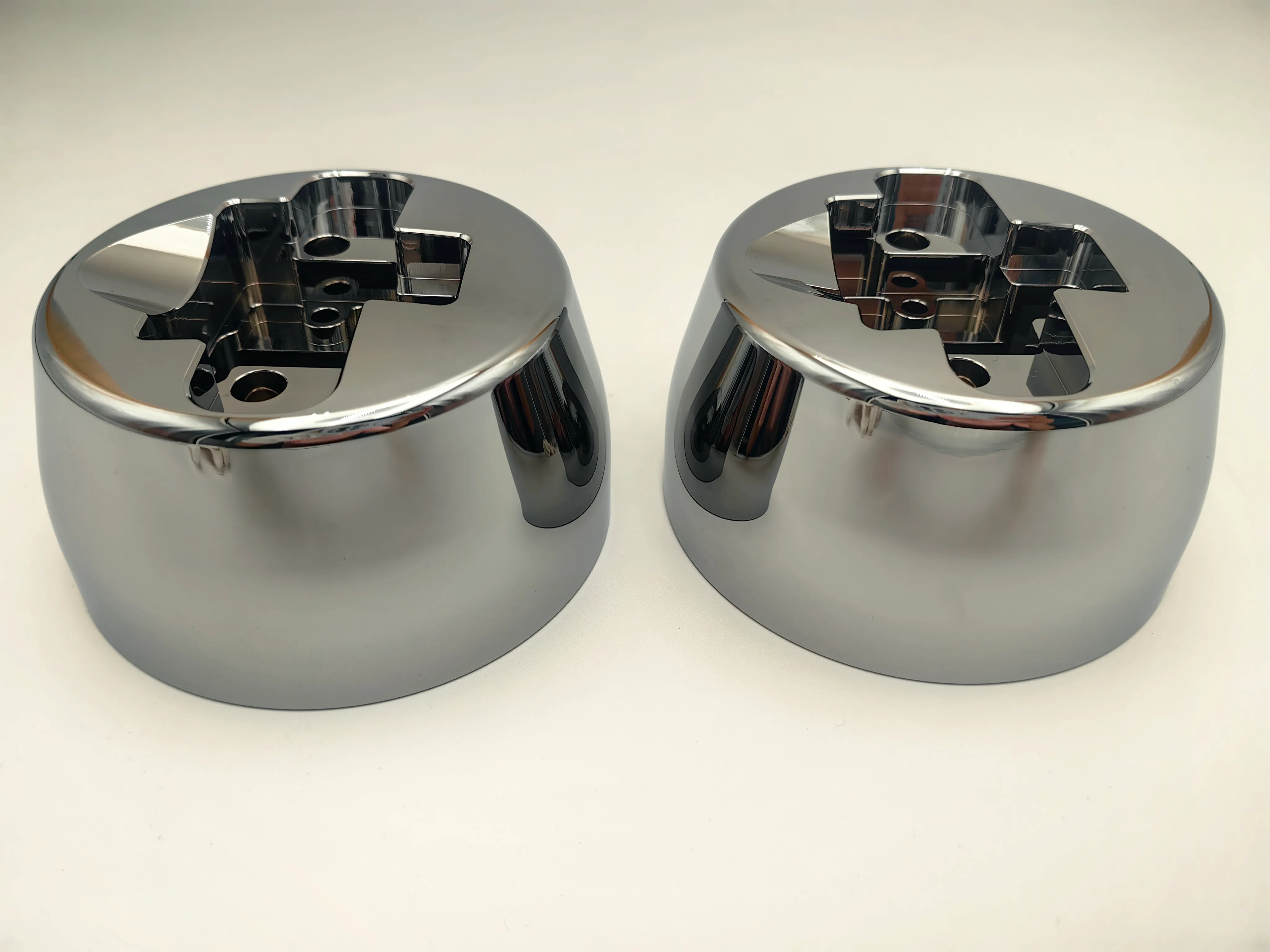
A photo-backed case showing appearance-critical 6061 aluminum machining for premium coffee equipment, with polished surfaces, chrome finishing, and functional internal geometry.
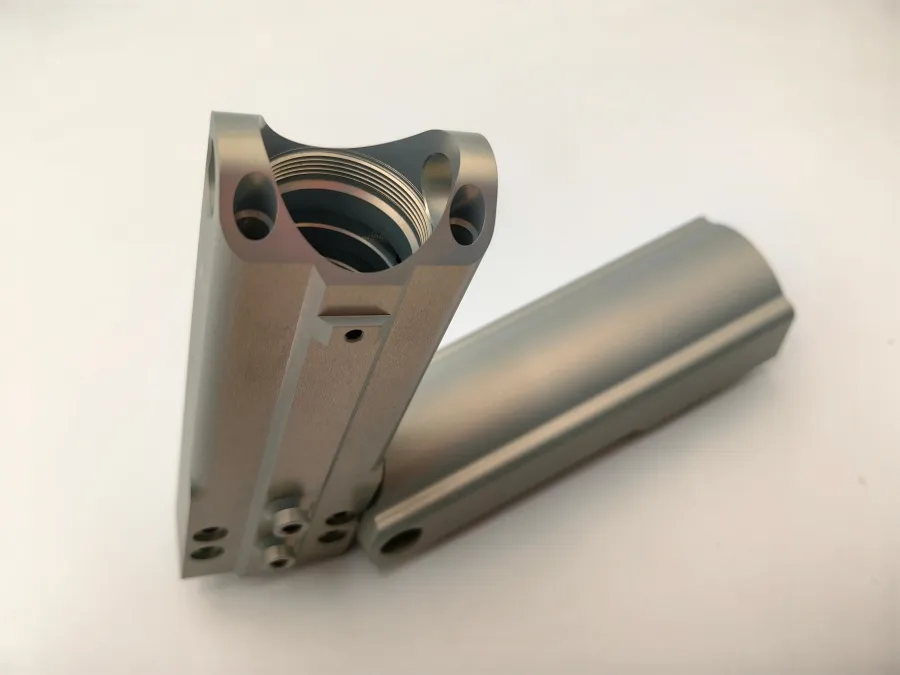
Since 2018, Huade has supported PEEK grinder parts, brass and SS316 brewing parts, and aluminum sheet metal housings from prototype to repeat production.
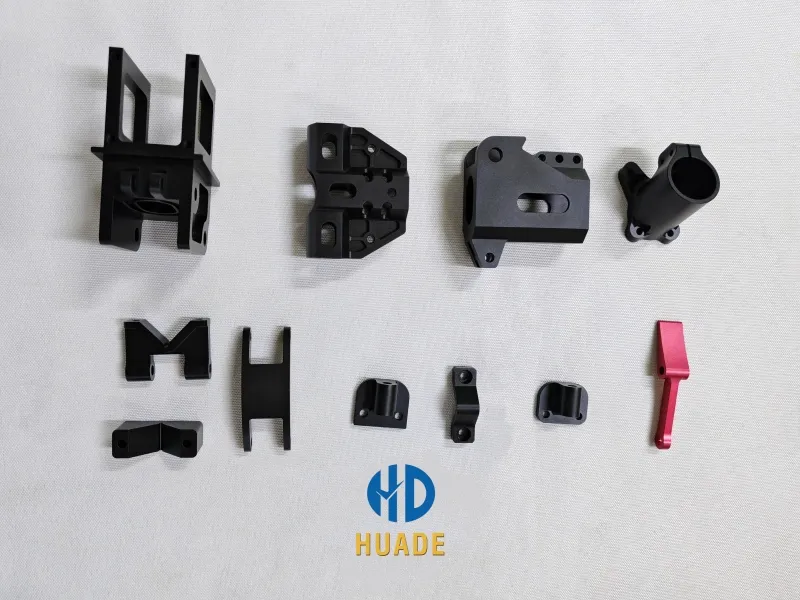
How Huade delivered 5 custom 7075 hollow drone fasteners in 7 days at +/-0.01 mm tolerance before a major drone exhibition.
Upload 3D CAD files, drawings, material requirements, target quantity, and inspection needs. Our engineers will review the automotive part machining scope and return a quote within 24 hours.